must-try food Austria
our top 5 traditional Austrian foods you have to try

schnitzel
breaded meat cutlet
What is it?
Schnitzel is a classic Austrian dish made of a thin, breaded, and fried cutlet. The most iconic version is the Wiener Schnitzel made with veal and considered Austria’s national dish. Many restaurants also offer pork (Schweineschnitzel) or chicken (Hühnerschnitzel) versions
What is in it?
The classic Wiener Schnitzel is made from veal, pounded thin and coated in flour, egg, and breadcrumbs, then fried in butter or oil. Other meats like pork or chicken are commonly used in variations.
Common sides include
Erdäpfelsalat (Austrian potato salad) or fries
Cranberry sauce
A slice of lemon
Common Variations of schnitzel include
Cordon Bleu, schnitzel filled with ham and cheese before breading and frying
Schnitzel mit Ei – schnitzel topped with a fried egg
Jägerschnitzel – served with a creamy mushroom sauce
Paprikaschnitzel – topped with a pepper-tomato sauce
Vegetarian versions made with cheese, celery root, or other vegetables are also available at some restaurants.
Where can I eat it?
Schnitzel is omnipresent in Austria, from fine dining establishments in Vienna to rustic restaurants in the Alps. For the most authentic experience, try a Wiener Schnitzel in a traditional Viennese restaurant.
Vegetarian versions available.
käsespätzle
cheesy pasta
What is it?
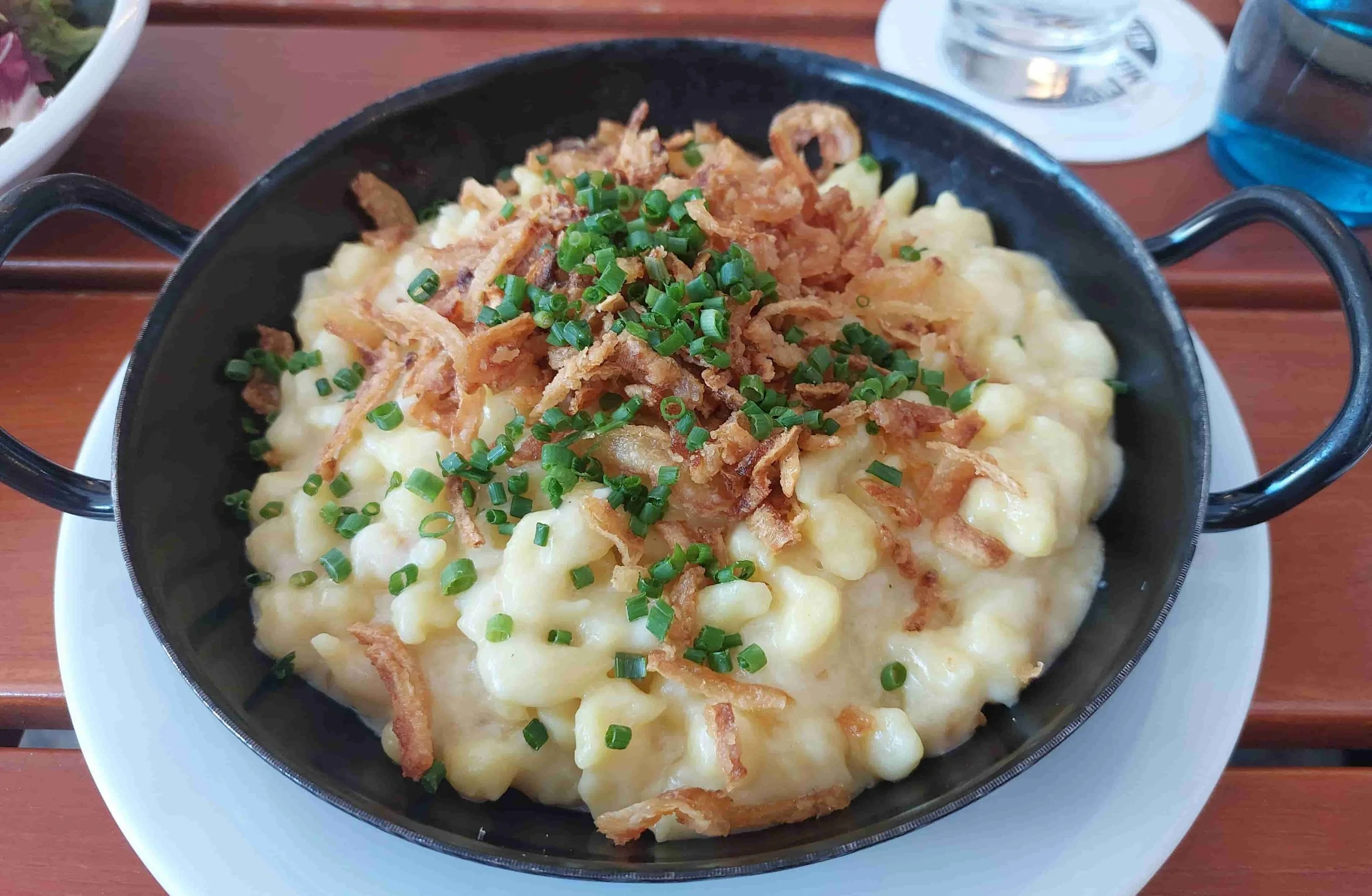
Käsespätzle, meaning “cheese spätzle” is Austria’s answer to mac and cheese, made with soft egg noodles and gooey melted cheese. Rich and satisfying, it’s a classic Alpine comfort food. It’s especially popular in Vorarlberg, Tyrol, and Salzburg, though variations exist throughout the Alps.
What is in it?
Spätzle, soft noodles made from flour, eggs, and milk with melted mountain cheese, such as Bergkäse, Rässkäse (a strong cheese from Vorarlberg), or Emmentaler, depending on the region. It’s topped with crispy fried onions and typically served with a simple green salad or potato salad on the side.
Where can I eat it?
You’ll find Käsespätzle in mountain huts (Almhütten) and traditional restaurants across Austria. It’s especially common in Vorarlberg and Tyrol, where local cheeses give it a stronger, more distinct flavour compared to some German versions.
Vegetarian.
knödel
Austrian dumplings
What is it?
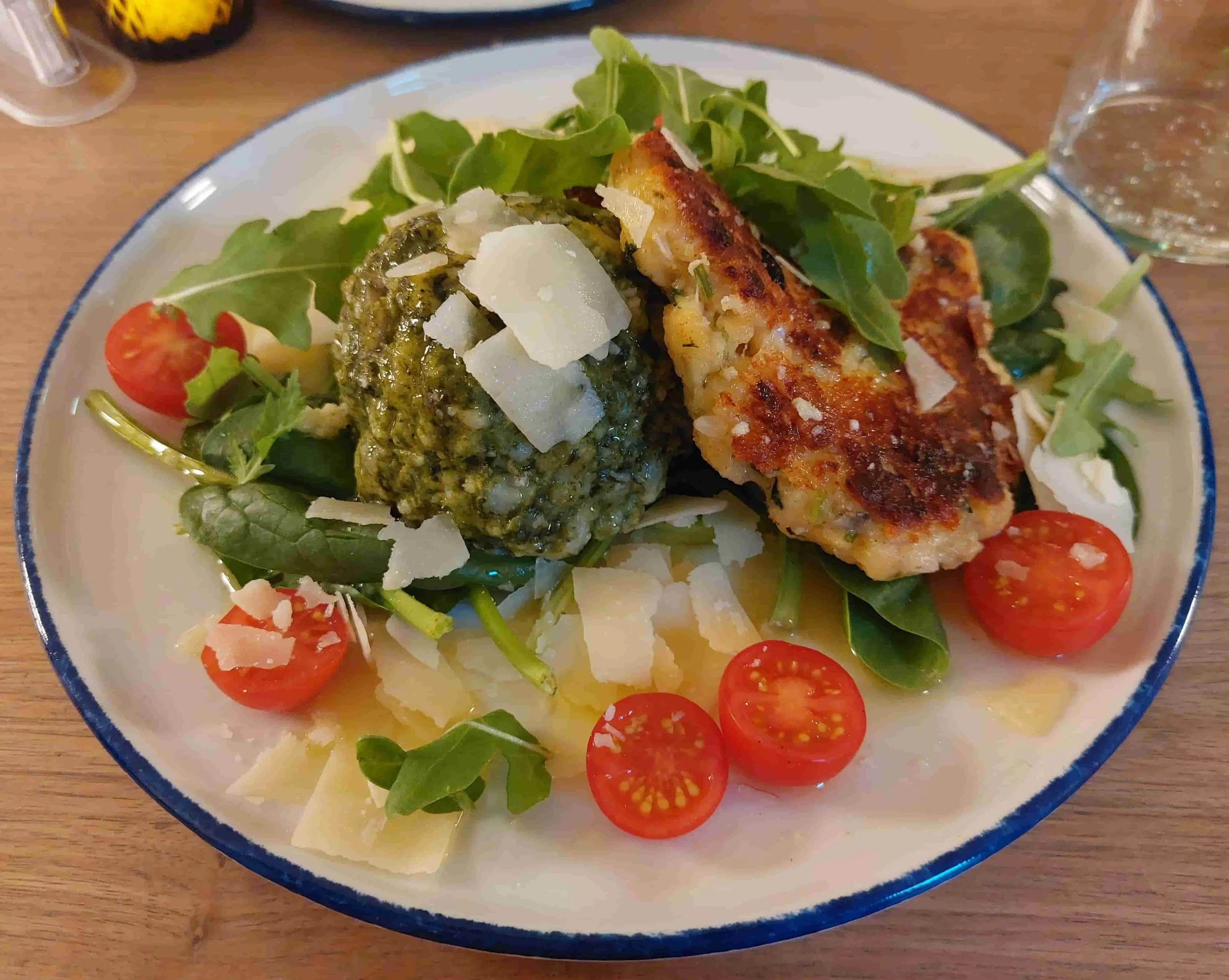
Knödel are an essential part of Austrian cuisine, found in nearly every region of the country. These round, delicious dumplings are made from potatoes, bread, flour, or other ingredients, and can be savoury or sweet. While often served as a side dish, Knödel can also be the main attraction, especially in Alpine regions. Austria shares this dumpling tradition with southern Germany.
What is in it?
There are many types of Austrian Knödel, with local variations across Tyrol, Salzburg, Styria, and Vienna. Common versions include:
Kartoffelknödel (Potato Dumplings): Made from mashed or grated potatoes, sometimes with flour or starch. Served with rich gravies or meat dishes.
Semmelknödel (Bread Dumplings): Made from chopped stale rolls (Semmeln) soaked in milk and mixed with eggs, onions, and parsley.
Spinatknödel (Spinach Dumplings): An Alpine speciality, especially in Tyrol. Spinach is combined with bread, eggs, and cheese, often served with melted butter and grated cheese.
Speckknödel (Bacon Dumplings): Dumplings filled with chopped bacon or Speck, typically served in broth or with sauerkraut.
Marillenknödel (Apricot Dumplings): A famous sweet version where whole apricots are wrapped in potato or curd dough, boiled, and coated in buttered breadcrumbs.
Where can I eat it?
You’ll find various types of Knödel in traditional restaurants throughout Austria, served either as a side or a main.
Vegetarian versions available.
kaiserschmarrn
shredded pancake
What is it?
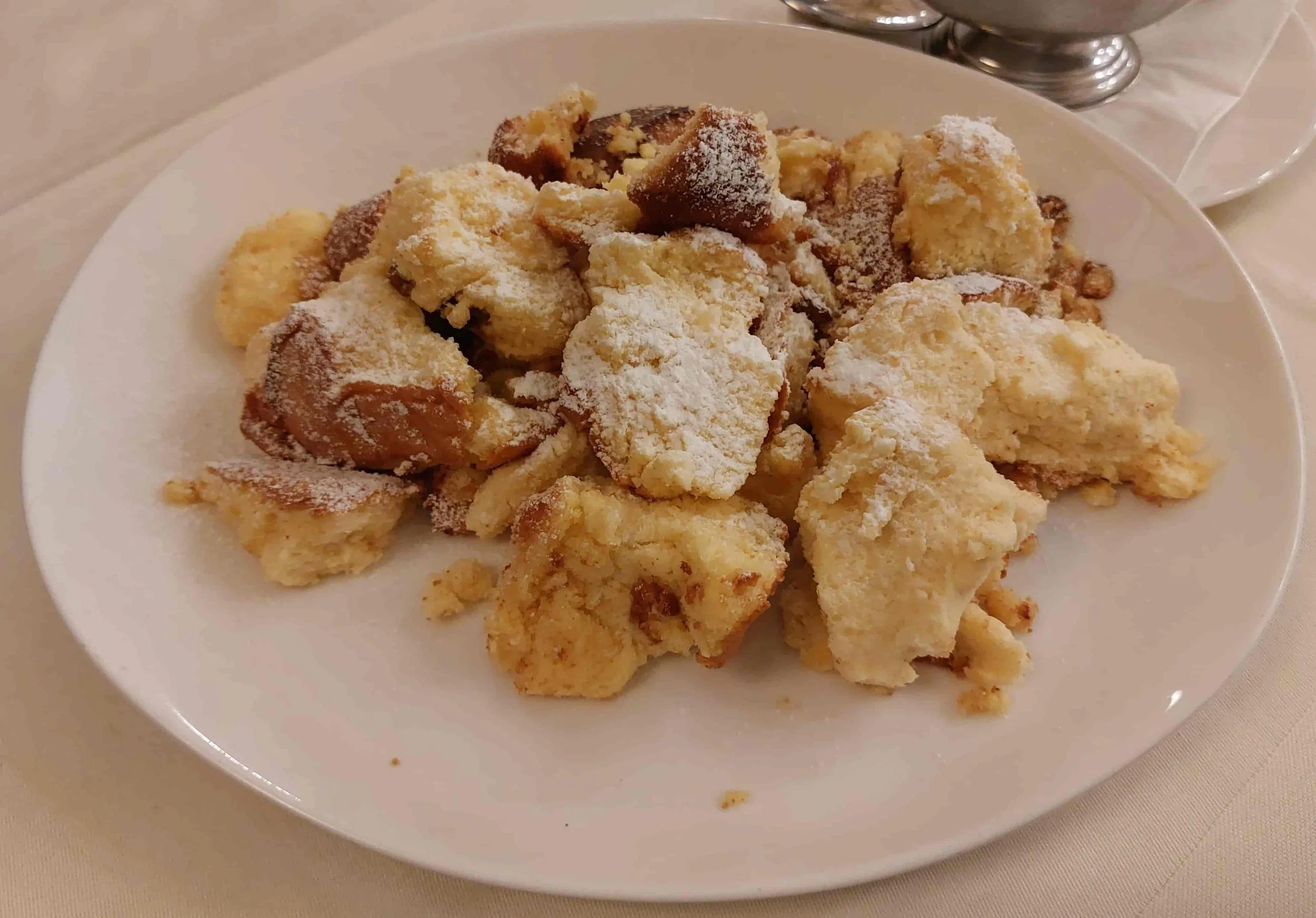
Kaiserschmarrn is a light, fluffy shredded pancake dessert. Famously a favourite of Emperor Franz Joseph I, the name literally means “Emperor’s mess” (Kaiser = emperor, Schmarrn = mess or scramble).Though technically a dessert, it’s filling enough to be enjoyed as a main course.
What is in it?
The batter is made from eggs, milk, flour, and sugar. It often includes raisins and vanilla, cooked in butter and lightly caramelised. It's served dusted with powdered sugar, usually accompanied by sweet apple sauce or plum compote.
Where can I eat it?
Kaiserschmarrn is common throughout Austria, especially in Viennese restaurants and cafés.
Vegetarian.
tiroler gröstl
Tyrolean Pan‑Fry
What is it?
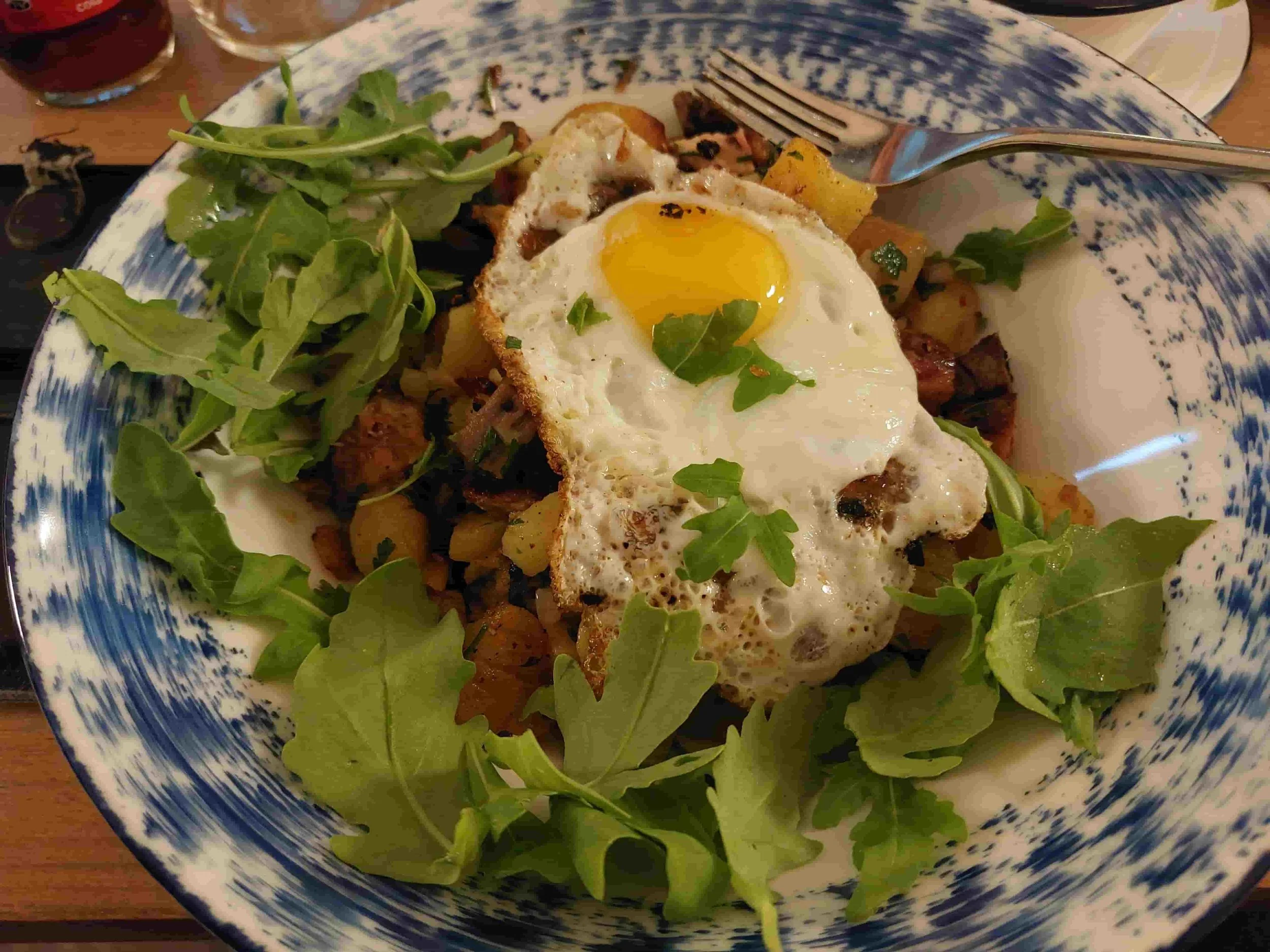
Tiroler Gröstl is a classic rustic comfort dish from the Alpine region of Tyrol in Austria. Traditionally a way to use up leftovers, it’s made by pan frying boiled potatoes, onions, and meat, often roast pork or beef and bacon, in butter or lard. It’s typically topped with a fried egg and garnished with parsley. The dish dates back to using Sunday roast leftovers as a filling Monday meal.
What is in it?
Ingredients vary, but traditional versions include, cooked, cooled potatoes (often from the day before), sliced or diced, onions, leftover roast pork or beef, bacon or speck, a fried egg on top. It’s often served with a side salad.
Where can I eat it?
Tiroler Gröstl is commonly found throughout Tyrol and other Alpine regions in Austria. It’s especially popular at mountain huts (Almhütten) and traditional restaurants. Outside the Alpine regions, such as in Vienna, it’s much less common and usually only offered on menus highlighting Tyrolean cuisine.
Traditionally gluten free.
Ingredients listed reflect common or typical components of this dish as served in restaurants or street‑food vendors. Variations by region, season, or vendor are common. This information is provided for general reference only. If you have dietary restrictions or allergies, please verify ingredient details independently. We assume no liability for accuracy or outcomes.
