all the foods - Uzbekistan
Discover all 13 traditional Uzbek dishes we tried
Here you will find a list of all the traditional cuisine we tried in Uzbekistan.
Click to jump to one of the sections:
noodles & dumplings
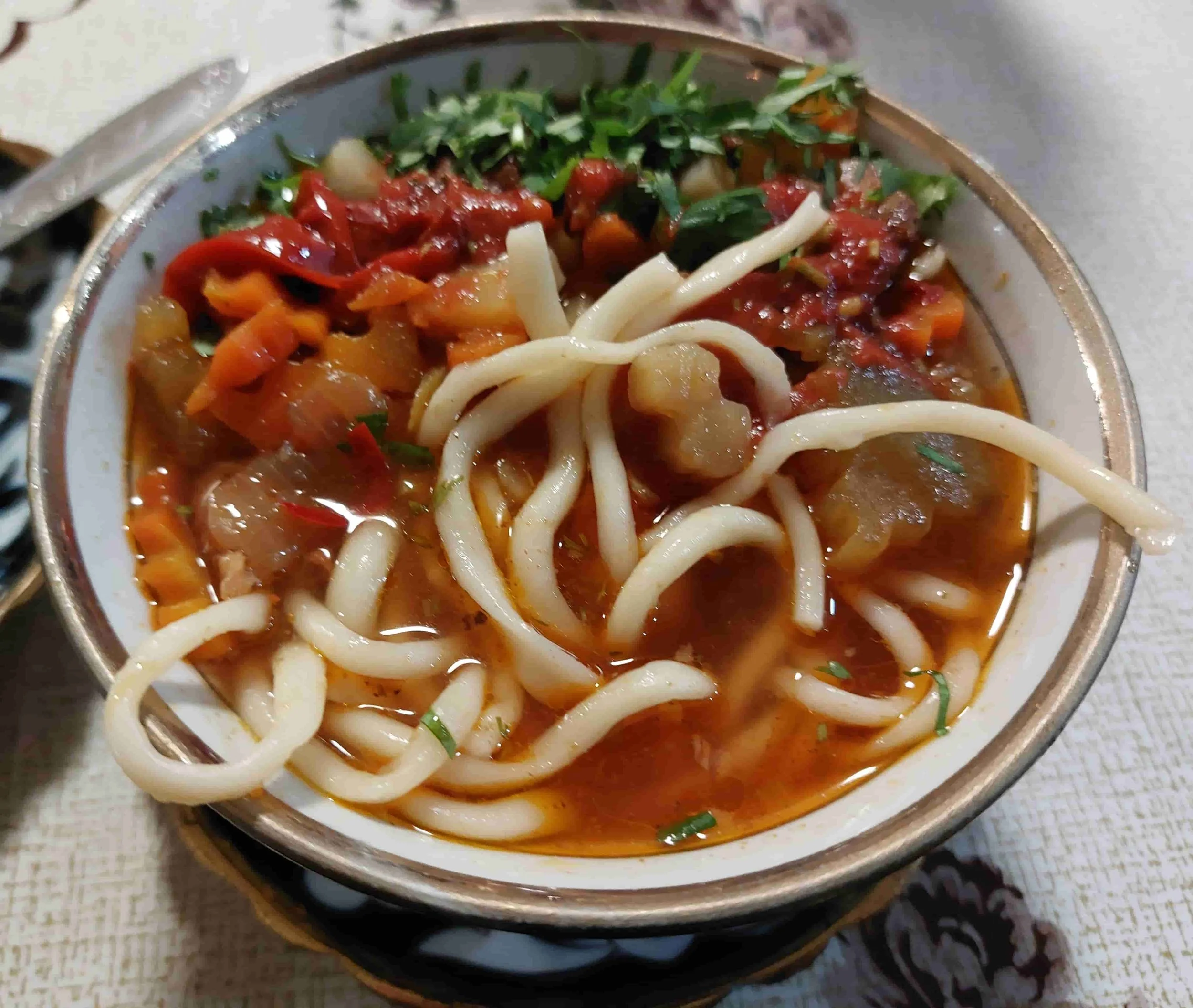
lagman
hand pulled noodles
What is it?
Lagman is a filling soup of Uyghur origin from Xinjiang, China, featuring meat, vegetables, and hand-pulled noodles. It’s popular across Central Asia, especially in Kazakhstan and Kyrgyzstan, where it’s considered a national dish.
What is in it?
There’s no fixed recipe, but it usually includes beef or lamb. Common vegetables are carrots, potatoes, red peppers, tomatoes, aubergine, and onions. The dish features hand-pulled noodles in a rich broth, typically flavoured with garlic and cumin.
Where can I eat it?
Lagman is one of the most popular dishes in Uzbekistan and can be found on the menu of nearly every traditional restaurant.
Dairy free.
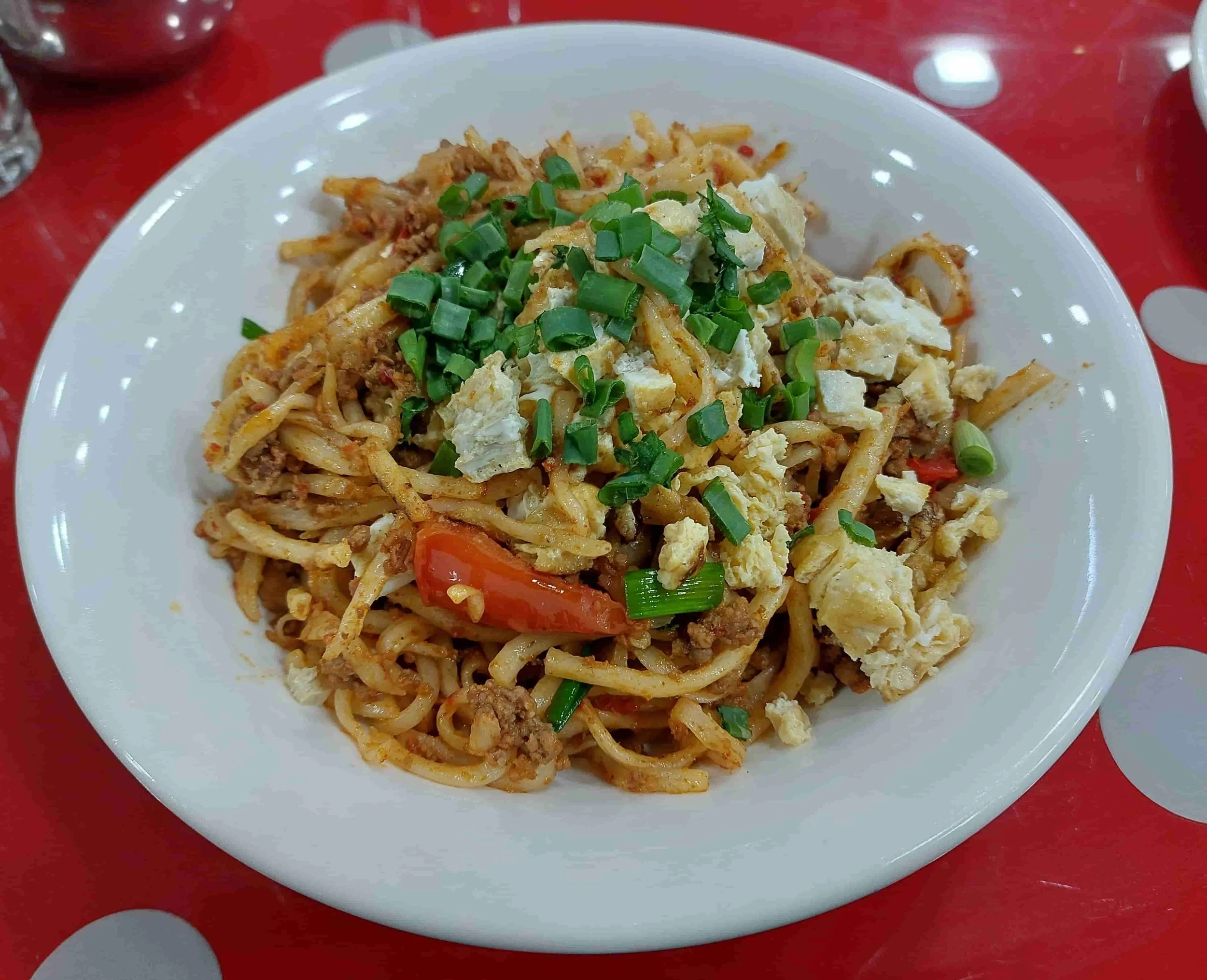
fried lagman
fried noodles
What is it?
Fried Lagman is a variation of the traditional lagman soup, but instead of being served in broth, it’s a dry, fried dish. Interestingly, it had a flavour profile similar to spaghetti Bolognese, it can be topped with chopped omelette or a fried egg.
What is in it?
Pulled noodles stir-fried with minced beef, spring onions, and vegetables such as red peppers. The dish usually includes a tomato-based sauce with garlic and various herbs and spices. A chopped omelette is typically added as a finishing touch.
Where can I eat it?
While not as common as the soup version, fried lagman is still widely available. You should be able to find it on the menus of most traditional restaurants throughout the country.
Dairy free.
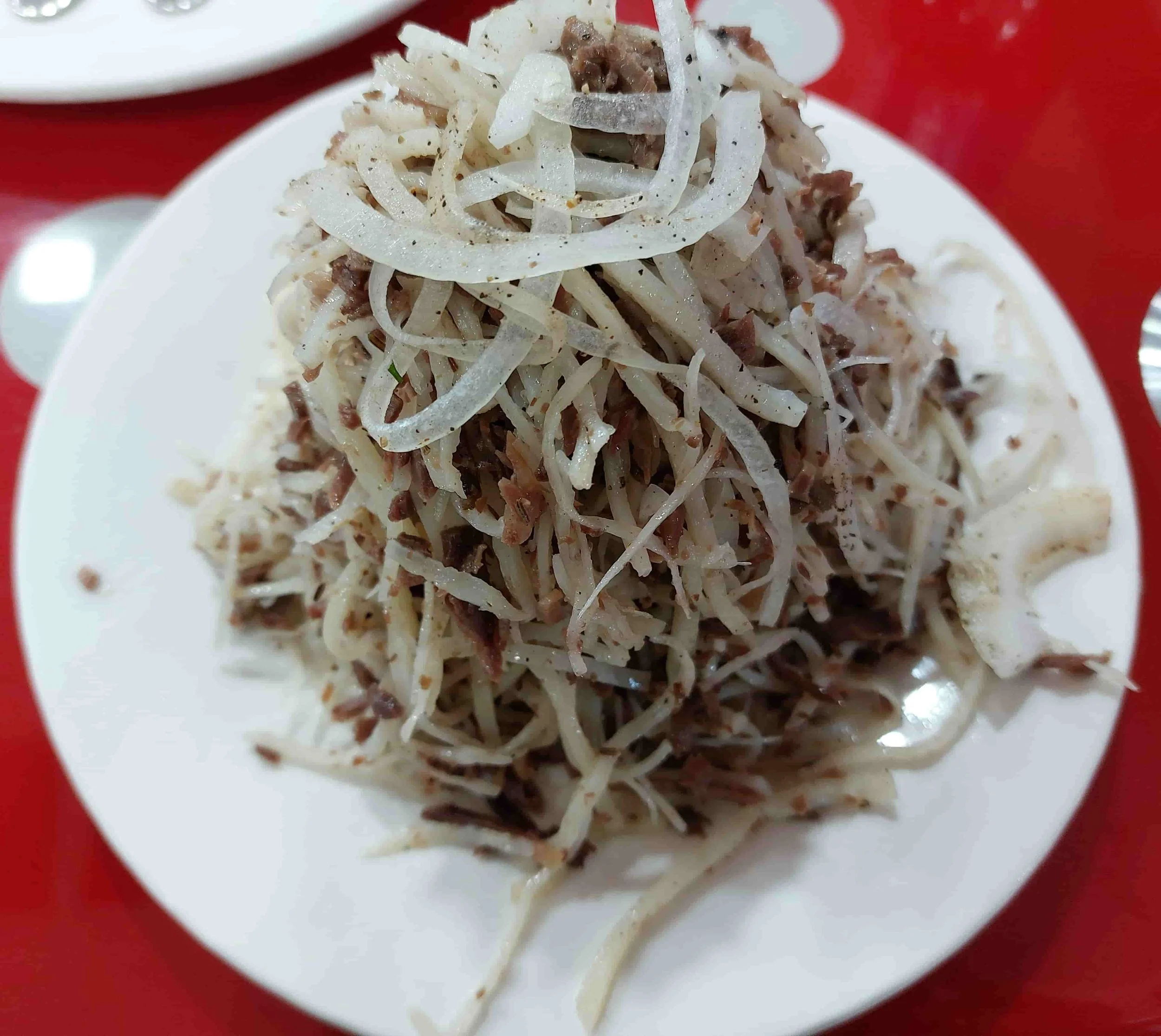
norin
cold noodles
What is it?
Norin is a traditional Uzbek dish made with very thin hand-cut noodles served cold with finely shredded horse meat sausage. It’s particularly popular in Tashkent and is considered a delicacy. Some modern variations may be served warm or accompanied by a light broth, but the authentic version is eaten cold.
What is in it?
The dish traditionally uses shredded kazy (horse meat sausage), though beef or lamb versions are also found. The noodles are made from flour, egg, salt, and water, and the dish is typically garnished with sliced onions and a touch of black pepper or oil for flavour.
Where can I eat it?
Norin is relatively rare and most commonly found in Tashkent. It can be tried at Anor Restaurant, which serves a wide range of authentic Uzbek dishes, including this local speciality.
Dairy free.
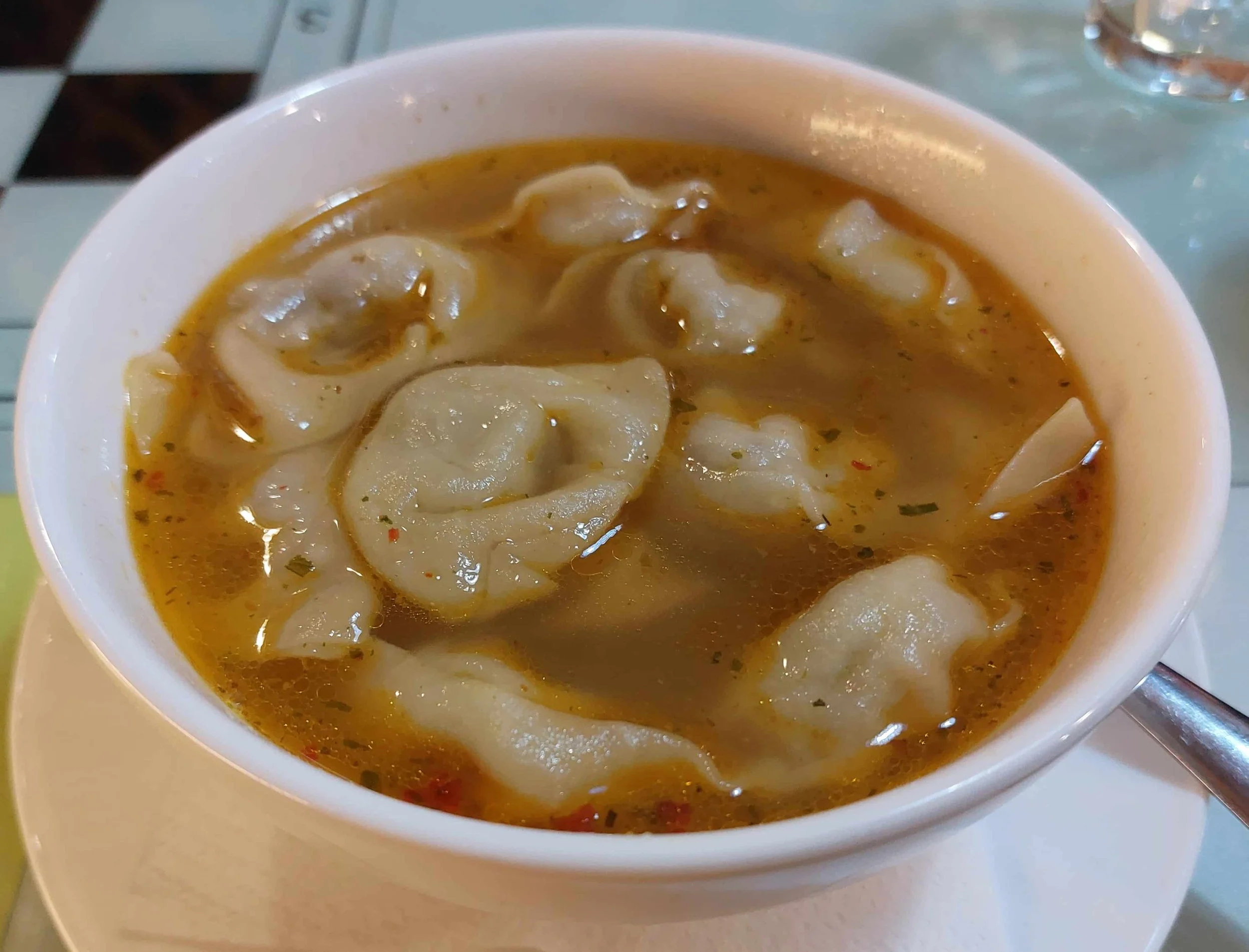
chuchvara
small dumplings in broth
What is it?
Chuchvara are small dumplings similar to manti, but typically served in a flavourful broth, making bread a perfect accompaniment to soak up the delicious liquid.
What is in it?
These dumplings are filled with minced meat and onion, often sprinkled with dill and served with sour cream. They are mostly served in a clear broth, almost like a soup, though a fried version known as kovurma chuchvara also exists.
Where can I eat it?
While chuchvara isn’t found in every traditional restaurant, you’ll often see it on menus throughout Uzbekistan.
Dairy free.

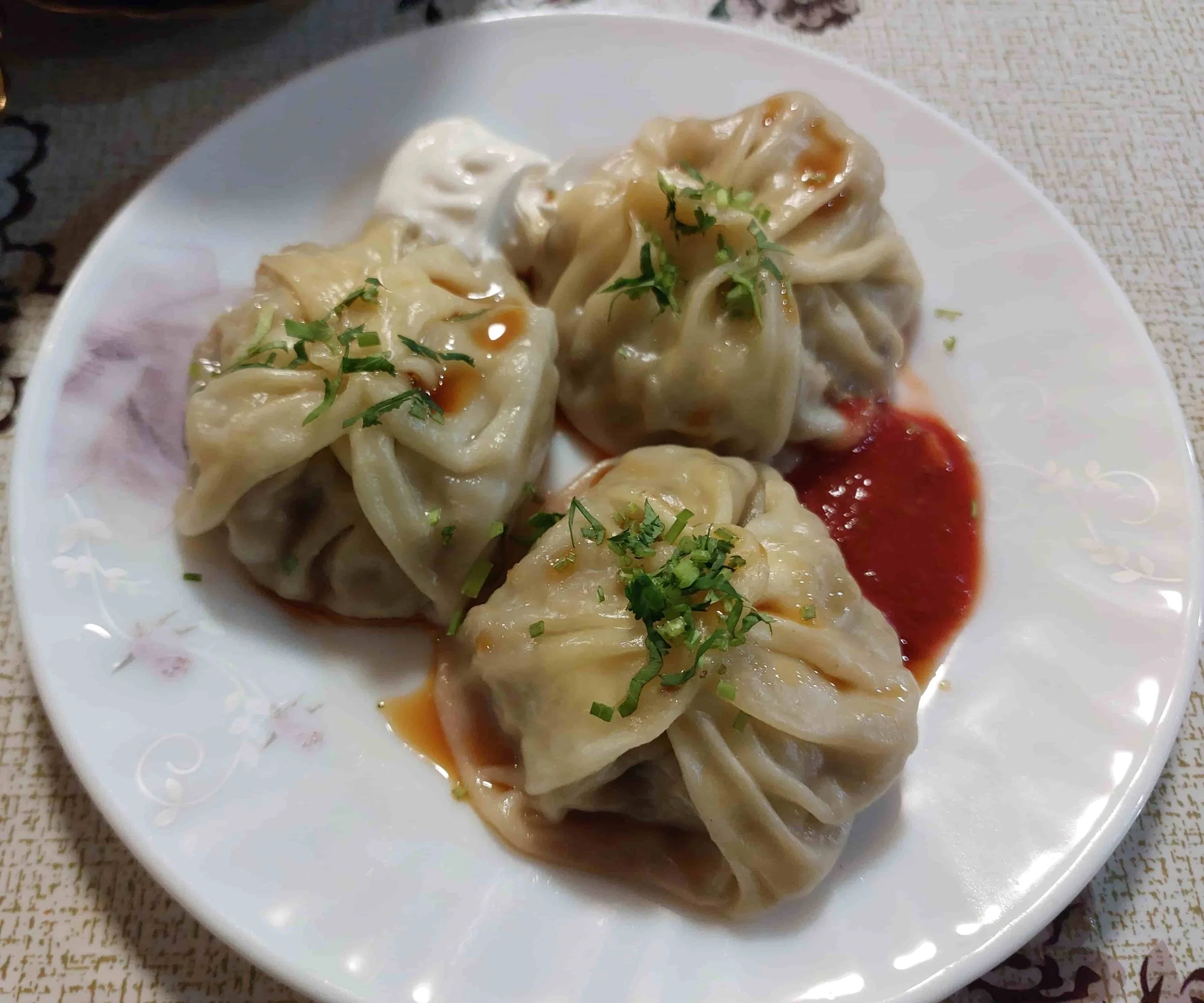
manti
large steamed dumplings
What is it?
Manti are large steamed dumplings, similar to momos or gyoza, popular throughout Central Asia. Soft dough parcels are filled with a juicy mixture, then steamed until tender and served hot. In Uzbekistan, they’re traditionally eaten by hand and served with a dipping sauce.
What is in it?
The most common filling is minced meat (usually beef or lamb) with onion, but vegetarian versions featuring potato or pumpkin are also available. They’re typically served with sour cream and a vinegar- and chili-based dipping sauce.
Where can I eat it?
Manti are one of the most popular dishes in Uzbekistan, and you’ll find them on nearly every traditional restaurant menu.
Vegetarian versions available. Dairy free without sour cream.
soups & stews
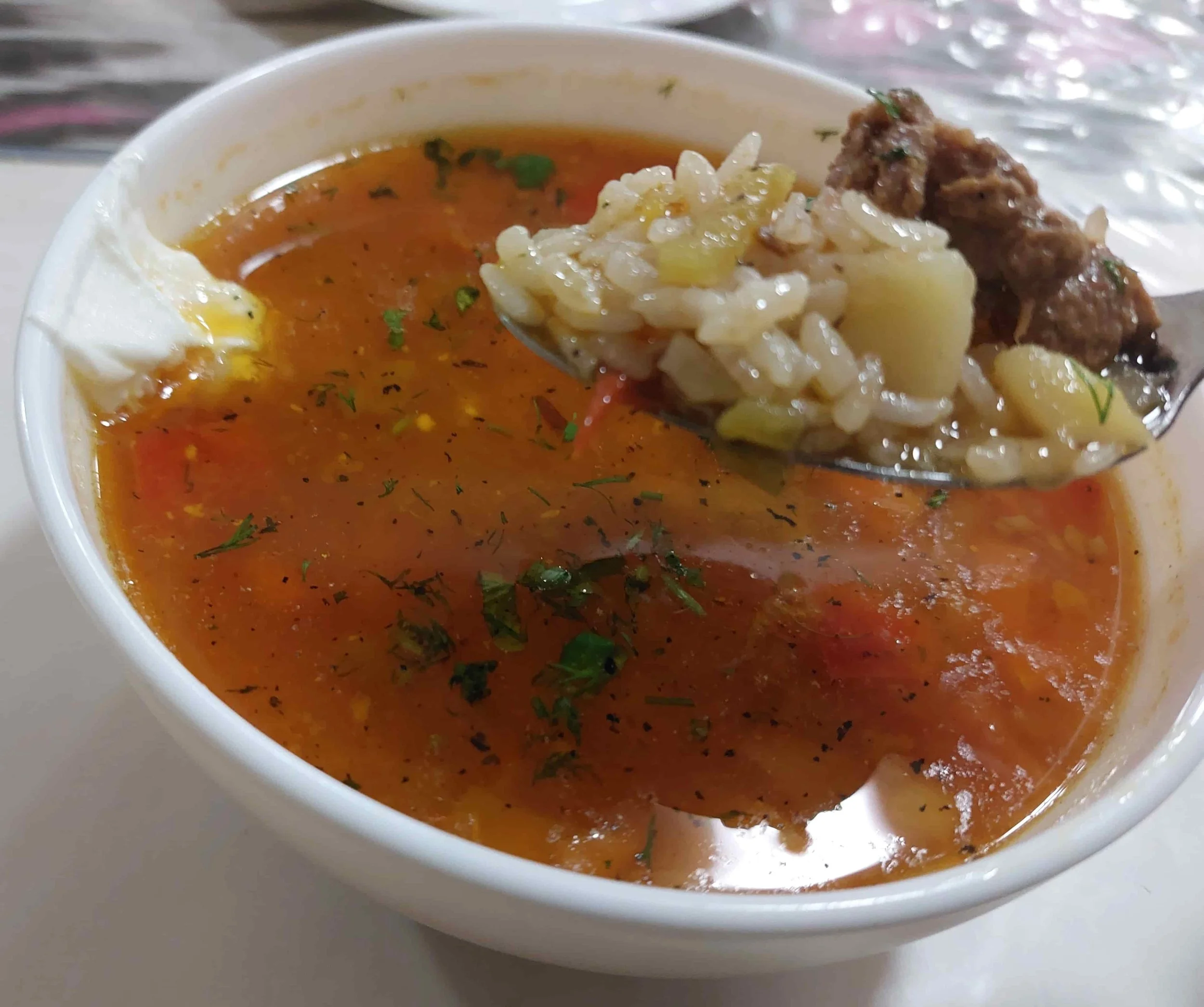
mastava
rice soup
What is it?
Mastava is a traditional Uzbek rice soup with meat and vegetables. It’s sometimes called a “plov soup” because it begins by frying meat and vegetables, then adding water and rice to create a rich, warming broth. While traditionally made with lamb or beef, some modern vegetarian versions also exist.
What is in it?
The soup typically includes rice, lamb (or beef), carrots, onions, and potatoes. Additional vegetables like tomatoes or peppers may also be added. It is seasoned with cumin and often garnished with fresh coriander. Mastava is usually served alongside bread.
Where can I eat it?
You’ll find it on the menus of some traditional restaurants in Uzbekistan, though it’s not very common. We spotted it a few times during our trip, and tried it at Old Bukhara restaurant (unsurprisingly in bukhara) so keep an eye out!
Dairy and gluten free.
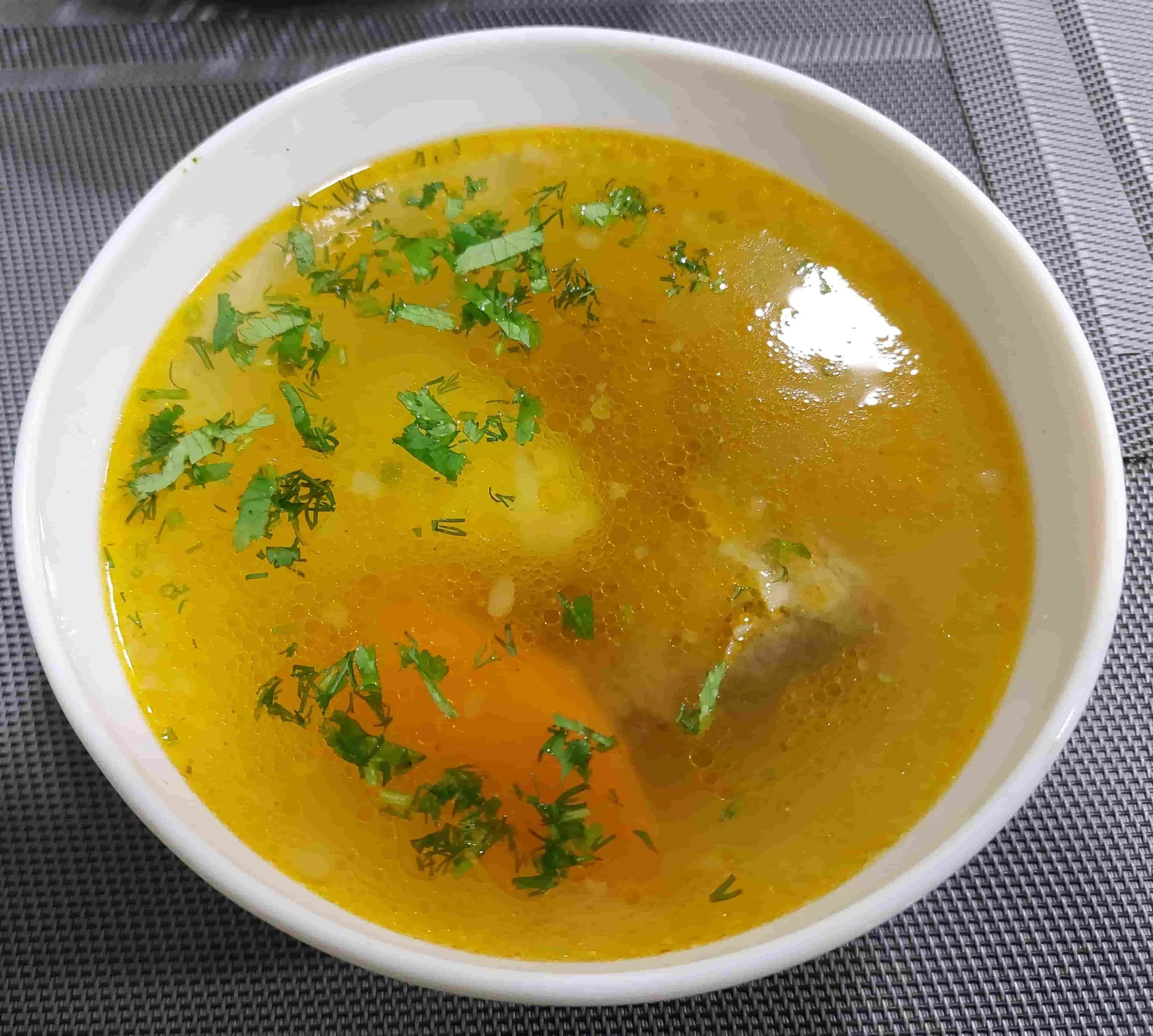
shurpa
meat vegetable soup
What is it?
Shurpa is a rustic meat and vegetable soup, popular in Uzbekistan and enjoyed across Central Asia. Often served as a starter or main course.
What is in it?
There are many variations of shurpa, but the classic version features a large chunk of lamb in a fatty broth, with chunks of potato and carrot, garnished with coriander, dill, or parsley. Variations may use beef or chicken, and there’s even a version with meatballs. Additional vegetables such as onions, tomatoes, or peppers are often included. Typically served with fresh Uzbek bread
Where can I eat it?
Shurpa is a staple in Uzbekistan, easily found on nearly every traditional menu throughout the country.
Dairy and gluten free.
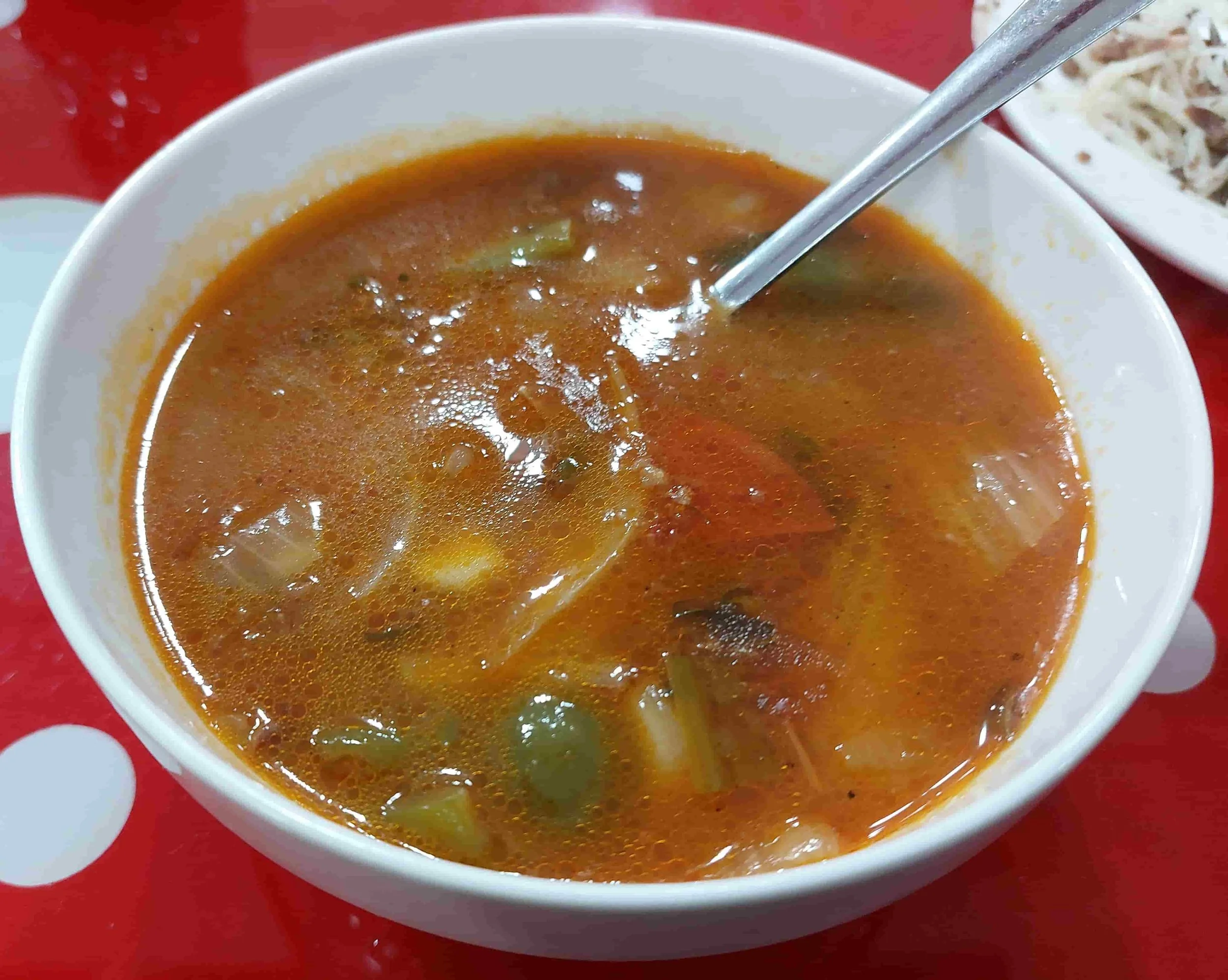
mampar
boiled dough soup
What is it?
Mampar is a soup with roots in Uyghur cuisine from Xinjiang, China. Similar to lagman but with small pieces of boiled dough instead of noodles, it features a rich broth with meat and vegetables. The flavourful soup was a bit too onion-heavy for me, but is well-balanced with spices.
What is in it?
Mampar typically includes lamb, small pieces of dough, plenty of onions, celery, peppers, and tomatoes. The broth is seasoned with tomato paste, garlic, cumin, and coriander, creating a robust flavour. As with many Uzbek dishes, it’s commonly served with bread on the side.
Where can I eat it?
Mampar is relatively rare to find on menus. During our travels, we only came across it once, at Anor Restaurant in Tashkent, which offers a wide selection of Uzbek dishes.
Dairy free.
grilled & stuffed dishes
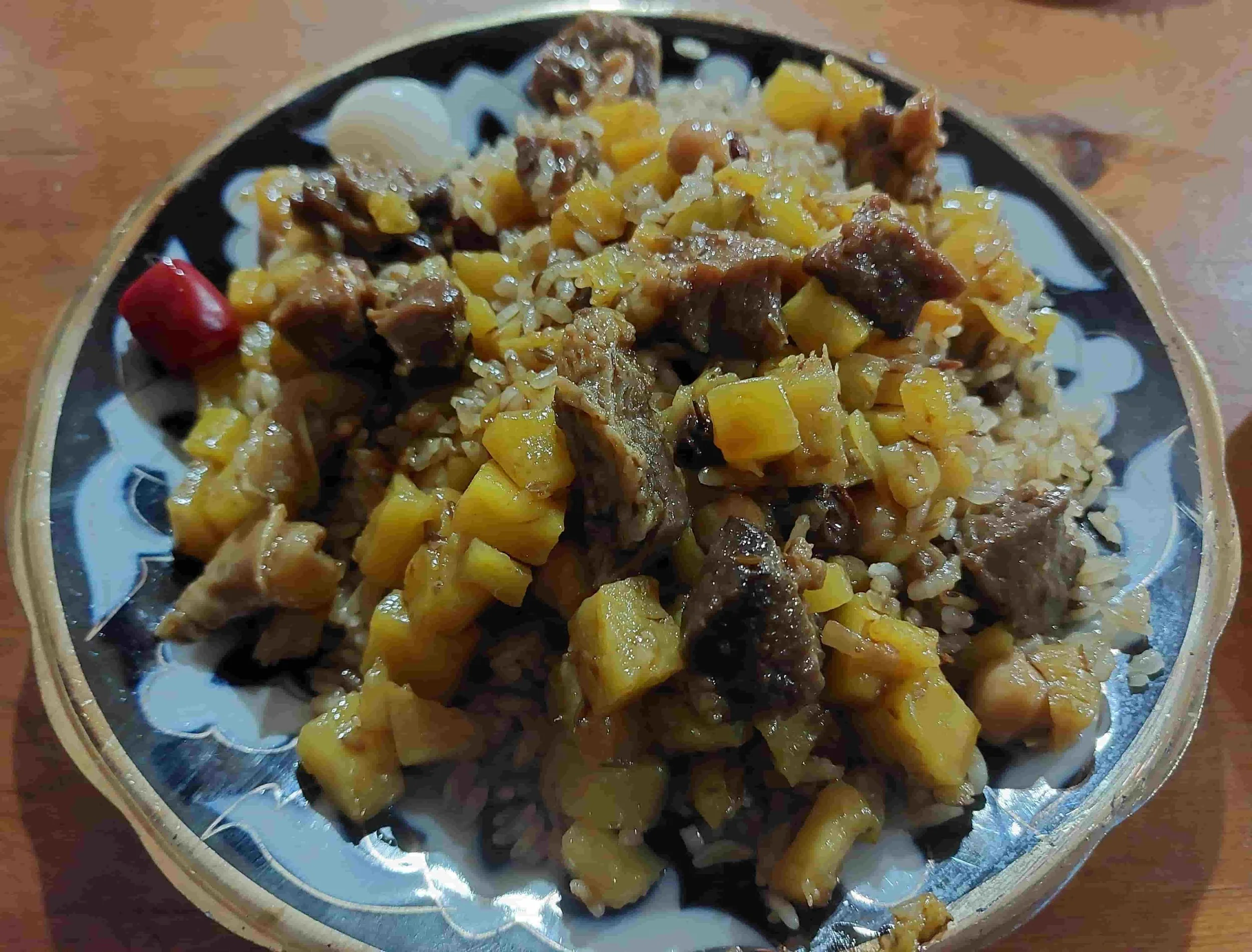
plov
Uzbek rice pilaf
What is it?
Plov, also known as osh, is the national dish of Uzbekistan and a point of great pride across the country. This pilaf of rice, meat, vegetables, and spices is traditionally cooked in a large cast-iron pot called a kazan. Almost every region and city has its own variation, with subtle differences in flavour and ingredients. It was probably my go-to dish while travelling in Uzbekistan, and it’s easy to see why it holds such a central place in the culture.
What is in it?
The main ingredients are rice and meat, usually lamb or beef, cooked with carrots, onions, oil, and a generous amount of cumin. Whole garlic bulbs are often added for extra flavour, and some versions include chickpeas or raisins for richness. In a few regional or modern variations you might also find turmeric, quail eggs, or even beans, though these are less traditional.
Where can I eat it?
As Uzbekistan’s national dish, plov is widely available in almost every restaurant. It’s also a staple in homes and often prepared for special occasions. If you are in Bukhara, be sure to check out a restaurant simply called “The Plov.” It’s a little outside the old town, away from the tourist sites, but the plov, as expected from the name is excellent.
Dairy free.
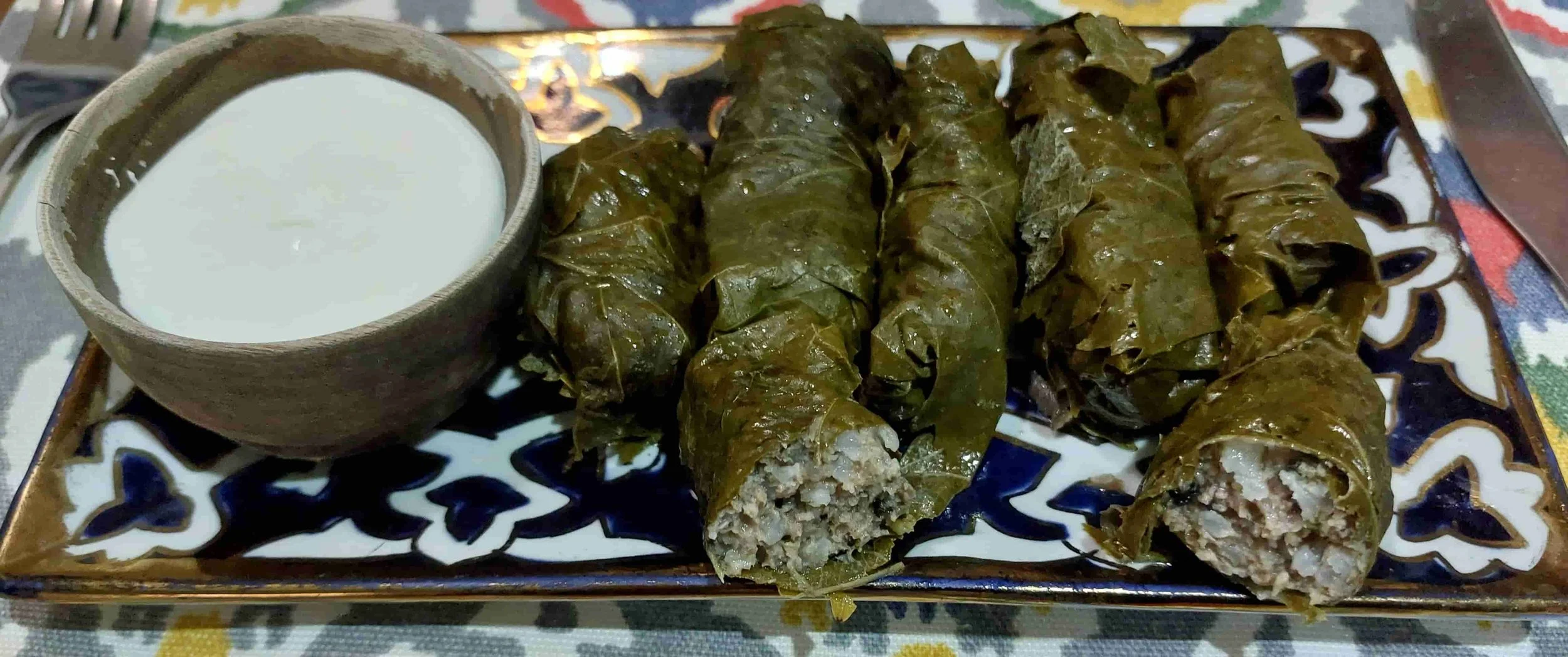
dolma
stuffed grape leaves
What is it?
Dolma consists of grape leaves stuffed with a savoury filling of meat, rice, and spices. Of Turkish origin, this dish is popular across Central Asia, the Balkans, and Eastern Europe, where cabbage leaves are sometimes used instead of grape leaves.
What is in it?
Grape leaves are wrapped around a filling of meat (usually lamb or beef) and rice, often seasoned with coriander. Additional ingredients like parsley, onions, or tomatoes can also be included. Dolma is typically served with sour cream for dipping, though yogurt-based sauces are common in some Uzbek restaurants.
Where can I eat it?
While not as common as some other dishes, dolma can be found on the menus of traditional restaurants with a broader selection, such as Old Bukhara Restaurant.
Dairy and gluten free.
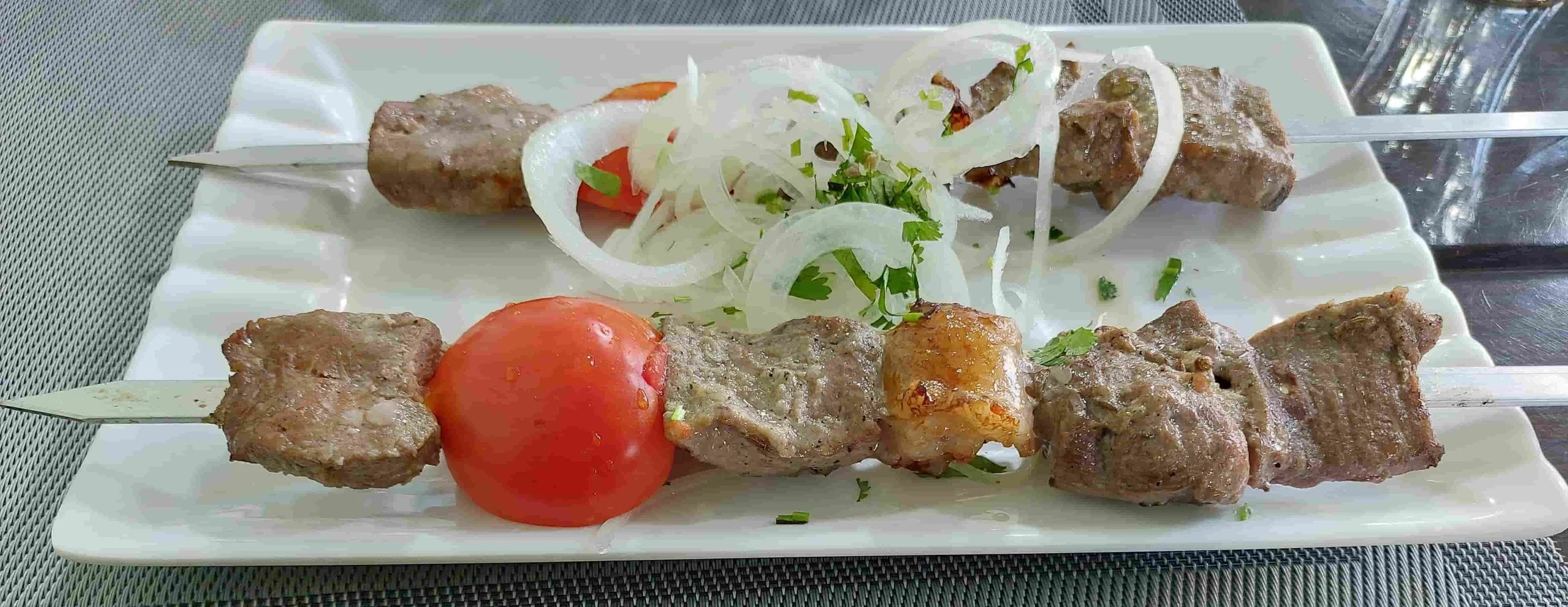
shashlik
grilled meat skewers
What is it?
Shashlik is the Uzbek version of shish kebab, popular throughout Central Asia and beyond. It consists of marinated chunks of meat grilled on a skewer, a dish that many cultures around the world have their own version of.
What is in it?
Traditionally made with lamb, though beef and chicken versions are also common. The marinade varies by chef, with no fixed recipe. Sometimes, pieces of fat are added for extra flavour, along with mushrooms or vegetables such as tomatoes. It’s often served with a simple salad or a generous portion of chopped onions.
Where can I eat it?
One of the five staple Uzbek dishes, alongside plov, manti, lagman, and shurpa, shashlik is widely available in nearly every traditional restaurant across Uzbekistan.
Dairy and gluten free.
breads & pastries
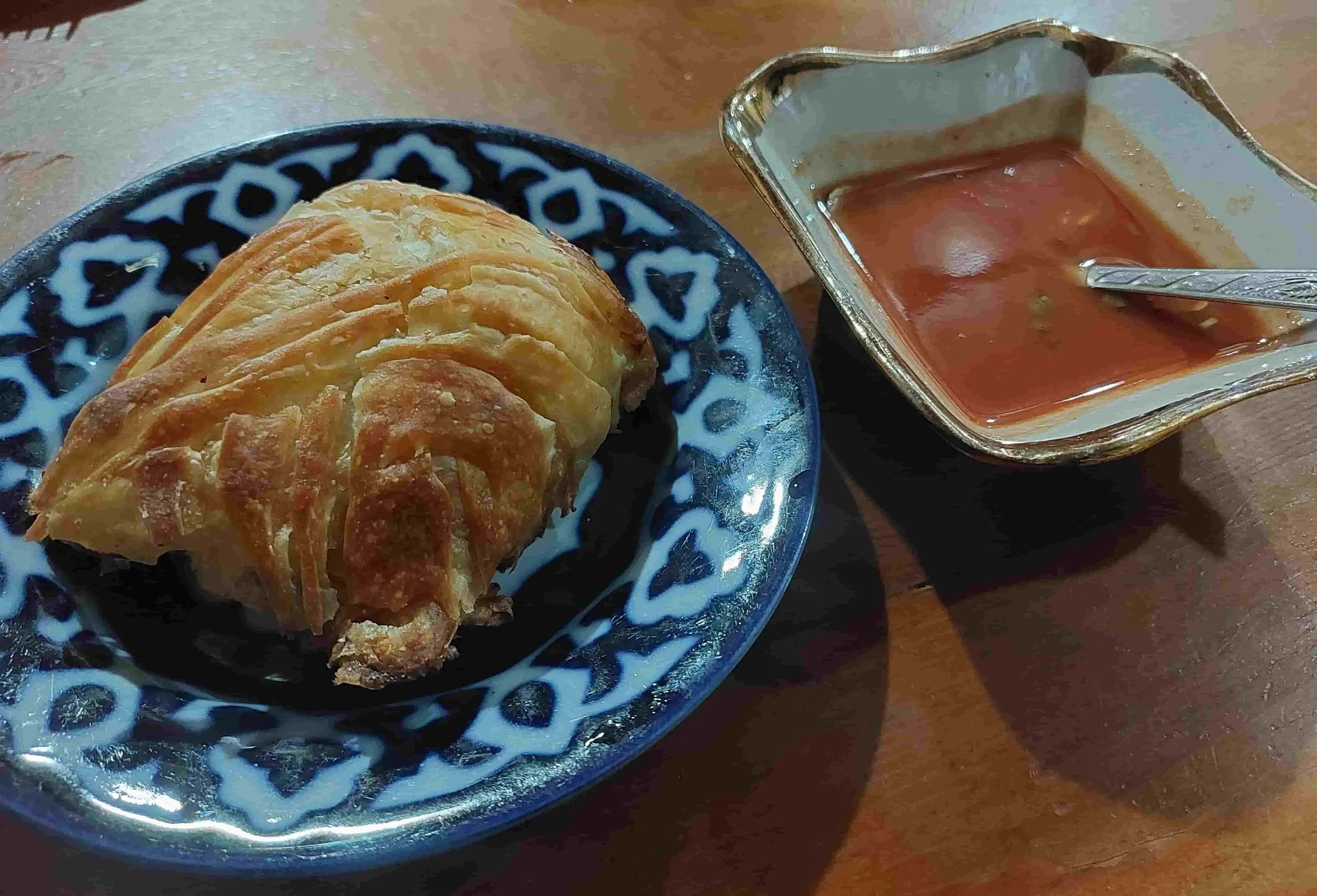
samsa
baked meat pastry
What is it?
Samsa is a popular Uzbek pastry, enjoyed across Central Asia. Although its name comes from samosa, it is quite different from the famous Indian snack. Rather than being deep fried, samsa is baked in a tandoor or oven until the pastry turns golden and flaky, encasing a moist, savoury filling.
What is in it?
Traditionally made with puff or layered dough, samsa is most often filled with minced meat (commonly lamb or beef) and onions, though variations with potato or pumpkin are also popular.
Where can I eat it?
You can find samsa almost everywhere in Uzbekistan, from street stalls and restaurants to bakeries. It’s especially popular as a quick roadside snack, best eaten hot and fresh.
Vegetarian versions available; usually dairy free.
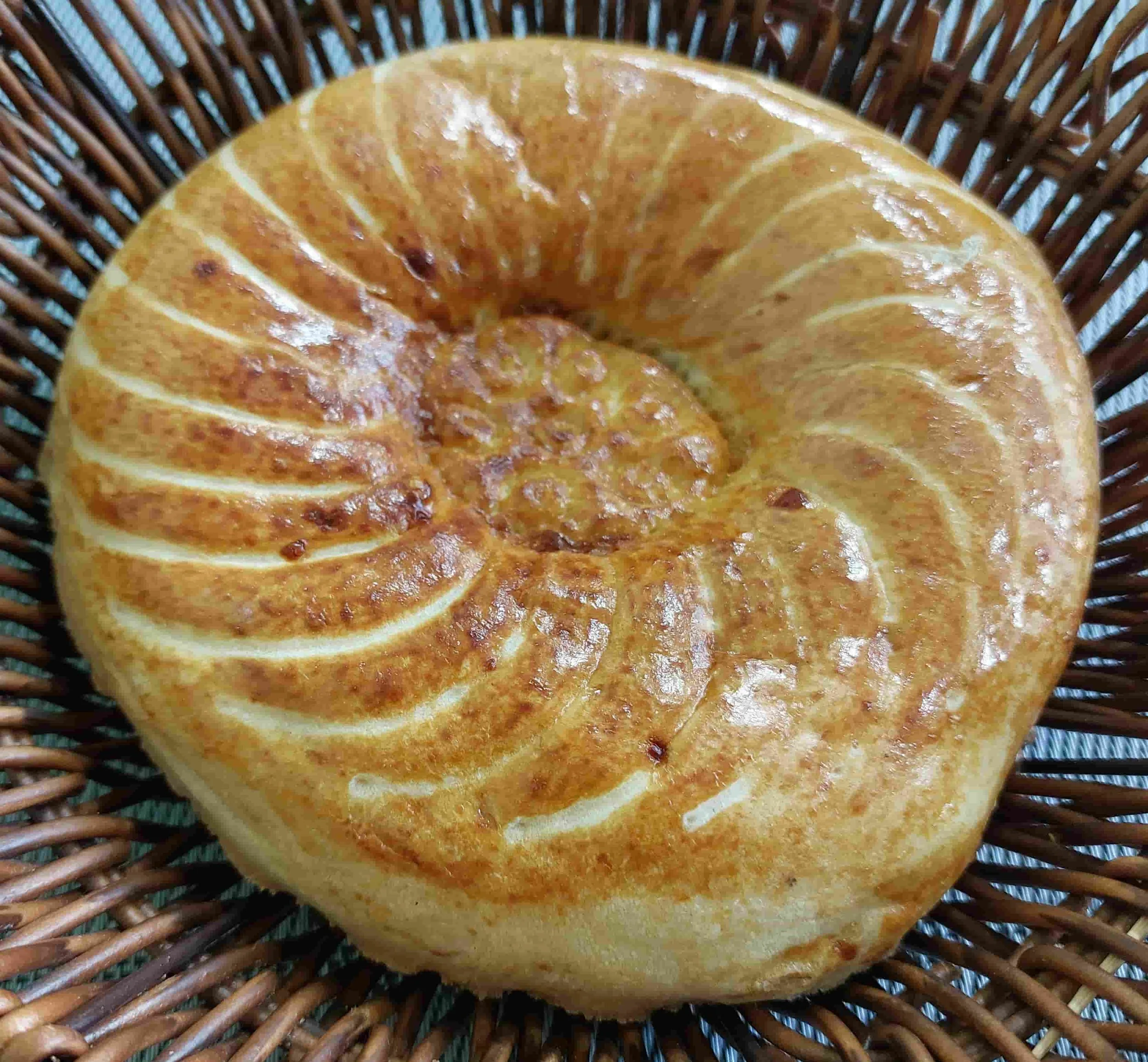
obi non
traditional flatbread
What is it?
Obi Non is a traditional Uzbek bread and an essential part of nearly every meal. Each region, and sometimes each city, has its own variation. It’s customarily torn by hand rather than cut with a knife. Baked in a clay tandir oven, it often features decorative patterns on top.
What is in it?
The dough is made from flour, water, salt, and yeast. Variations may include toppings or fillings such as sesame or nigella seeds, raisins, or nuts.
Where can I eat it?
You’ll find Obi Non throughout Uzbekistan. It’s commonly served with meals at restaurants, provided at breakfast in hotels, and sold by street vendors.
Vegan & dairy free.
Ingredients listed reflect common or typical components of this dish as served in restaurants or street‑food vendors. Variations by region, season, or vendor are common. This information is provided for general reference only. If you have dietary restrictions or allergies, please verify ingredient details independently. We assume no liability for accuracy or outcomes.
all the foods - Bosnia
Discover all the traditional Bosnian dishes we tried, from burek and ćevapi to sarma and more
Here you will find a list of all the traditional cuisine we tried in Bosnia.
Click to view our top 5 Bosnian dishes
Click to view our Mostar food guide
Click to view our Sarajevo food guide
Click to jump to one of the sections:
meat dishes
ćevapi
grilled minced meat
What is it?
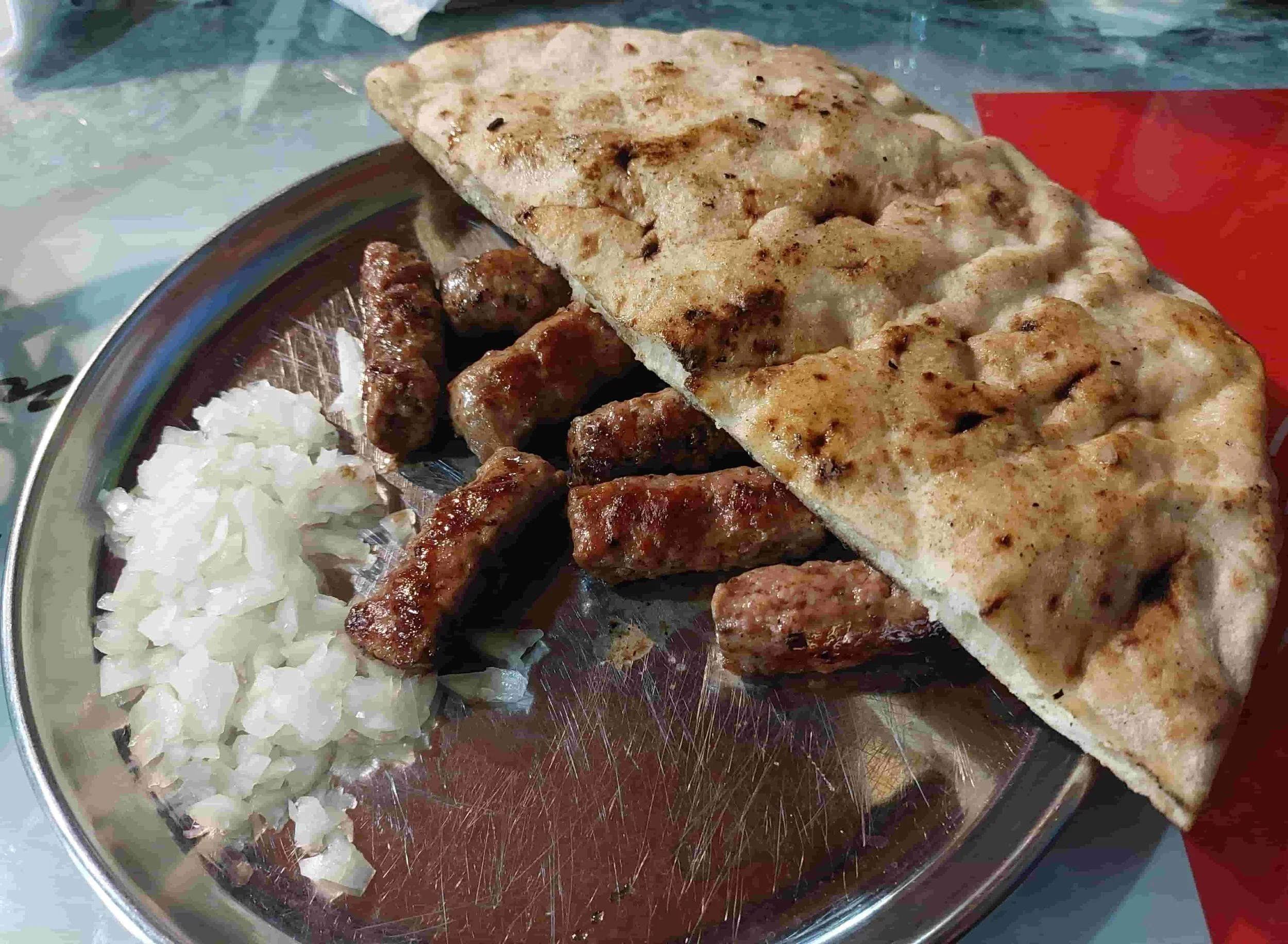
Ćevapi are small, delicious grilled sausages reminiscent of shish kofta kebabs. Salty, juicy, and complemented by soft lepinja bread that soaks up the meat’s flavorful juices, Ćevapi are one of Bosnia’s national dishes and a staple throughout the Balkans. They are commonly served in portions of 5 or 10.
What is in it?
Ćevapi are typically made with a mix of beef, lamb, or both, seasoned with garlic and salt. They are served in lepinja bread alongside a generous portion of chopped onion. Additional accompaniments may include kajmak (a rich, creamy dairy spread) or ajvar (a red pepper and aubergine condiment).
Where can I eat it?
You’ll find Ćevapi in takeaways, restaurants, and especially in specialized eateries called ćevabdžinicas, which focus exclusively on this dish. One such place, Ćevabdžinica Petica Ferhatović in Sarajevo’s old town, is an institution and should definitely be sought out for all your Ćevapi needs.
Dairy free unless served with kajmak.
pljeskavica
Balkan burger
What is it?
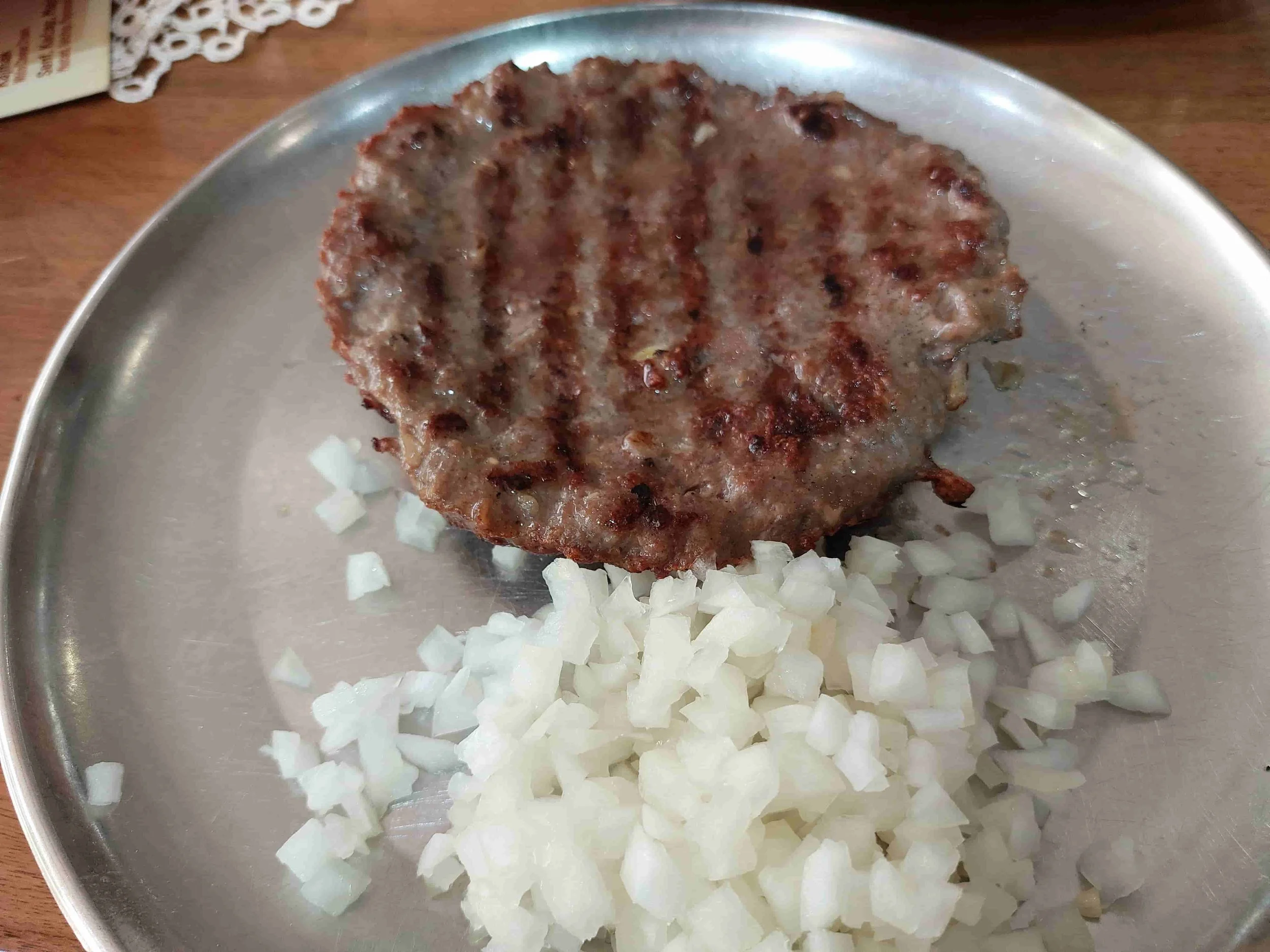
Pljeskavica has a similar taste to Ćevapi but is shaped like a burger rather than small sausages. Originally a national dish of Serbia, it is now popular in Bosnia and across the Balkans. Variations include versions stuffed with cheese.
What is in it?
Pljeskavica is typically made from beef, lamb, or both, seasoned with garlic, salt, pepper, and sometimes other spices. It is served with lepina bread and onions, and, like Ćevapi, can be paired with kajmak or ajvar.
Where can I eat it?
You can easily find Pljeskavica throughout the Balkans at takeaways and restaurants.
Dairy free unless served with kajmak.
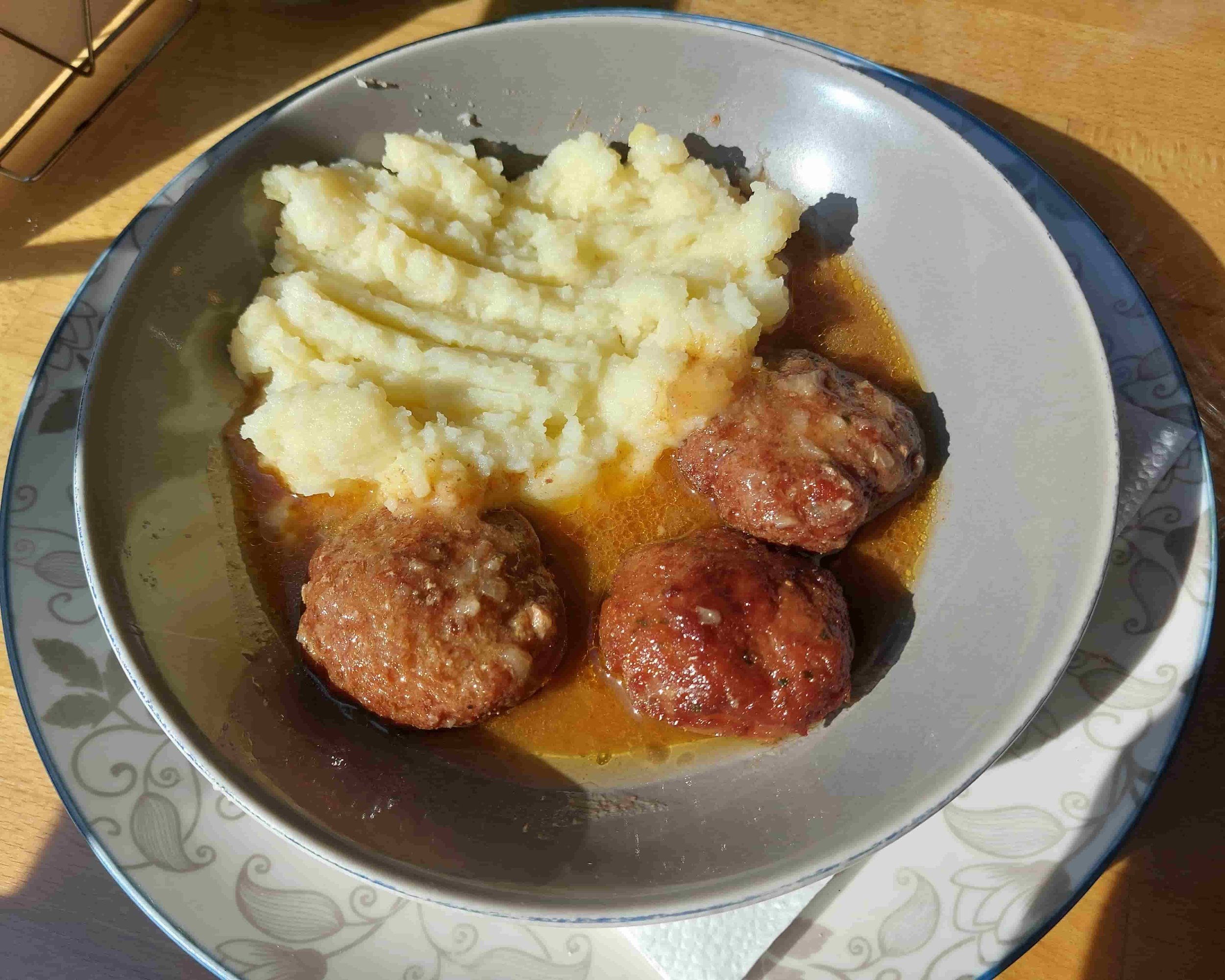
ćufte
meatballs
What is it?
Ćufte are small, juicy meatballs with Ottoman roots, a classic comfort food loved across Bosnia
What is in it?
Made from ground meat, usually beef, though other meats can be used—Ćufte are mixed with egg, garlic, black pepper, and sometimes spices like paprika, along with herbs like parsley. They’re typically served in a rich meat gravy but can also come in sauces like tomato or creamy garlic. They’re most often paired with mashed potatoes and plenty of bread to soak up the sauce.
Where can I eat it?
Ćufte is a staple at traditional Aščinicas and can also be found on the menu at other restaurants offering traditional Bosnian food.
Dairy free.
soups & stews
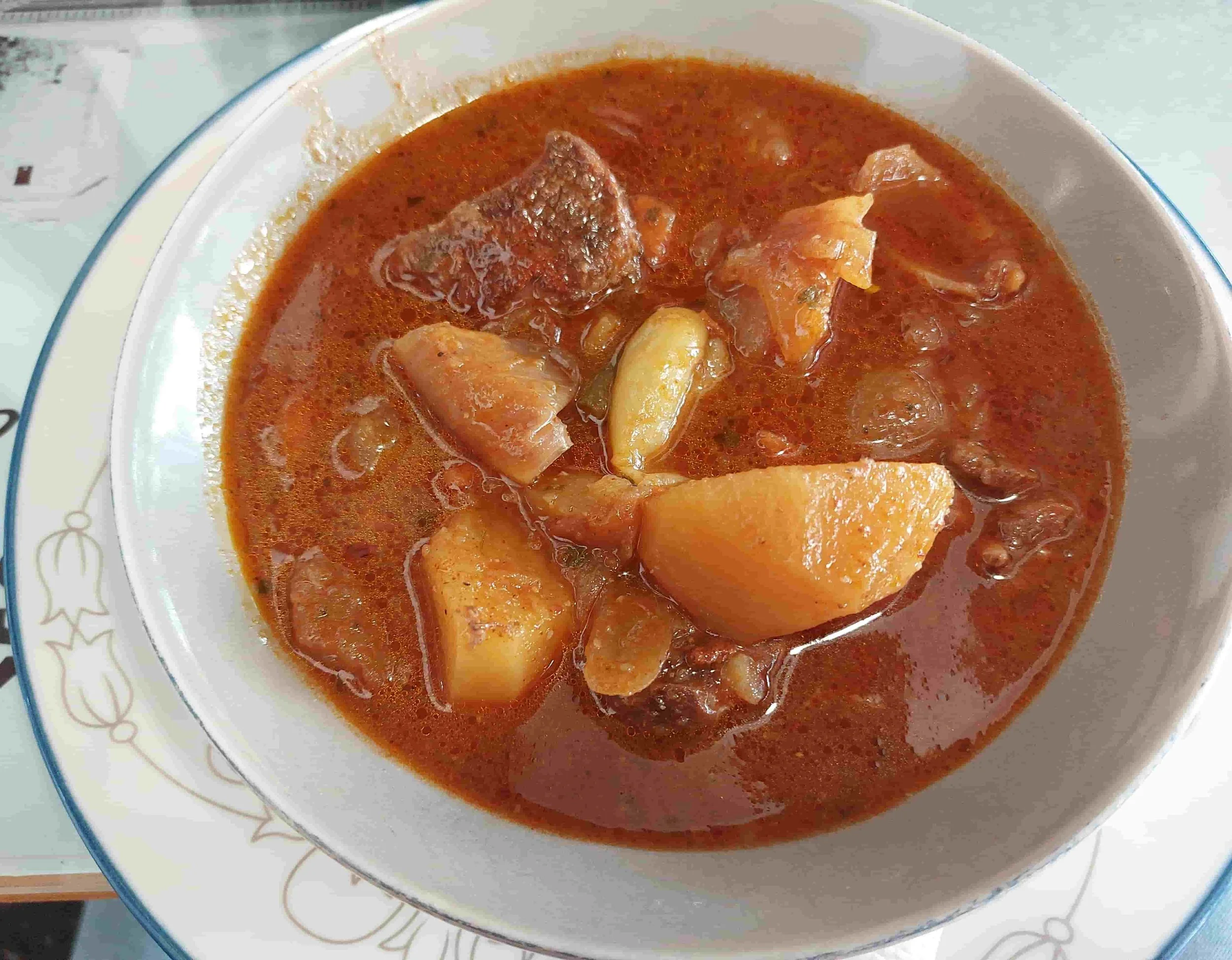
bosanski lonac
traditional Bosnian stew
What is it?
One of the national dishes of Bosnia and Herzegovina, Bosanski Lonac (Bosnian Pot) is a tasty, flavourful stew made with chunky pieces of vegetables and meat. Traditionally, it has no fixed recipe and is made with whatever ingredients are available. The version pictured is served in a tomato based gravy with a hint of paprika, delicious!
What is in it?
The recipe varies, but it generally includes meat (usually beef or lamb) stewed until tender. Typical vegetables include potatoes and carrots, with variations that may add peas, beans, onions, cabbage, and tomatoes. Herbs and spices often include parsley, garlic, peppercorns, paprika, and bay leaves.
Where can I eat it?
As a national dish, Bosanski Lonac is commonly found on the menus of Aščinicas (traditional restaurant) throughout Bosnia.
Dairy and gluten free.
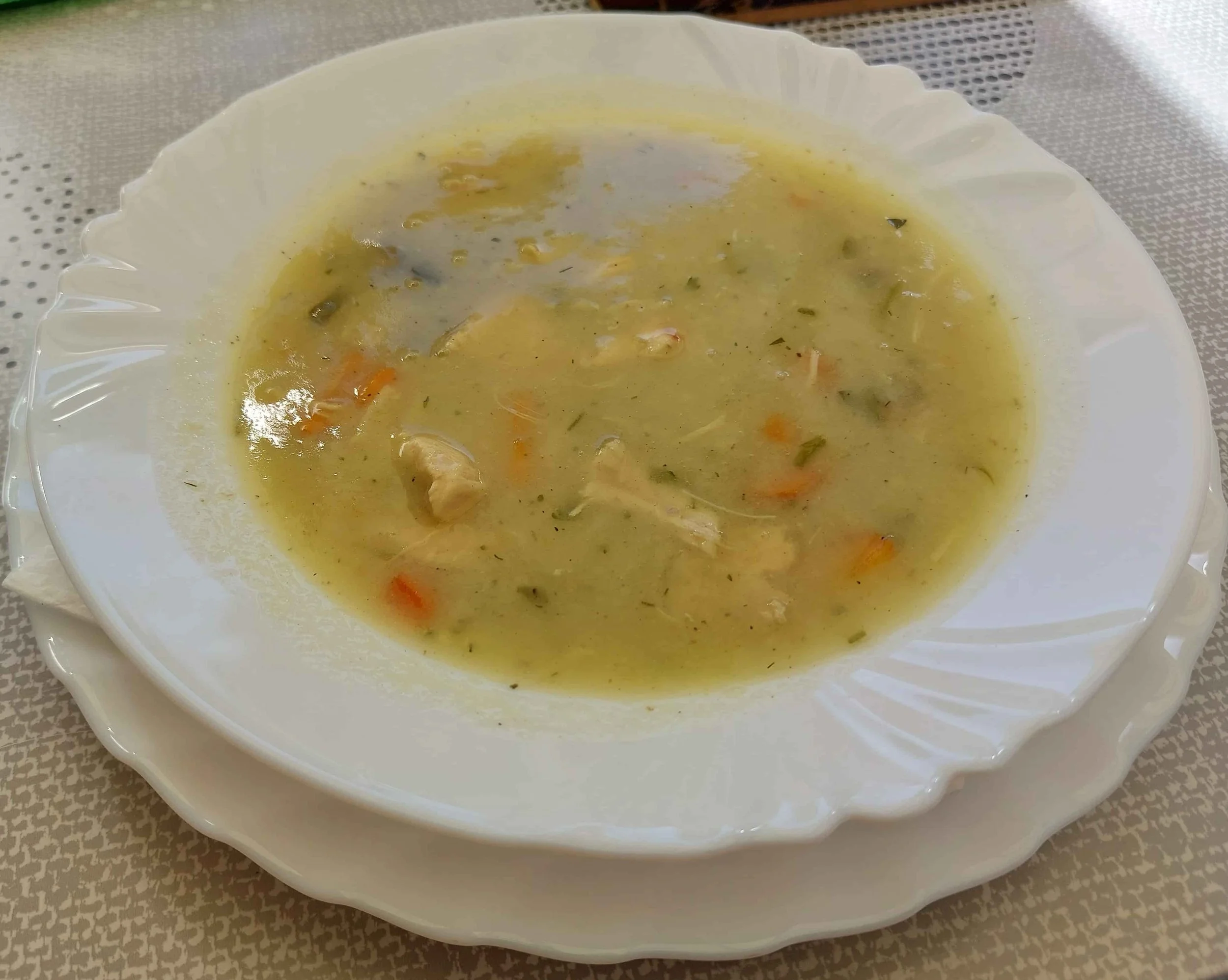
begova čorba
chicken and okra soup
What is it?
One of the most famous soups in traditional Bosnian cuisine, Begova Čorba (Bey’s Soup) is a warming, thick chicken and okra soup with Ottoman origins. Named after the Beys, or Turkish nobles, this dish was once made with ingredients that only the wealthy could afford.
What is in it?
The soup typically contains chicken, okra, and vegetables such as carrots, potatoes, and onions. It is seasoned with herbs like parsley and bay leaves.
Where can I eat it?
Begova Čorba is easily found in traditional Bosnian restaurants. We tried it at both Aščinica Sahan and Aščinica Balkan II in Mostar.
Dairy free.
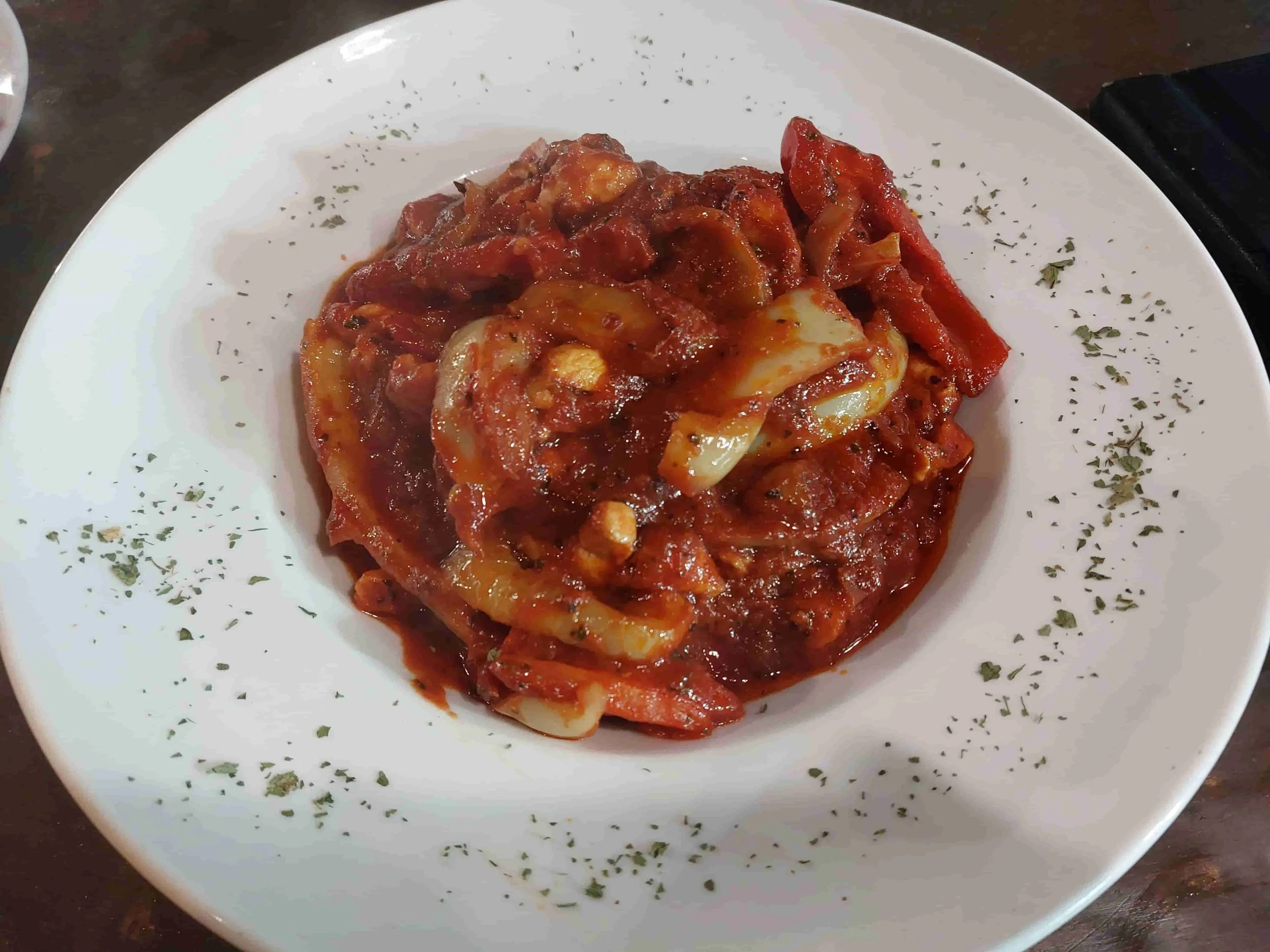
mućkalica
mixed meat stew
What is it?
Mućkalica is a stew traditionally made from leftover barbecue meat in a lightly spiced tomato sauce with vegetables. The name comes from the word mućkati, meaning "to shake, mix, or combine," since the dish typically uses a mix of leftovers.
What is in it?
The stew always includes meat and peppers, along with tomatoes, onions, garlic, paprika, and sometimes chili peppers for a hint of spice. It’s typically served with plenty of bread for soaking up the sauce.
Where can I eat it?
You’ll find Mućkalica in many traditional restaurants, especially in Sarajevo. We enjoyed a tasty chicken version at Nanina Kuhinja in the old town.
Dairy and gluten free.
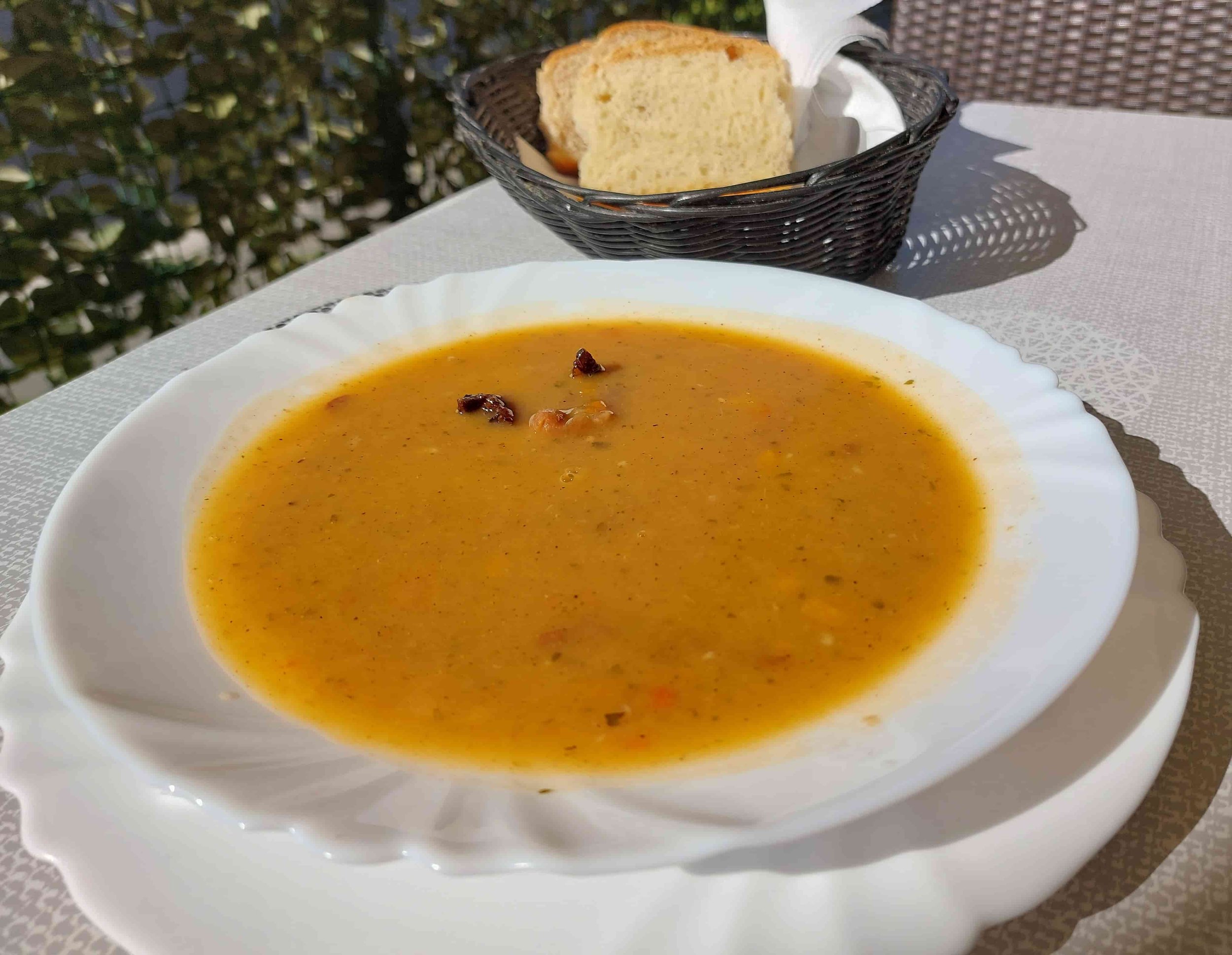
grah
bean stew
What is it?
Grah is a bean stew popular throughout the Balkans, its name simply meaning “beans.” This is classic peasant comfort food for a cold day, and there’s no set recipe beyond the essential beans! Grah is typically a slow-cooked, one-pot dish that thickens into a hearty stew.
What is in it?
The core ingredient is, of course, beans, most commonly kidney beans or white beans, along with garlic, vegetables, and meat (often beef, though other meats can be used). Common vegetables include onions, carrots, parsnips, tomatoes, and potatoes. Classic Bosnian spices such as paprika, parsley, and bay leaves can be used to add extra flavour.
Where can I eat it?
Grah is often found in traditional Aščinicas but is less common on other restaurant menus. We tried it at Aščinica Balkan II in Mostar.
Dairy and gluten free.
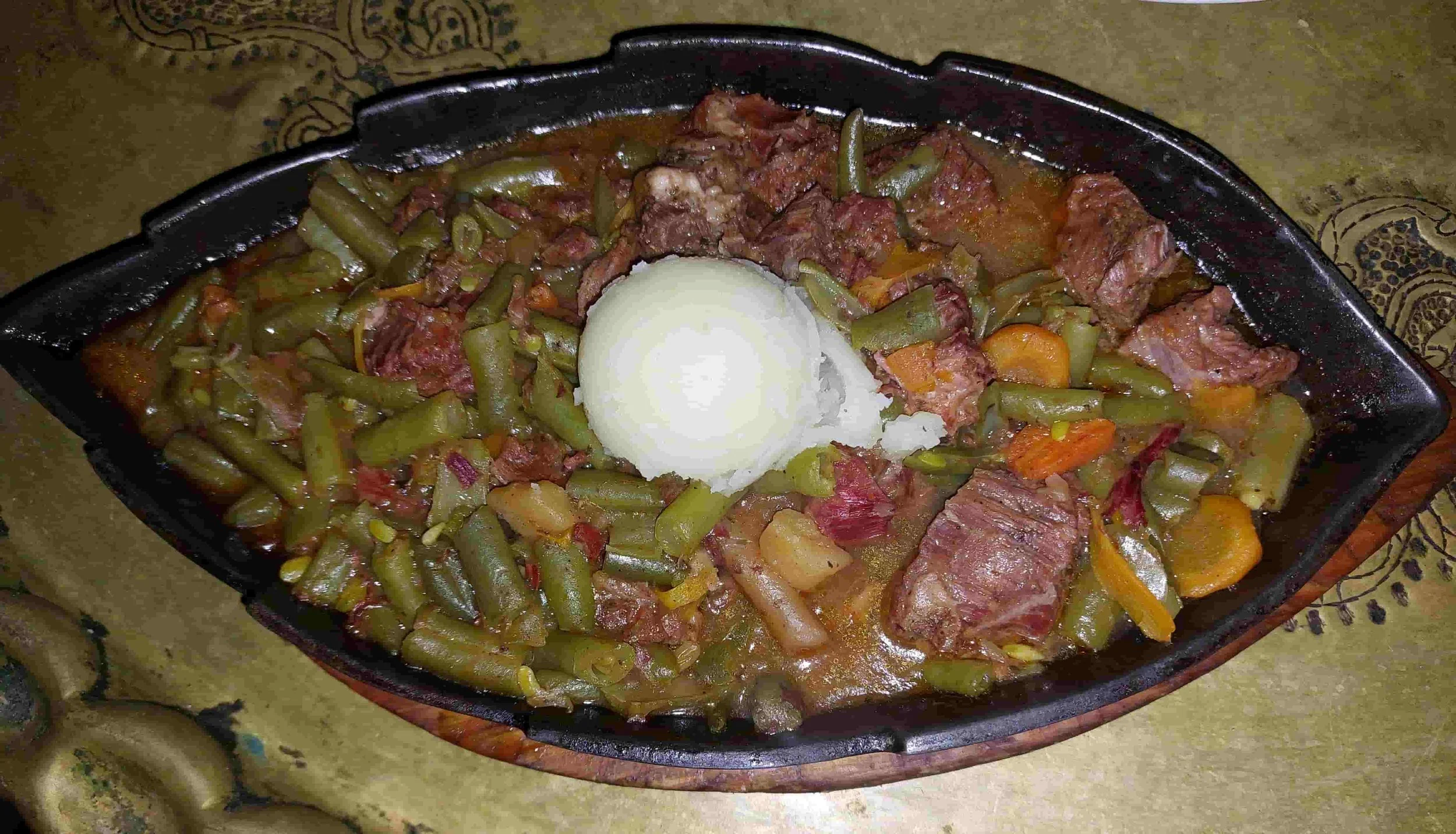
buranija
green bean & veal stew
What is it?
Buranija is a traditional Bosnian green bean and veal stew, slow-cooked for hours until the veal is incredibly tender and melts in your mouth. A vegetarian version without the veal is also available.
What is in it?
This filling stew includes green beans, veal, carrots, onions, and tomatoes or tomato paste, along with spices like pepper, paprika, garlic, and bay leaves. It’s typically served with bread for mopping up the gravy and a side of mashed potatoes.
Where can I eat it?
You won’t find Buranija in every traditional restaurant in Bosnia, but we did enjoy it at a few places in Sarajevo, including Nanina Kuhinja in the old town.
Dairy and gluten free. Vegetarian and vegan versions available.
stuffed & wrapped
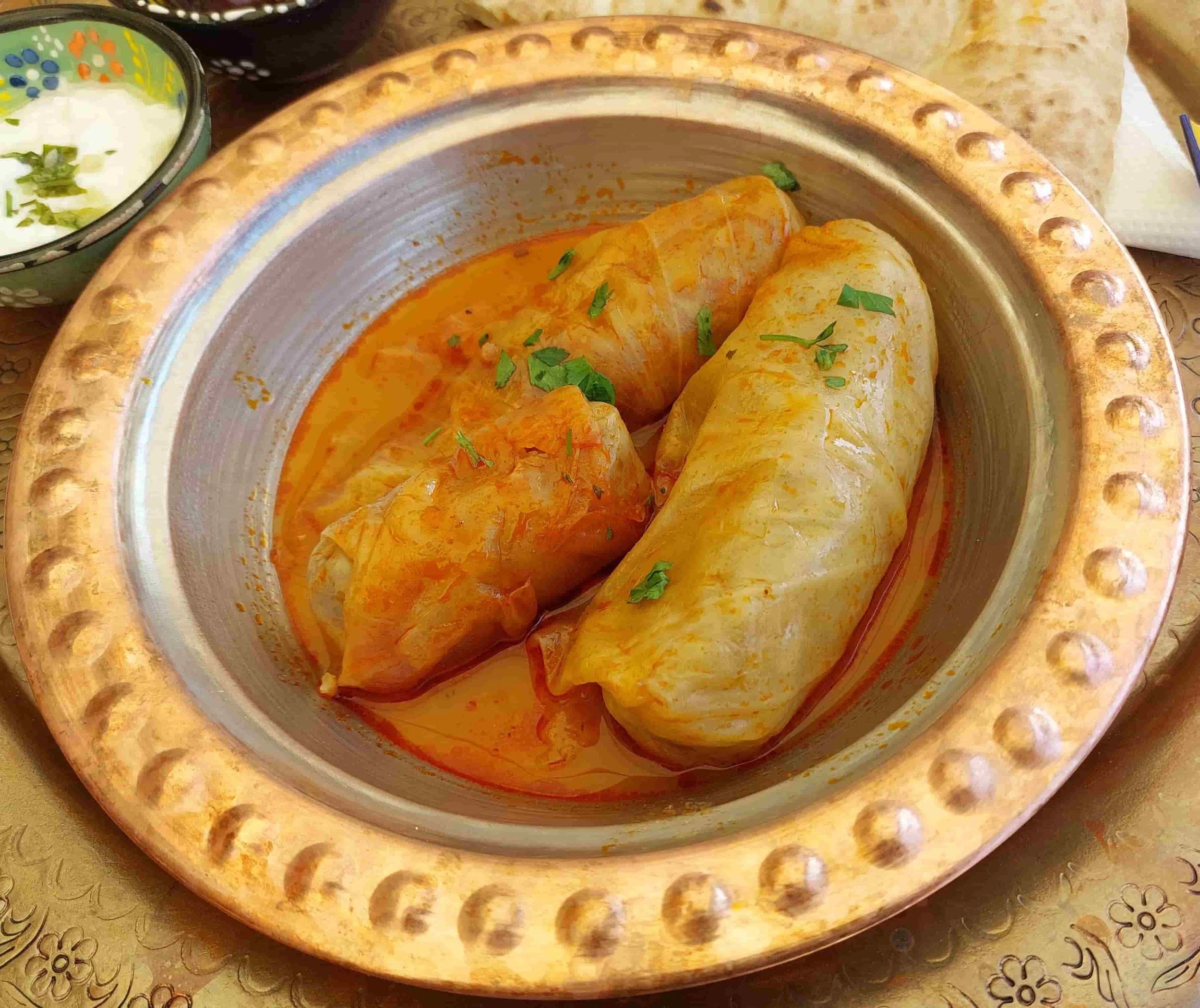
sarma
stuffed cabbage rolls
What is it?
Delicious Bosnian sarma consists of pickled cabbage leaves (similar to sauerkraut) filled with meat, rice, and spices. It’s popular across the Balkans and beyond. It has Ottoman roots, and its name comes from the Turkish word sarmak, meaning "to wrap."
What is in it?
Pickled cabbage leaves filled with beef (sometimes lamb), rice, onion, and garlic, along with herbs and spices such as paprika, parsley, and bay leaves. It’s simmered in a flavourful broth, often served with bread for dipping and sometimes topped with sour cream.
Where can I eat it?
You'll easily find Sarma on menus throughout Bosnia.
Dairy and gluten free.
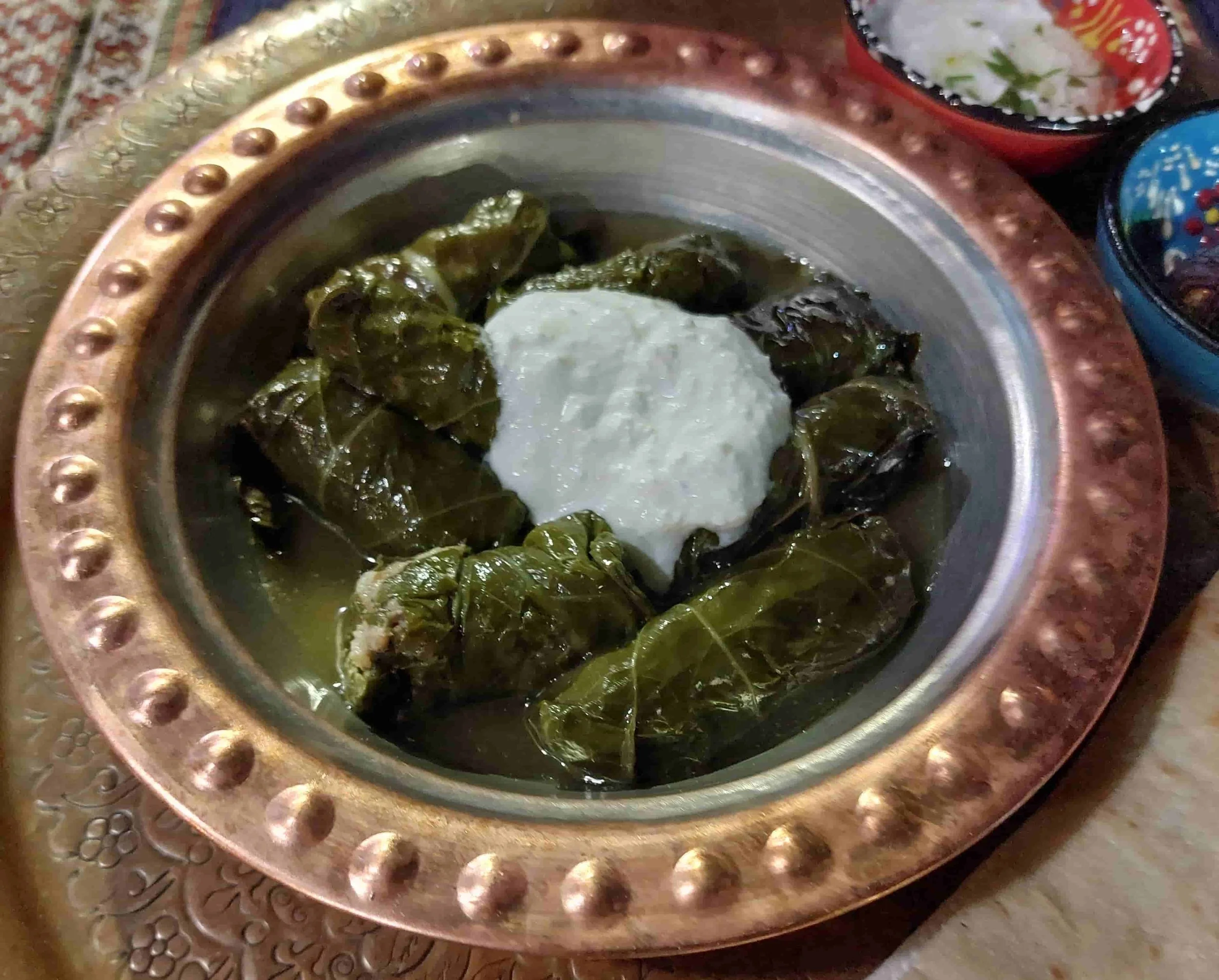
japrak
stuffed leaves
What is it?
Japrak derives from the Turkish word Yaprak, meaning "leaf." It’s closely related to Sarma, featuring a similar minced meat and rice filling, traditionally wrapped in raštika cabbage leaves (a local Bosnian variety). In some versions, vine leaves are used instead. We know they’re similar, but both Japrak and Sarma are so good we had no choice but to include them in our top 5.
What is in it?
Cabbage leaves stuffed with beef (sometimes lamb), rice, onion, and garlic, along with herbs and spices such as paprika, parsley, and bay leaves. It’s usually simmered in a savoury broth, served with bread for dipping, and may be garnished with sour cream.
Where can I eat it?
While not as ubiquitous as Sarma, you can still find delicious Japrak in most traditional restaurants throughout Bosnia.
Dairy and gluten free.
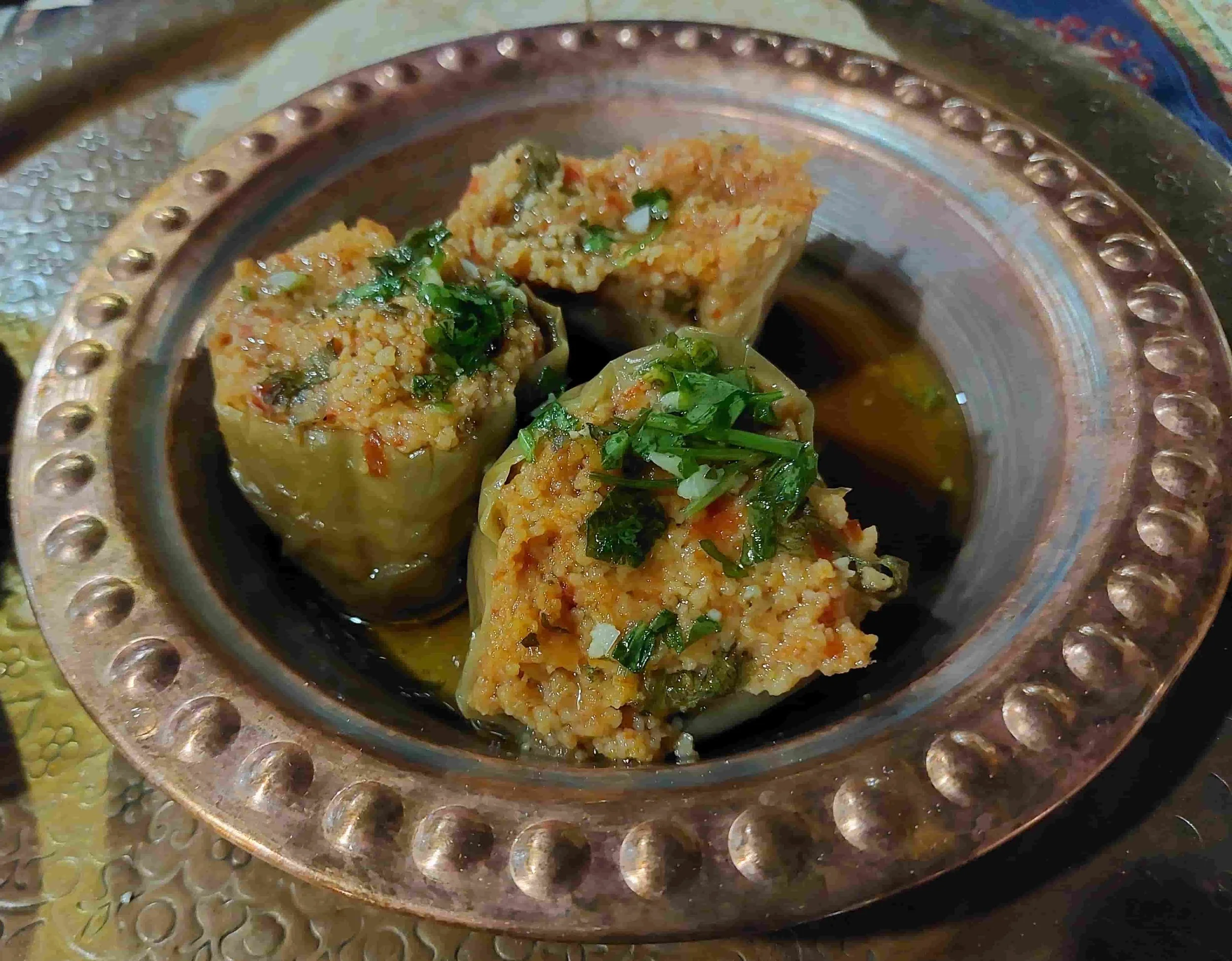
dolma
stuffed peppers
What is it?
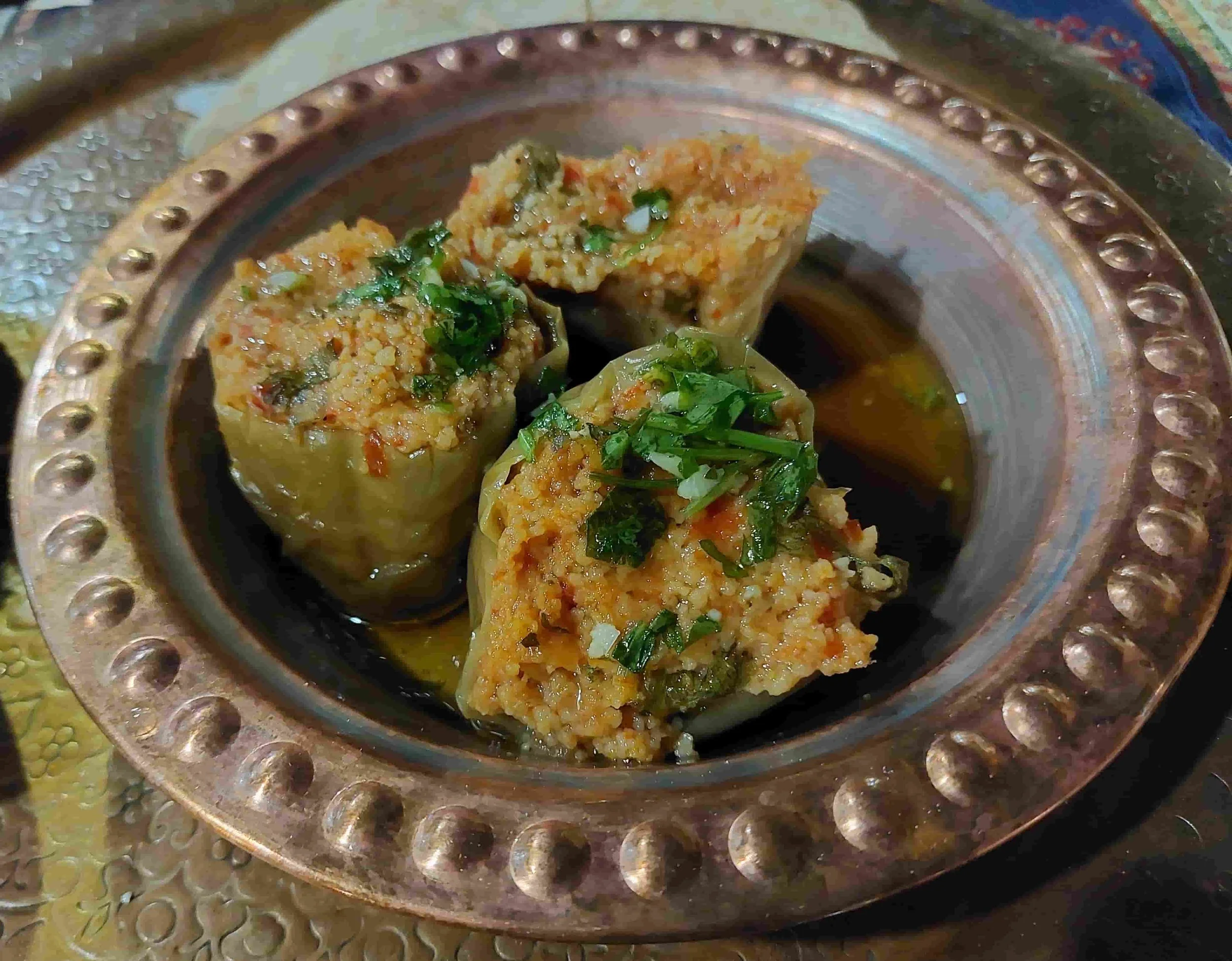
Dolma, also known as Punjena paprika (stuffed bell peppers), features peppers filled with a mixture of meat, rice, and spices, although vegetarian versions are also available. Popular across the Balkans and beyond, this dish traces its roots to Turkish cuisine, with the word Dolma meaning "stuffed" in Turkish. A unique variant found in Mostar is Soğan Dolma, which uses stuffed onions (soğan meaning "onion" in Turkish). In Bosnia, Dolma is typically cooked and served in a flavourful tomato based sauce.
What is in it?
Bell peppers are filled with a mix of meat (usually beef), rice, onions, and garlic. The sauce often includes water and tomato paste, with ajvar sometimes added for extra flavour. It is commonly garnished with parsley and served with bread for dipping or soaking up the sauce.
Where can I eat it?
You’ll find Dolma readily available throughout Bosnia, on many traditional menus. We enjoyed delicious versions at Vrata Orijenta in Mostar, which offered both meat and vegetarian options, accompanied by tasty fresh bread.
Dairy and gluten free. Vegetarian and vegan versions available.
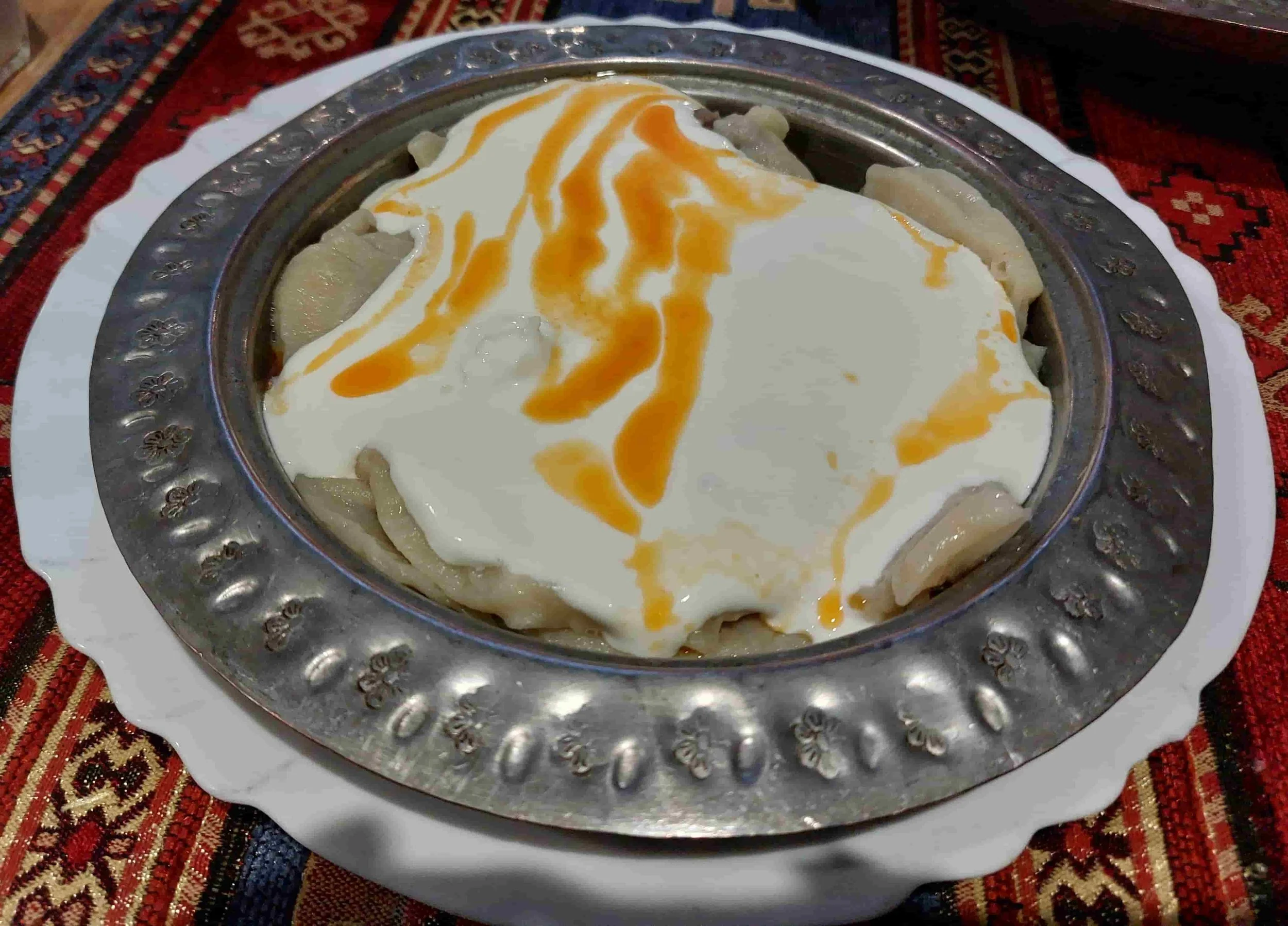
klepe
Bosnian dumplings
What is it?
Klepe are Bosnian dumplings, similar to Turkish manti. These small, bite-sized dumplings are often served as a starter or snack, and are hard to stop eating once you start!
What is in it?
Klepe are made with a flour-based dough, typically filled with meat (usually beef or a beef-pork mix), though vegetarian versions with cheese, spinach, or potatoes can also be found. They are usually served with a garlic-infused sour cream or yogurt sauce, sometimes drizzled with butter or oil.
Where can I eat it?
You’ll find Klepe on some traditional menus. We tried the meat-filled version at Šadrvan in Mostar, and Nanina Kuhinja in Sarajevo offered both meat and cheese varieties.
Vegetarian versions available.
breakfast & sides
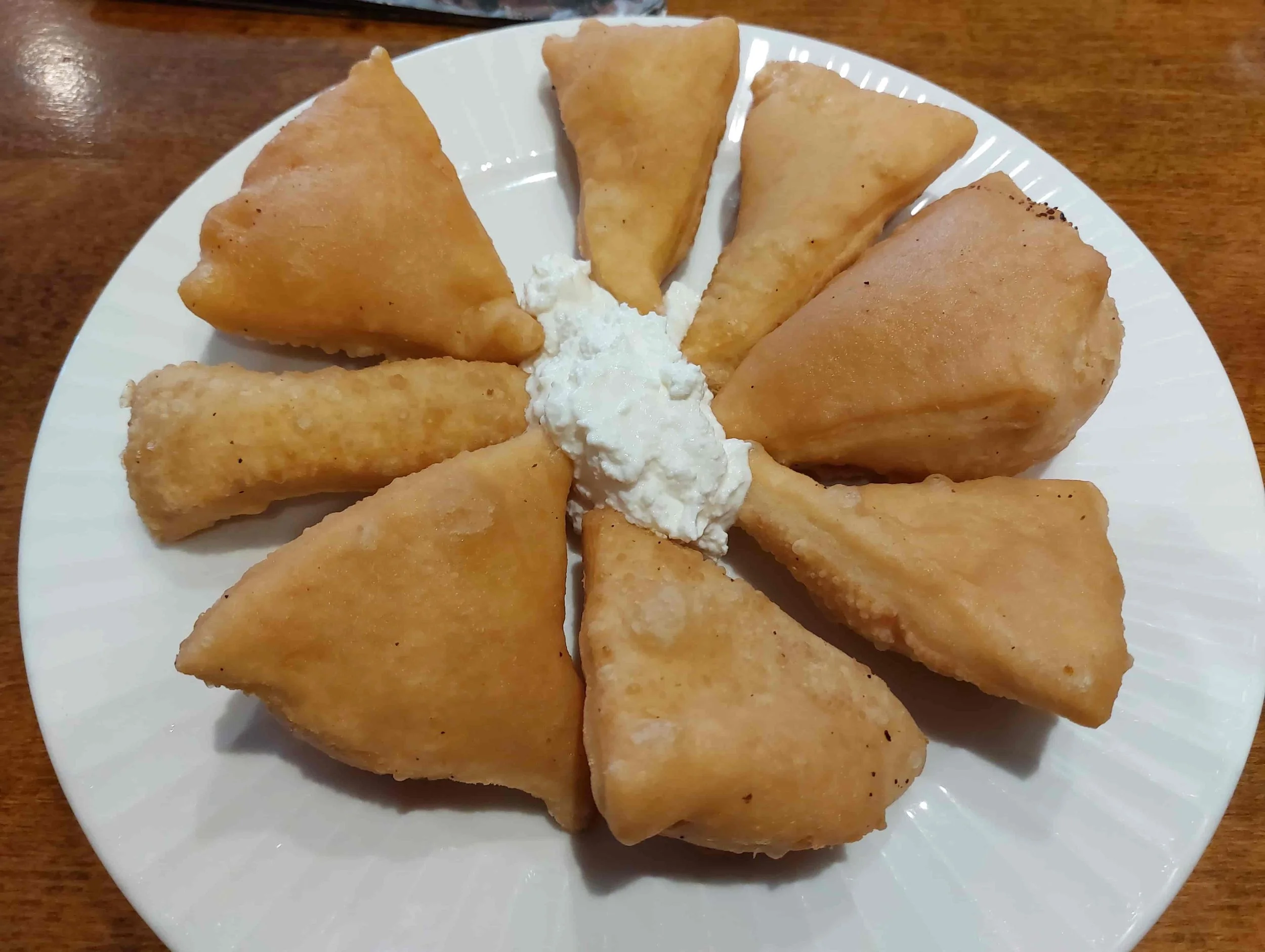
uštipci
fried dough balls
What is it?
Uštipci are a traditional breakfast or snack dish made of fried dough, similar to a doughnut. They are typically small, round, and golden-brown, and are best eaten fresh and warm. They’re light and airy, not the healthiest choice, but filling enough to set you up for the day!
What is in it?
The dough is made from eggs, milk, flour, salt, and yeast. Some recipes may include a little sugar or baking powder for extra lift. Uštipci can be served with a variety of accompaniments, such as a generous helping of cheese (similar to feta) or kajmak (a creamy dairy product). Sweet versions are also available, often served with jam, honey, or powdered sugar.
Where can I eat it?
Uštipci can be found in many traditional restaurants and cafés throughout the country. We enjoyed some at Staklo in Sarajevo's old town, a great spot to sample traditional foods at reasonable prices.
Vegetarian
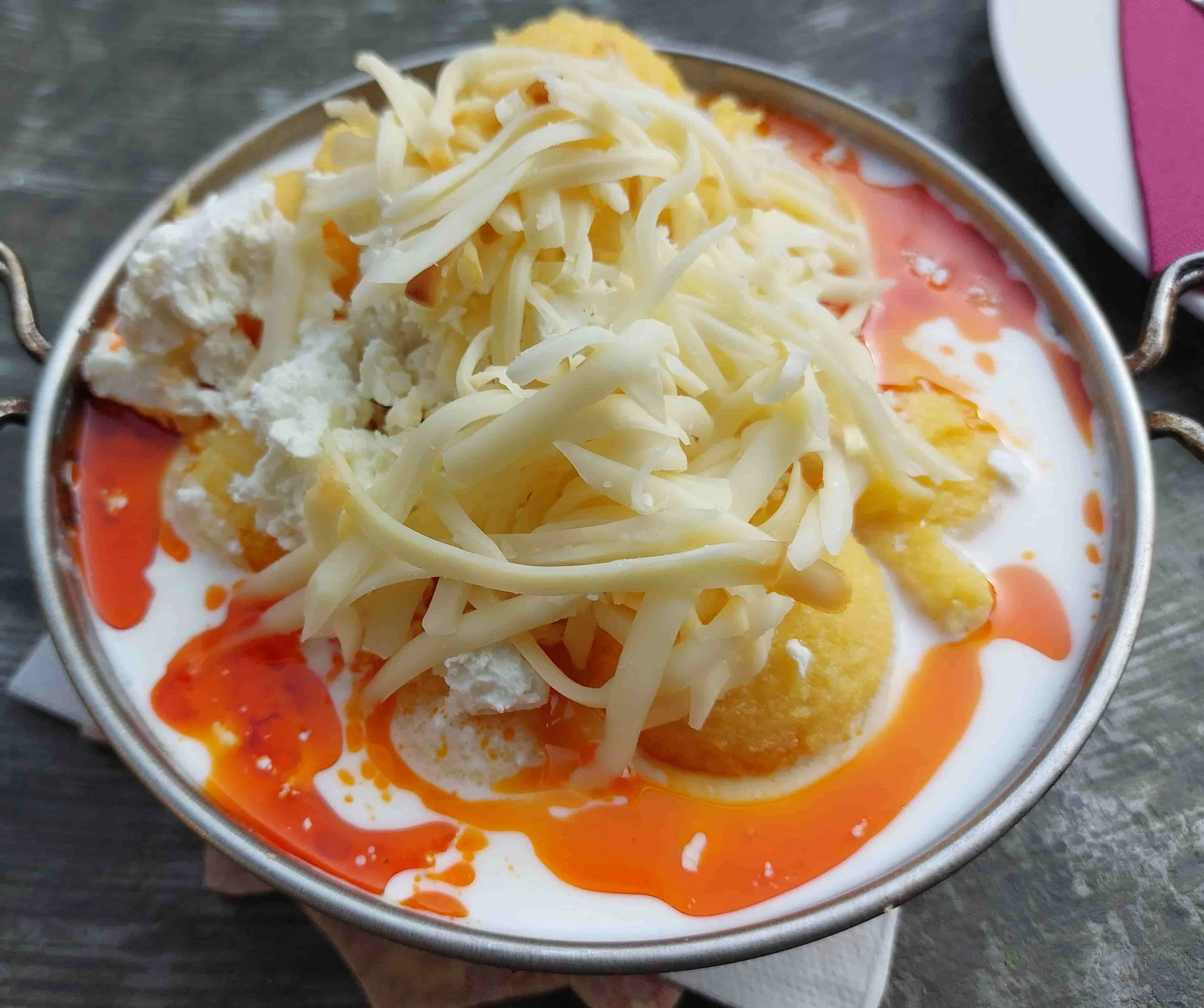
pura
breakfast polenta
What is it?
Pura is a traditional breakfast dish of polenta, popular not only in Bosnia but also in many Balkan countries. Be warned, it’s incredibly filling!
What is in it?
Made from cornmeal, butter, oil, and salt, Pura is often topped with yogurt (sometimes with a hint of garlic) and drizzled with oil. It’s also served with Travnički cheese cubes and grated Livanjski cheese. Some variations include bacon for a non-vegetarian version.
Where can I eat it?
We found Pura on many menus around Sarajevo, though it’s often only served at breakfast. Staklo is one spot where you can try it.
Vegetarian & gluten free. Vegan and dairy free versions available

burek (pita)
filo pie
What is it?
Burek is a filo pastry pie that can have various fillings and is available in individual spiral-shaped portions or larger round pies cut into slices, similar to pizza. The first time we tried burek (or börek), we were hooked—it’s greasy, flaky, delicious, and unhealthy. Despite telling ourselves we wouldn't eat it every day, it turned out we could, and did! In Bosnia and Herzegovina, burek specifically refers to the meat-filled version, while all other varieties, such as those filled with cheese, spinach, or potatoes are collectively known as pita (pee-tah) found throughout the Balkans, burek can be enjoyed for breakfast, lunch, dinner or as a snack. While found throughout the region, Bosnia is especially known for its high quality versions, and many locals will tell you confidently that Bosnian burek is the best. We have to say we agree.
What is in it?
Burek (in Bosnia) minced or ground beef (sometimes lamb), onion, and spices wrapped in thin layers of handmade filo pastry.
Other types of pita:
Zeljanica, filled with spinach and white cheese (like feta)
Sirnica, cheese only
Krompiruša, potatoes, sometimes with onion
Tikvenjača, pumpkin (less common)
There is also a special type of Burek served in some Buregdžinicas called Buredžici that is topped with a sour cream/yoghurt garlic sauce.
Where can I eat it?
You can find burek in bakeries all over Bosnia, from early morning until late at night. Specialty bakery-restaurants known as buregdžinicas serve only burek. In Mostar, we enjoyed a great burek at Buregdžinica Ago, located a bit outside the old town but worth the trip. In Sarajevo’s old town, we found excellent options at ASDž Buregdžinica and Buregdžinica Sač.
Vegetarian versions available.
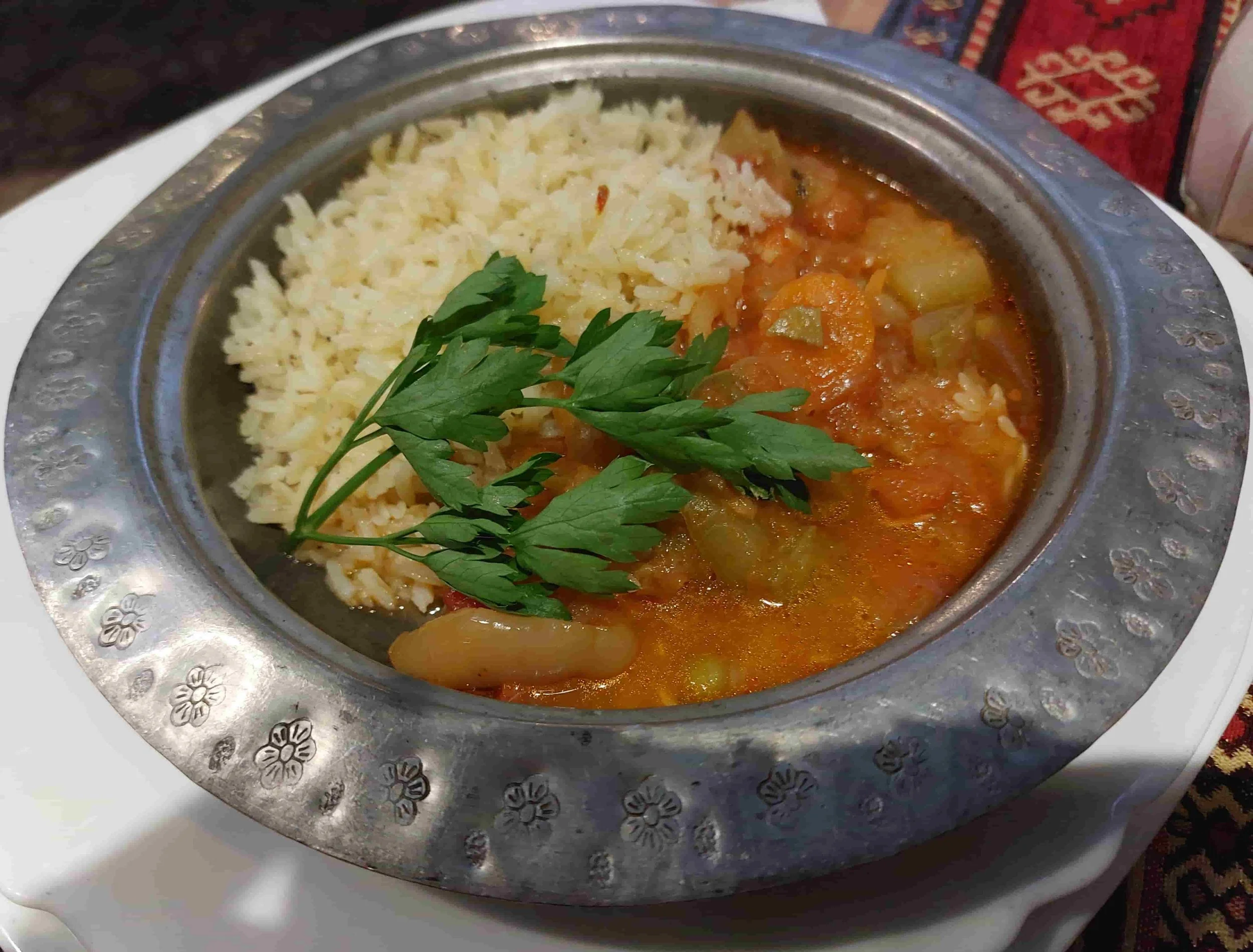
djuvec
vegetable rice
What is it?
Djuvec is a traditional Bosnian vegetable dish, reminiscent of ratatouille. While the classic version is vegetarian, versions with meat such as chicken, beef, or lamb can also be found.
What is in it?
The mix of vegetables can vary, but the version we tried included onions, peppers, carrots, tomatoes, courgettes, and peas. In Bosnia, Djuvec is usually simmered together in a single pan or baked, and typically served with rice on the side.
Where can I eat it?
Sometimes served as a side dish but also enjoyed as a main course, we had Djuvec at Šadrvan, a traditional restaurant in Mostar. While it’s not available everywhere in Bosnia, you can find it on many traditional menus throughout the country.
Vegan, dairy and gluten free.
desserts
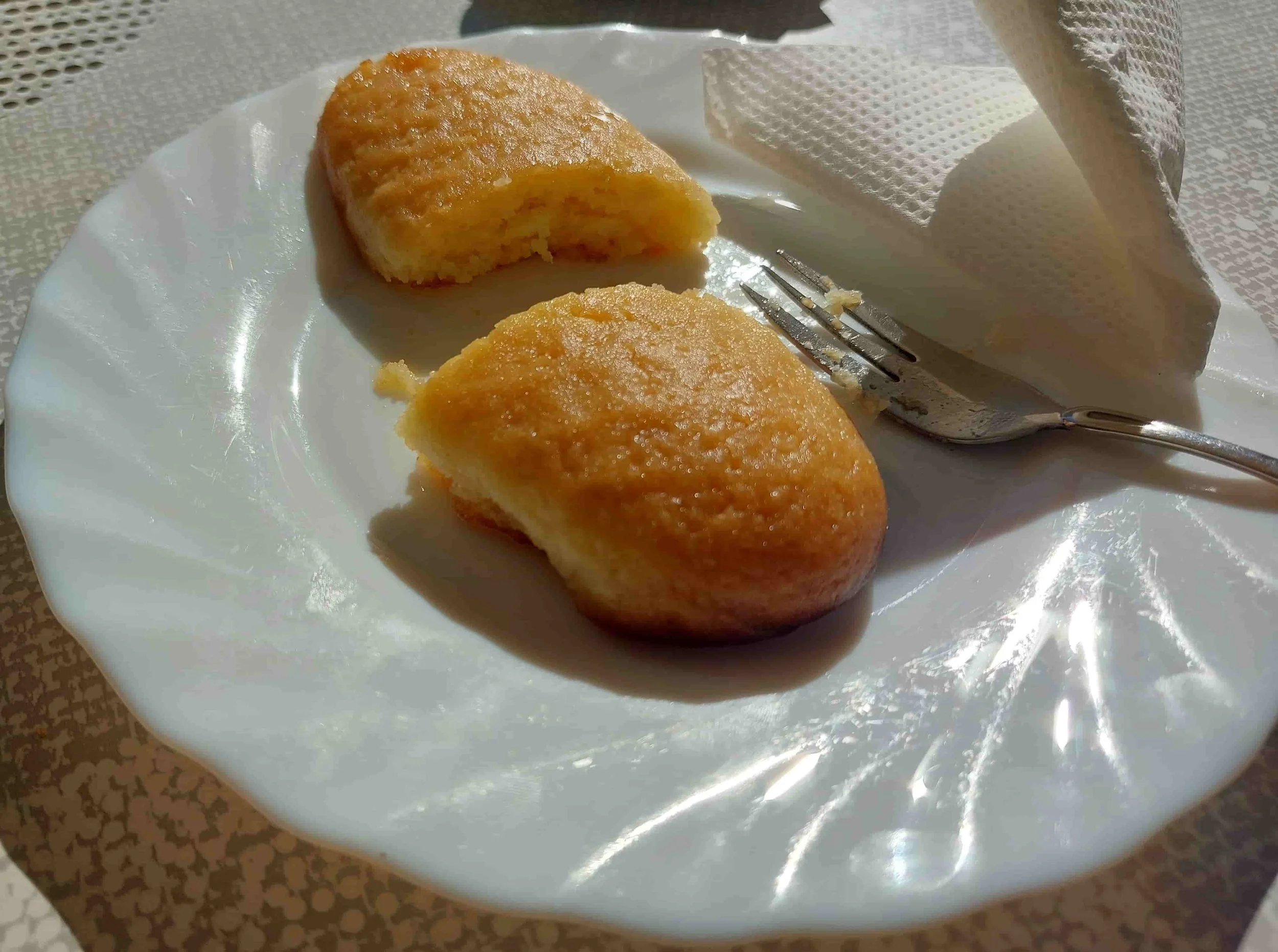
hurmašice
syrup soaked biscuits
What is it?
Hurmašice is a traditional Bosnian dessert with Turkish roots. These buttery, biscuit-like pastries, often made with semolina for a tender, crumbly texture are baked and then drenched in a rich, sweet syrup. If you have a sweet tooth, this is the dessert for you!
What is in it?
The pastry is typically made from eggs, sugar, flour, and sometimes semolina, along with butter. The syrup is prepared from sugar, water, and lemon juice, and is sometimes flavoured with vanilla.
Where can I eat it?
You’ll find hurmašice on the dessert menus of many traditional restaurants throughout Bosnia, so you should not have a problem finding it.
Vegetarian
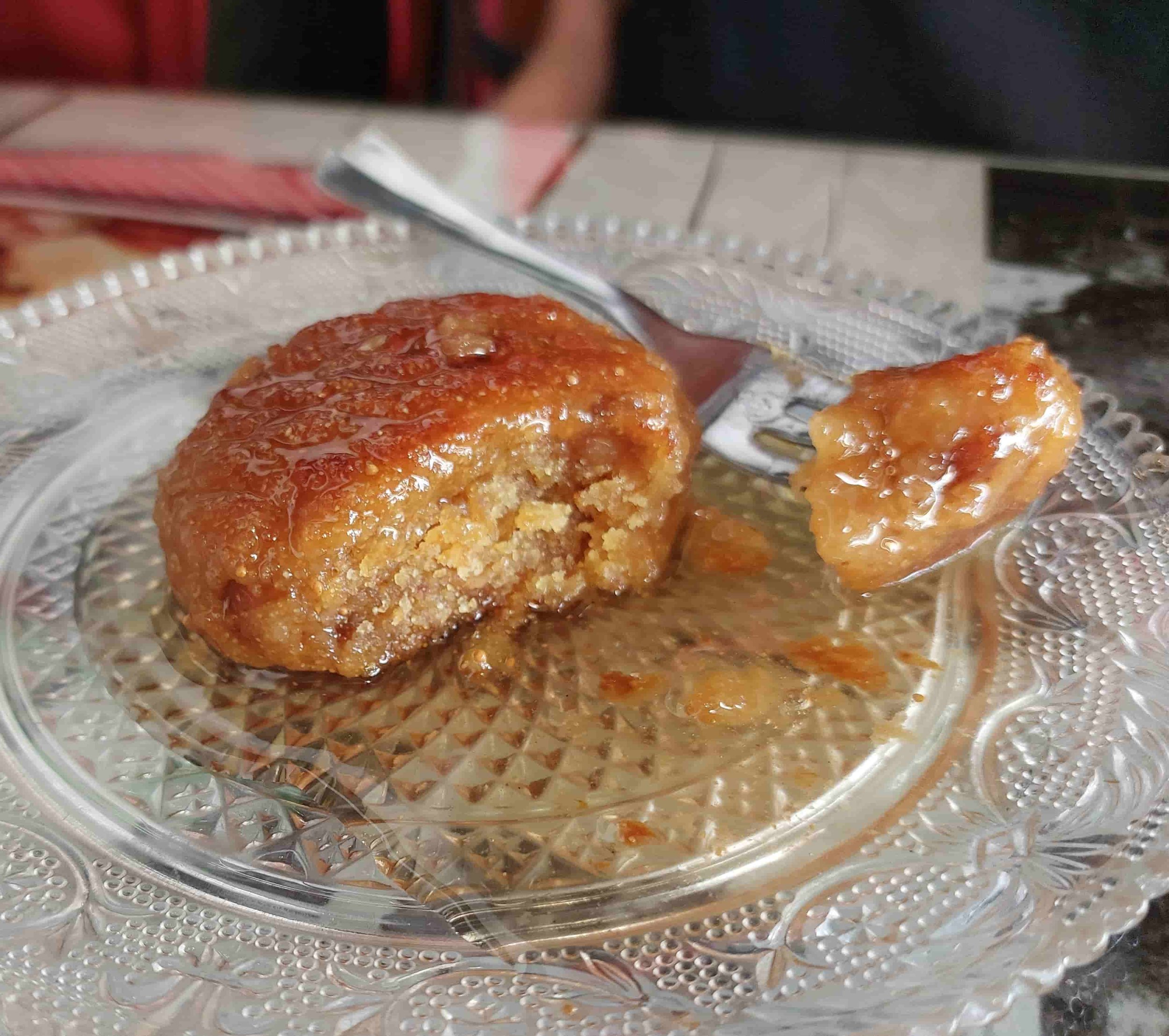
smokvara
syrup & fig jam cake
What is it?
Smokvara is a rich, syrup soaked fig jam cake hailing from Herzegovina. Like many Ottoman inspired desserts, it is drenched in a sweet syrup and pairs perfectly with a cup of strong Bosnian coffee.
What is in it?
The cake features a brown dough made with flour, sugar, and oil, while its signature sweetness comes from fig pekmez syrup.
Where can I eat it?
Though not as common as other desserts, you can occasionally find smokvara on traditional menus. We enjoyed it at Aščinica Balkan II in Mostar.
Vegan, dairy and gluten free.
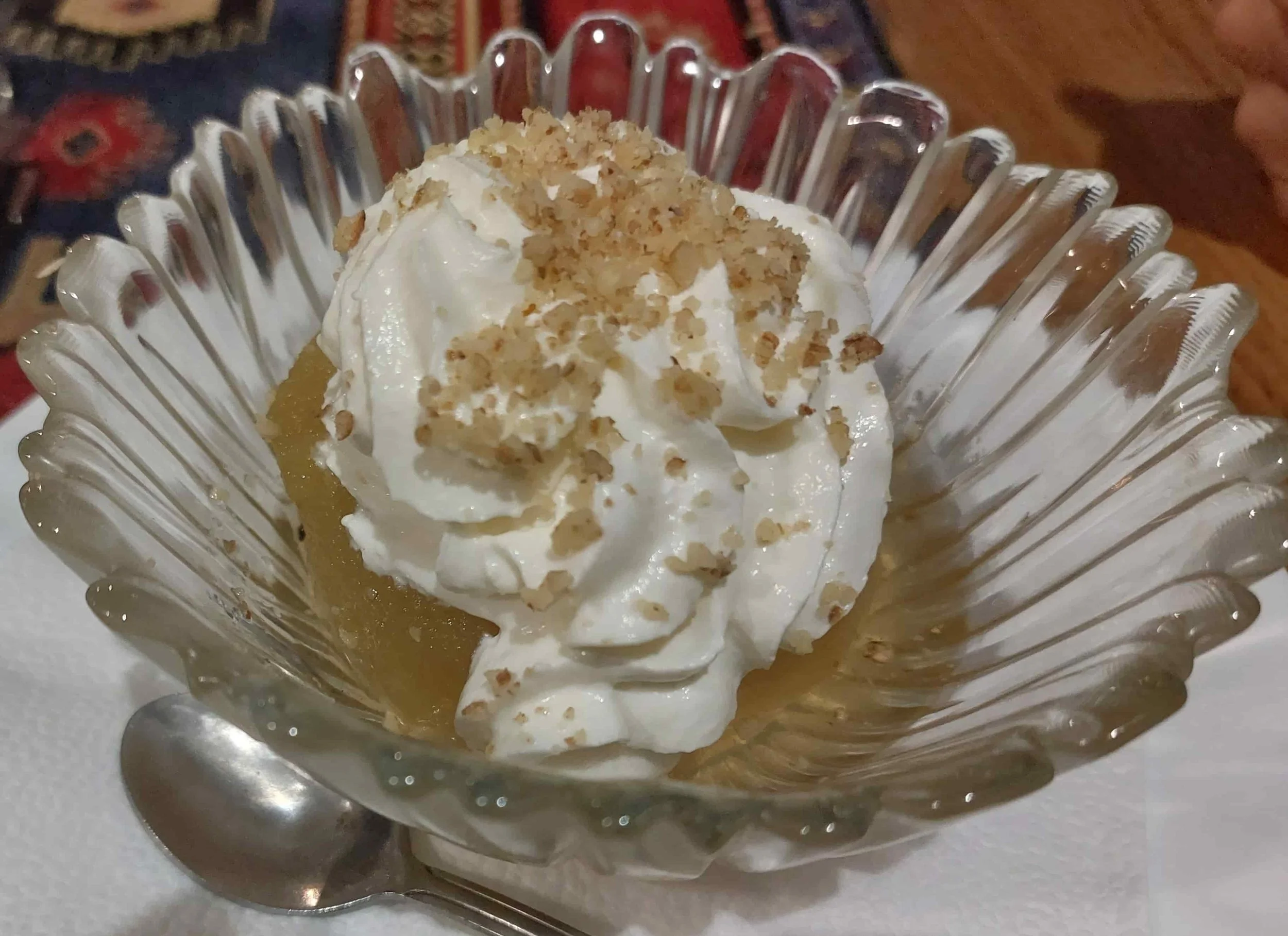
tufahija
walnut stuffed apples
What is it?
Tufahija is a classic Bosnian dessert featuring sweet, tender poached apples stuffed with a walnut filling and topped with whipped cream and extra walnuts. The Ottoman influence is evident in the preparation, as the apples are poached in a sugar syrup, a technique common in many traditional Bosnian sweets.
What is in it?
Apples, walnuts, sugar syrup, and whipped cream. Sometimes flavored with vanilla.
were can I eat it?
You can find tufahija on the dessert menus of many traditional restaurants throughout Bosnia. We enjoyed a delicious version at Šadrvan in Mostar.
Vegetarian & gluten free
Ingredients listed reflect common or typical components of this dish as served in restaurants or street‑food vendors. Variations by region, season, or vendor are common. This information is provided for general reference only. If you have dietary restrictions or allergies, please verify ingredient details independently. We assume no liability for accuracy or outcomes.
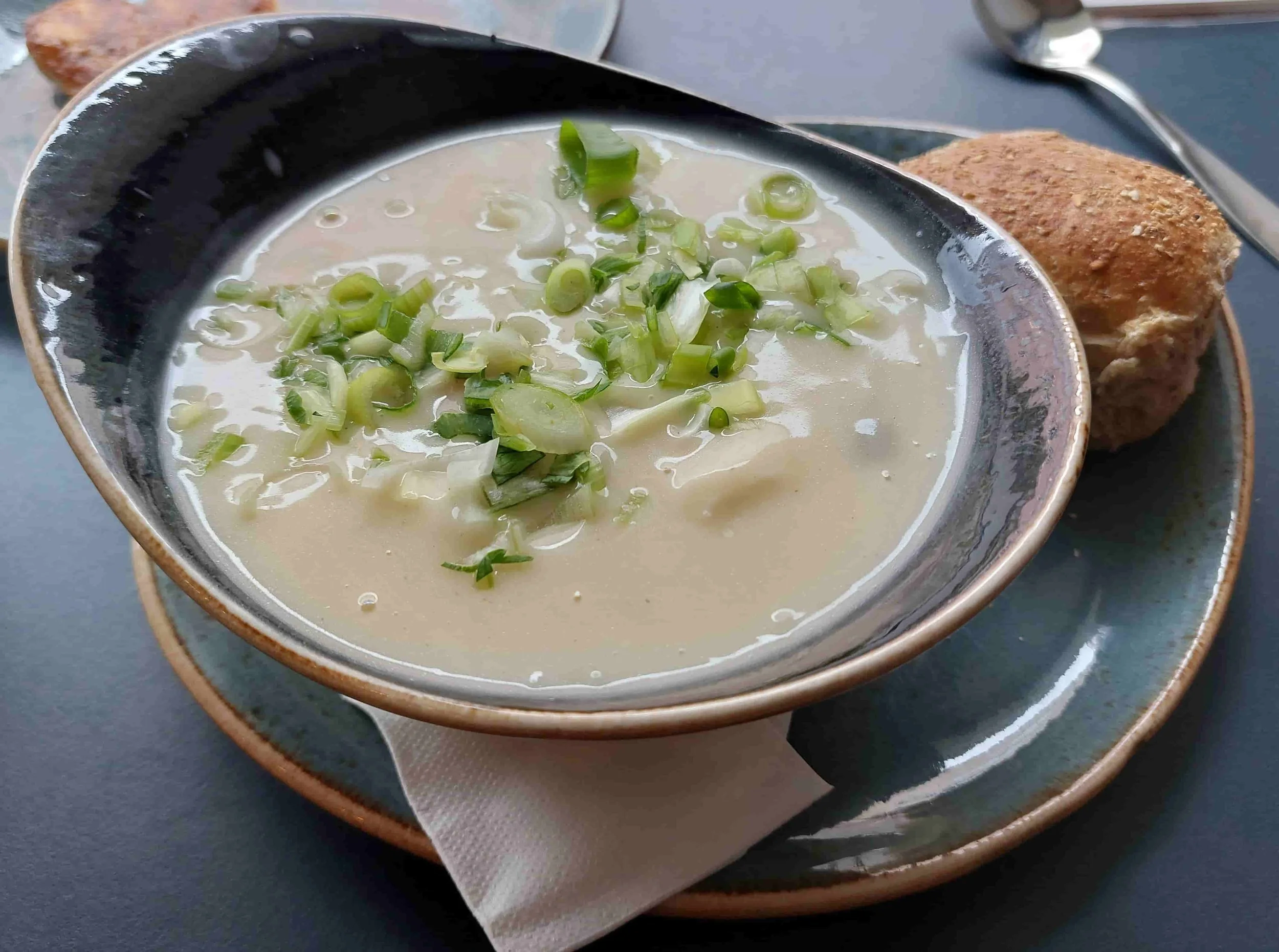
all the foods - Norway
Discover all the traditional Norwegian dishes we tried, from classic fish soup and kjøttkaker to popular hot dogs and more
Here you will find a list of all the traditional cuisine we tried in Norway.
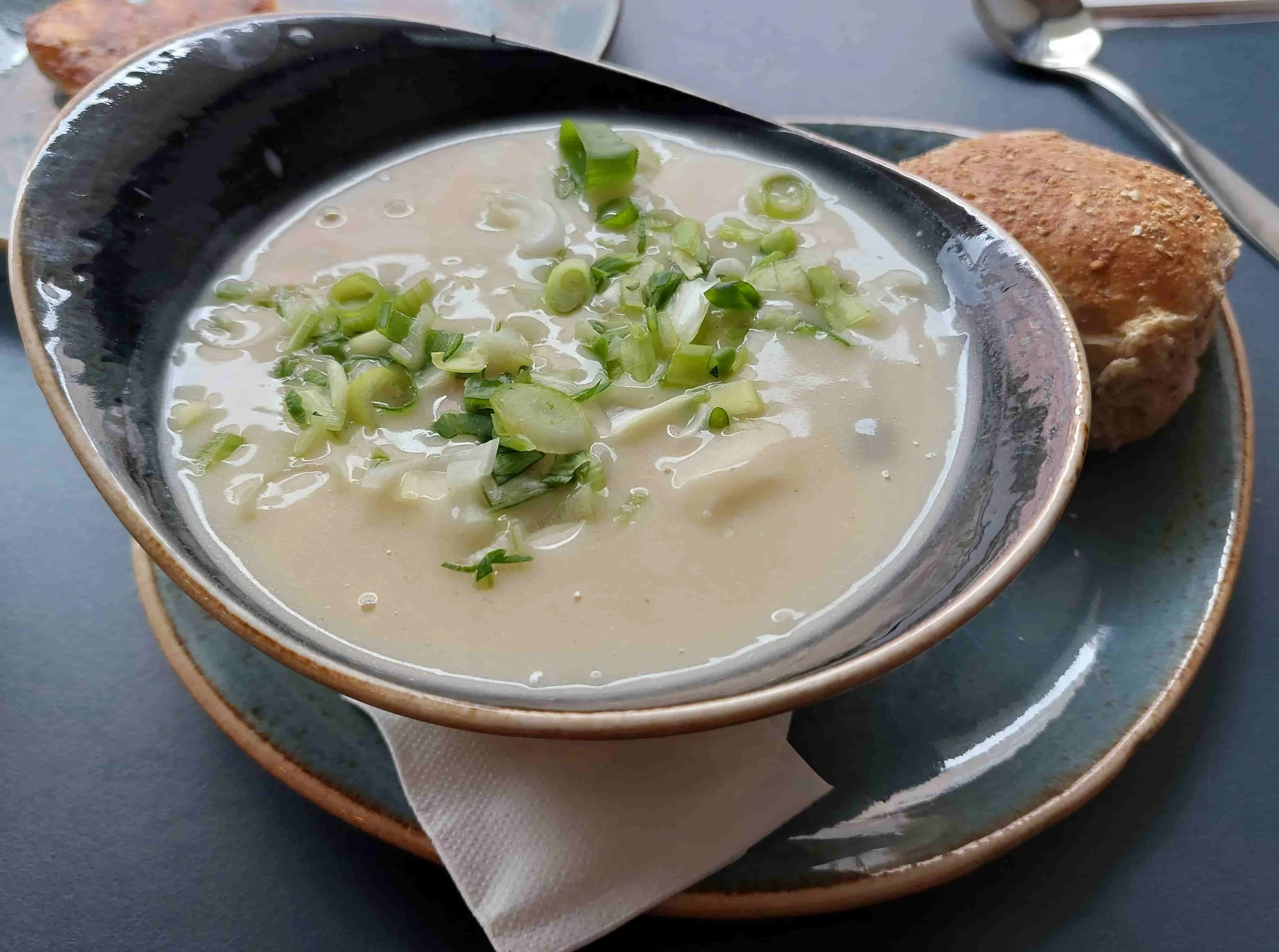
Bergensk fiskesuppe
Bergen fish soup
What is it?
As the name suggests, Bergensk Fiskesuppe is a traditional fish soup from the city of Bergen in Norway. There’s no single fixed recipe — every household and restaurant tends to have its own version. Traditionally, the stock was made from the bones of young saithe, but today it’s more common to use cod or haddock. The flavour is distinctly fishy but it’s also sour from the vinegar, sweet from the added sugar, and very creamy thanks to a generous (some would say indulgent) amount of cream.
What is in it?
While there’s no set recipe, the soup typically includes fish (unsurprisingly), root vegetables like potatoes and carrots, sour cream, and fish balls (minced white fish mixed with flour, eggs, and milk). It’s often topped with spring onions or sometimes dill and parsley, and served with bread.
Where can I eat it?
It’s ubiquitous in Bergen’s restaurants, so you really don’t have an excuse not to try it. We recommend The Hagelin Sisters, which has been serving the same fish soup recipe since 1929. They must be doing something right!
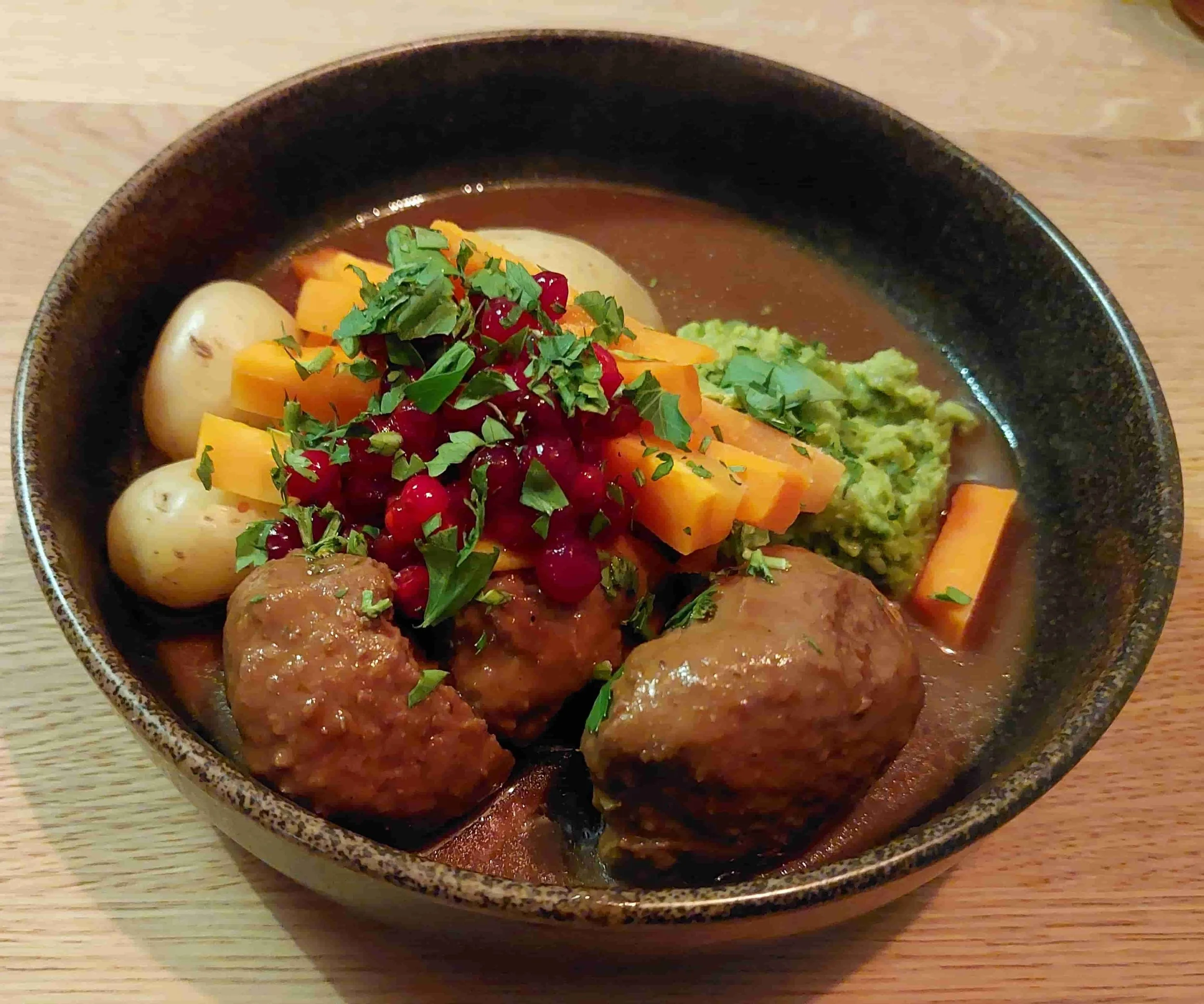
kjøttkaker
Norwegian meatballs
What is it?
Kjøttkaker, also known as Kjøttboller, are large meatballs, bigger than their more famous Swedish counterparts. They're usually served in a rich gravy alongside root vegetables like potatoes and carrots. Common sides often include mushy peas and tart lingonberries, the latter adding a sharp, fruity contrast to the meat and sauce, It's classic comfort food.
What is in it?
Traditionally made with beef, though other types of meat are sometimes used. The mixture typically includes a binder like egg, flour, and milk, seasoned with pepper, nutmeg, and ginger.
Where can I eat it?
You can easily find Kjøttkaker in restaurants throughout Norway. We had ours at Pingvinen in Bergen, and it didn’t disappoint.
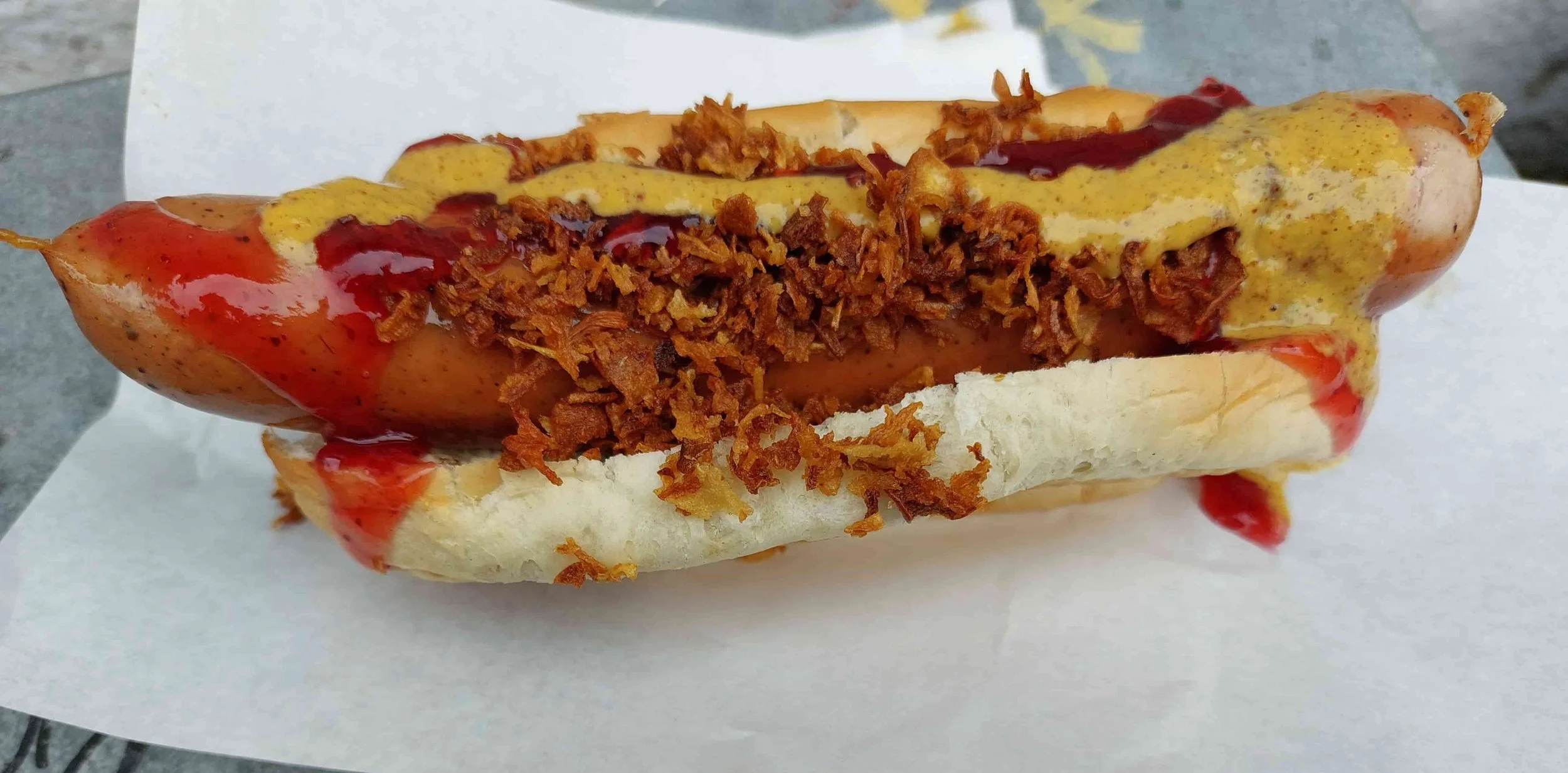
Hotdogs
bun sausage!
What is it?
It's a hotdog! But not just any hotdog… a very good hotdog! Okay, strictly speaking, hotdogs aren't originally from Norway—but the Norwegians do them so well, you'd be missing out if you didn’t try at least one while in the country (I certainly had more than one!).
What is in it?
There’s a wide variety, with different meats, including reindeer, perfect for a festive treat. They’re usually served with crispy onions and relish, but the reindeer one I tried (pictured) came with mustard and lingonberry jam, and it was absolutely delicious.
What is it?
Pretty much everywhere! You can even grab a great hotdog on the ferry and enjoy one while soaking in the stunning views of the fjords. In Bergen, Trekroneren is a famous hotdog stand offering a large selection of tasty options, and it's always busy for a reason, highly recommended!
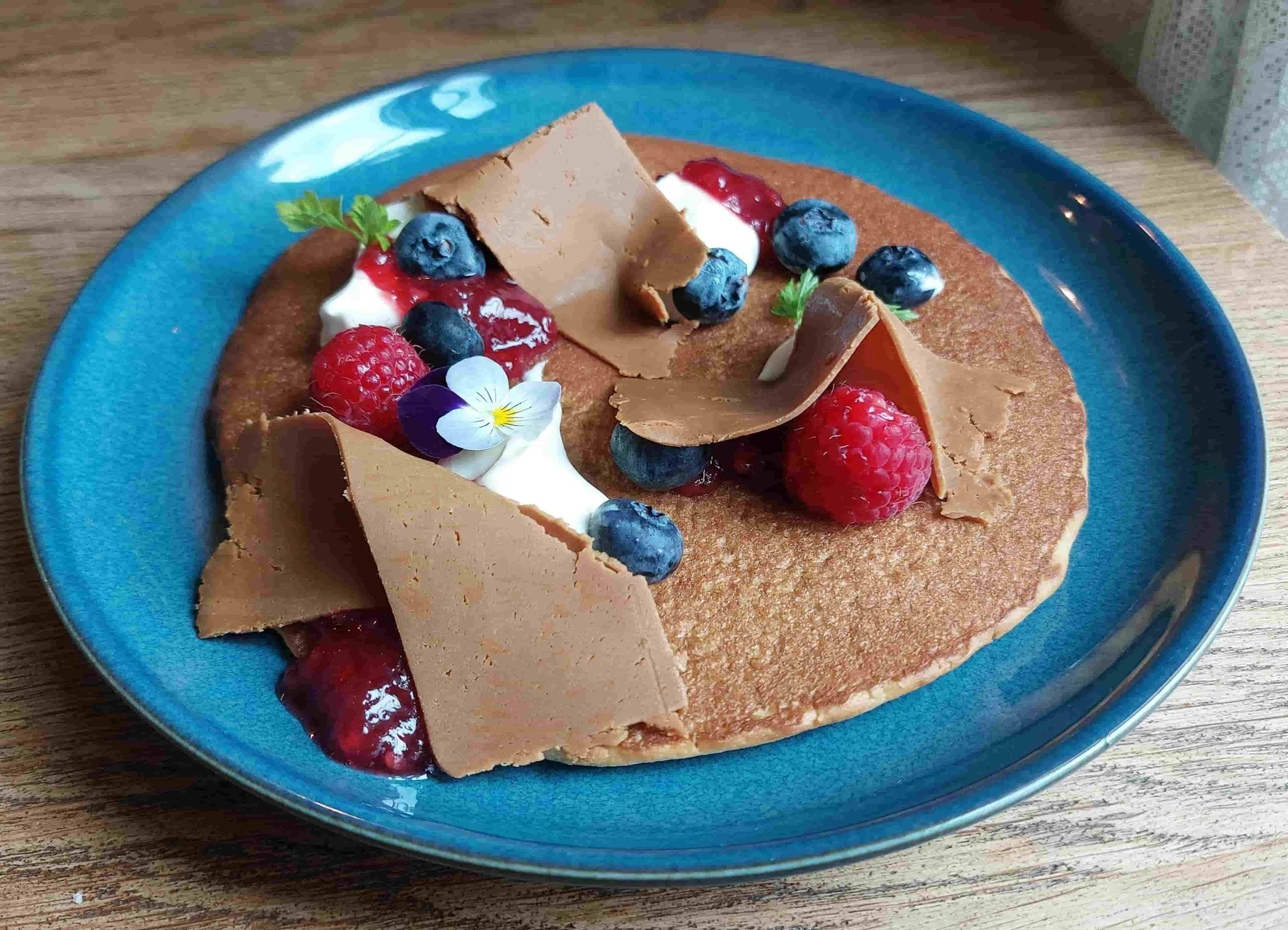
svele
Norwegian pancake
What is it?
Svele is a thick Norwegian pancake, often enjoyed as a snack with coffee in a café. It’s soft and fluffy, a little like an American pancake, and can be topped with either sweet or savoury ingredients, or sometimes both at once!
What is in it?
The pancake itself is made with eggs, butter, flour, sugar, and baking soda. Toppings vary widely, but popular choices include butter and sugar, berries, jam, sour cream, or brunost (Norwegian brown cheese).
Where can I eat it?
You’ll find svele in cafés across Norway, and it’s also a popular treat on ferries, where it’s known as fergesvele (ferry svele).
Vegetarian.

skillingsbolle
cinnamon roll
What is it?
Skillingsboller is a soft, Norwegian cinnamon roll from Bergen, known for its layers of spiced sweetness The name means “penny bun,” a nod to the old custom of naming baked goods after their price, these buns were originally sold in Bergen for one shilling (1 penny). Think cinnamon buttery goodness, there are different ways to enjoy a Skillingsbolle, but our favourite is to tear off pieces and slowly make your way to the warm, cinnamon filled centre.
What is in it?
The ingredients are simple but perfect: cinnamon, cardamom, butter, sugar, eggs, flour, milk, and yeast.
Where can I eat it?
You can find Skillingsboller in cafés all around Bergen. For a reliably good one, try Baker Brun, a well-known bakery chain throughout Norway.
Vegetarian.
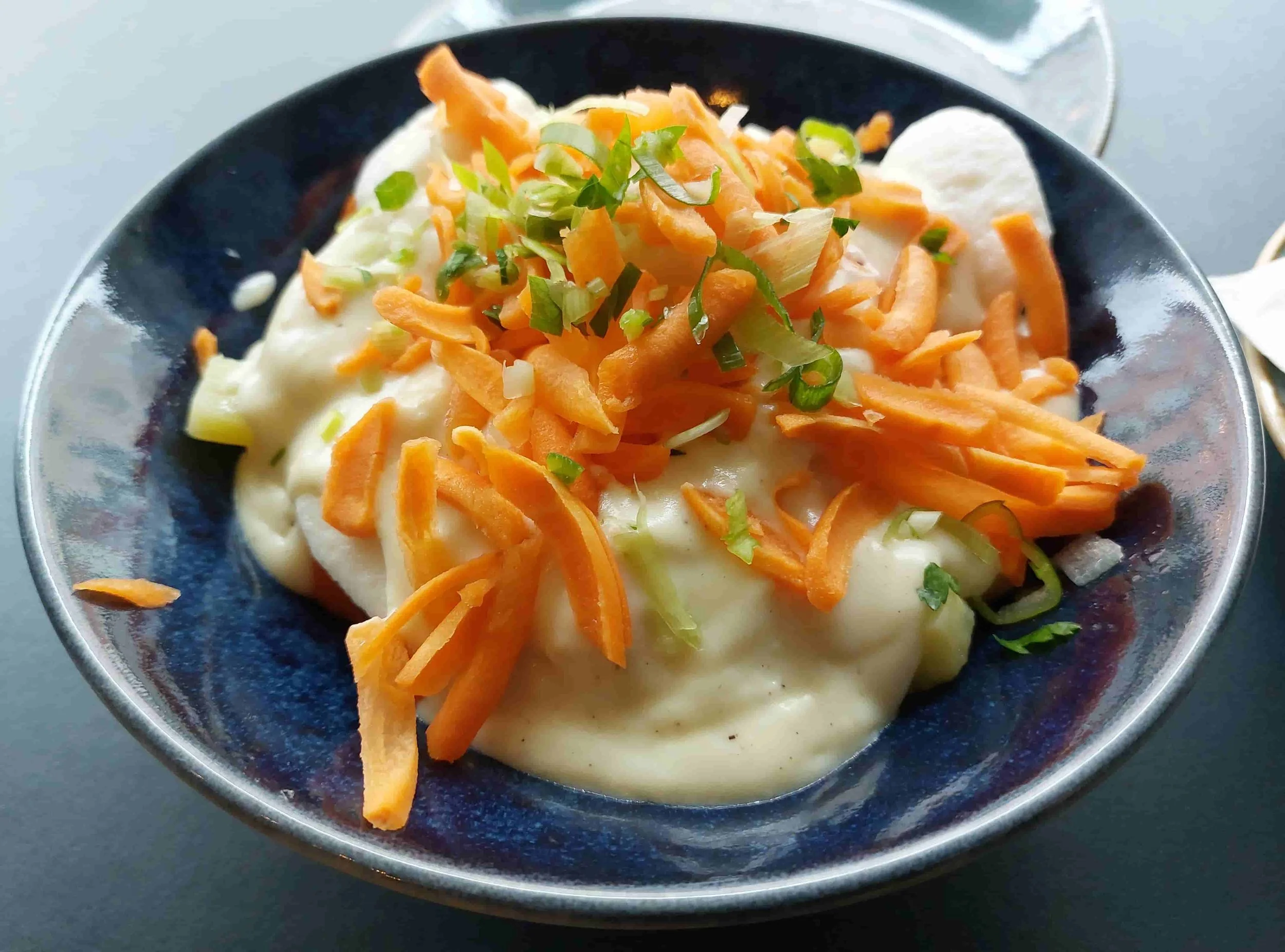
fiskeboller i hvit saus
fish balls in white sauce
What is it?
This is a very traditional Norwegian dish, so much so that Norwegian explorer Roald Amundsen, the first person to reach the North Pole, took fish balls with him on his 1918 expedition to the Northeast Passage. The fish balls themselves have a gelatinous texture and a mild fish flavour, and are typically served in a white sauce. While the sauce can be quite bland on its own, it’s sometimes spiced up with curry for extra flavour. Fish balls also make appearances in other Norwegian dishes, such as Bergensk Fiskesuppe (Bergen Fish Soup).
What is in it?
The fish balls are usually made from minced cod, pollock, or haddock mixed with potato starch, then served in a rich, creamy white sauce. Occasionally, curry powder is added to the sauce for a bit more flavour. It's often accompanied by boiled vegetables like potatoes and carrots.
Where can I eat it?
You can find Fiskeboller i hvit saus in many restaurants, either on its own or as part of other dishes like the famous Bergensk Fiskesuppe. It's also sold in cans at supermarkets, ready to be cooked and enjoyed at home.
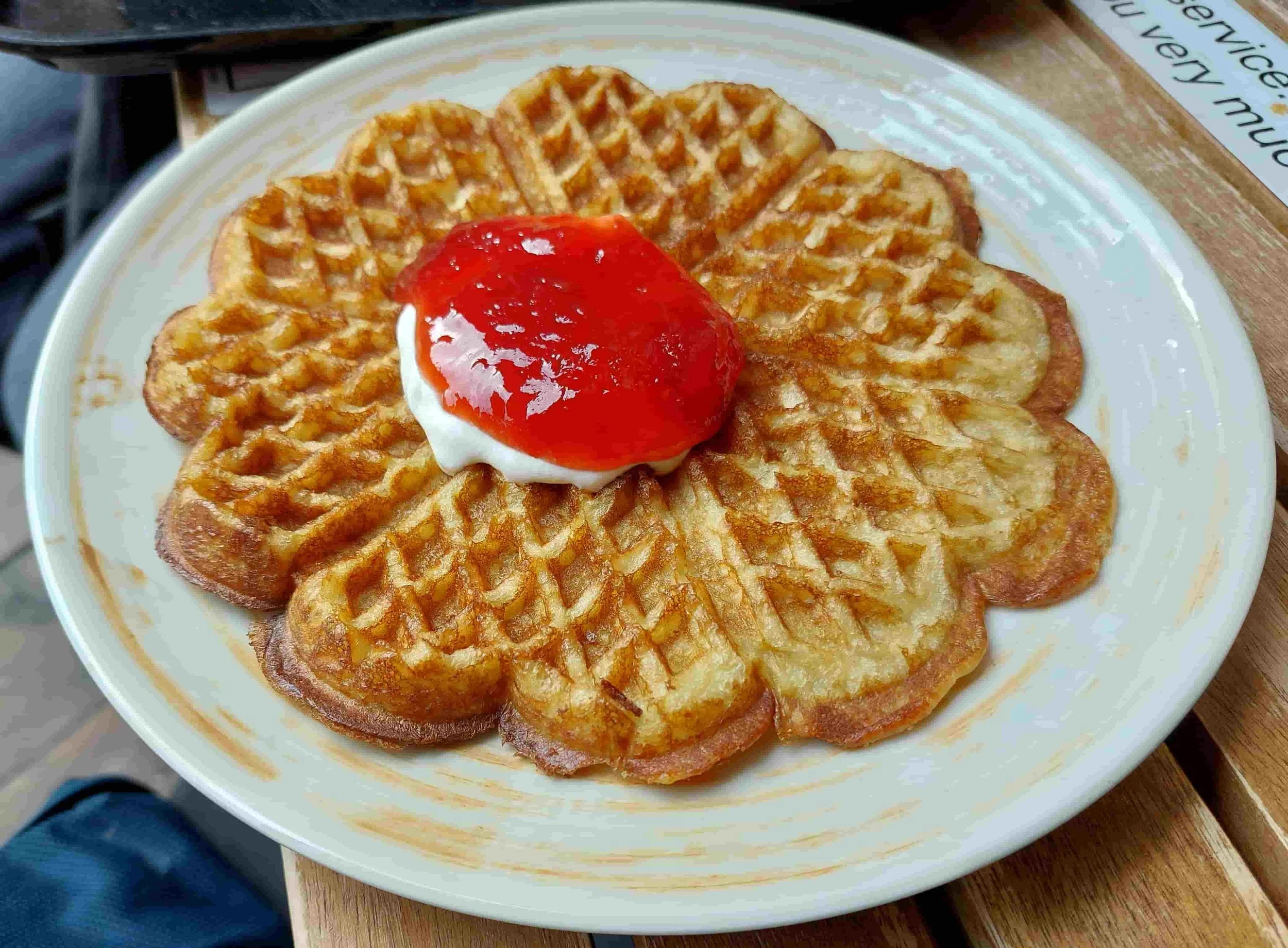
hjertevafler
heart waffles?
What is it?
Norwegians love their waffles heart shaped (pun very much intended) and enjoy them any time of day, and you should too! These waffles are soft, fluffy, and not overly sweet, making them a perfect treat for breakfast, a snack, or dessert.
What is in it?
These waffles are made with flour, baking powder, sugar, cardamom, milk, eggs, and butter. As for toppings? The options are endless! Traditional choices include jam and sour cream, berries, or the famous Brunost (brown cheese).
Where can I eat it?
Heart waffles are easy to find in cafés throughout Norway. We enjoyed some at Kaf Kafe, located in the historic Bryggen area of Bergen.
Vegetarian.
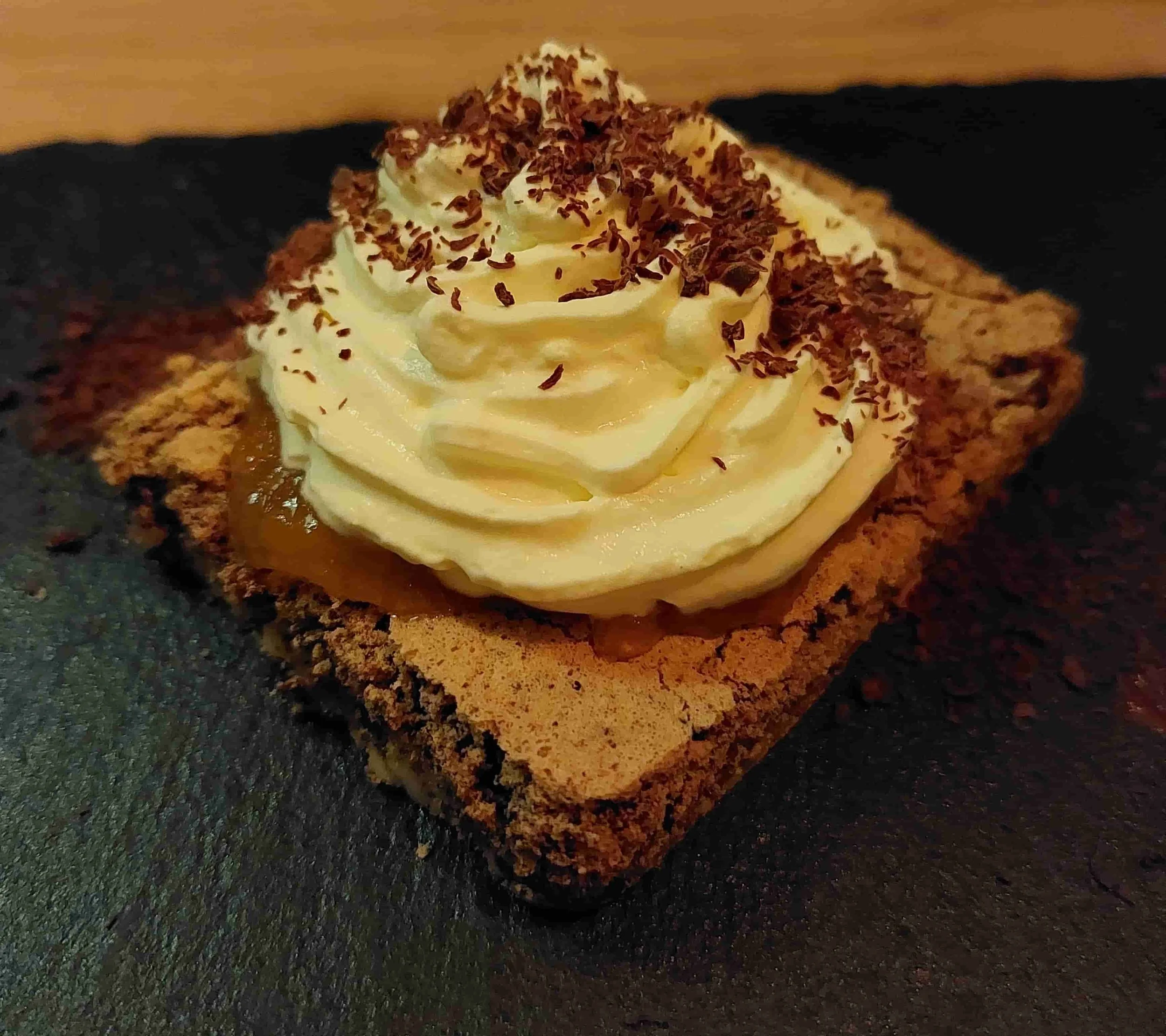
agneskake
almond & chocolate cake
What is it?
Agneskake is a traditional Norwegian cake made with chocolate and almonds. While its origins remain a bit of a mystery to me, one thing’s for sure, it’s delicious! With a rich, fudgy texture similar to a brownie, its chocolate base is perfectly balanced by a layer of zesty apricot jam and smooth cream, creating a delightful mix of flavours and textures.
What is in it?
The cake is made with ground almonds and chocolate, topped with apricot jam, cream, and sprinkled with chocolate flakes.
Where can I eat it?
We only came across Agneskake once during our travels, at Pingvinen in Bergen, where we also enjoyed Kjøttkaker.
Vegetarian.
Ingredients listed reflect common or typical components of this dish as served in restaurants or street‑food vendors. Variations by region, season, or vendor are common. This information is provided for general reference only. If you have dietary restrictions or allergies, please verify ingredient details independently. We assume no liability for accuracy or outcomes.