Here you will find a list of all the traditional cuisine we tried in the Netherlands.
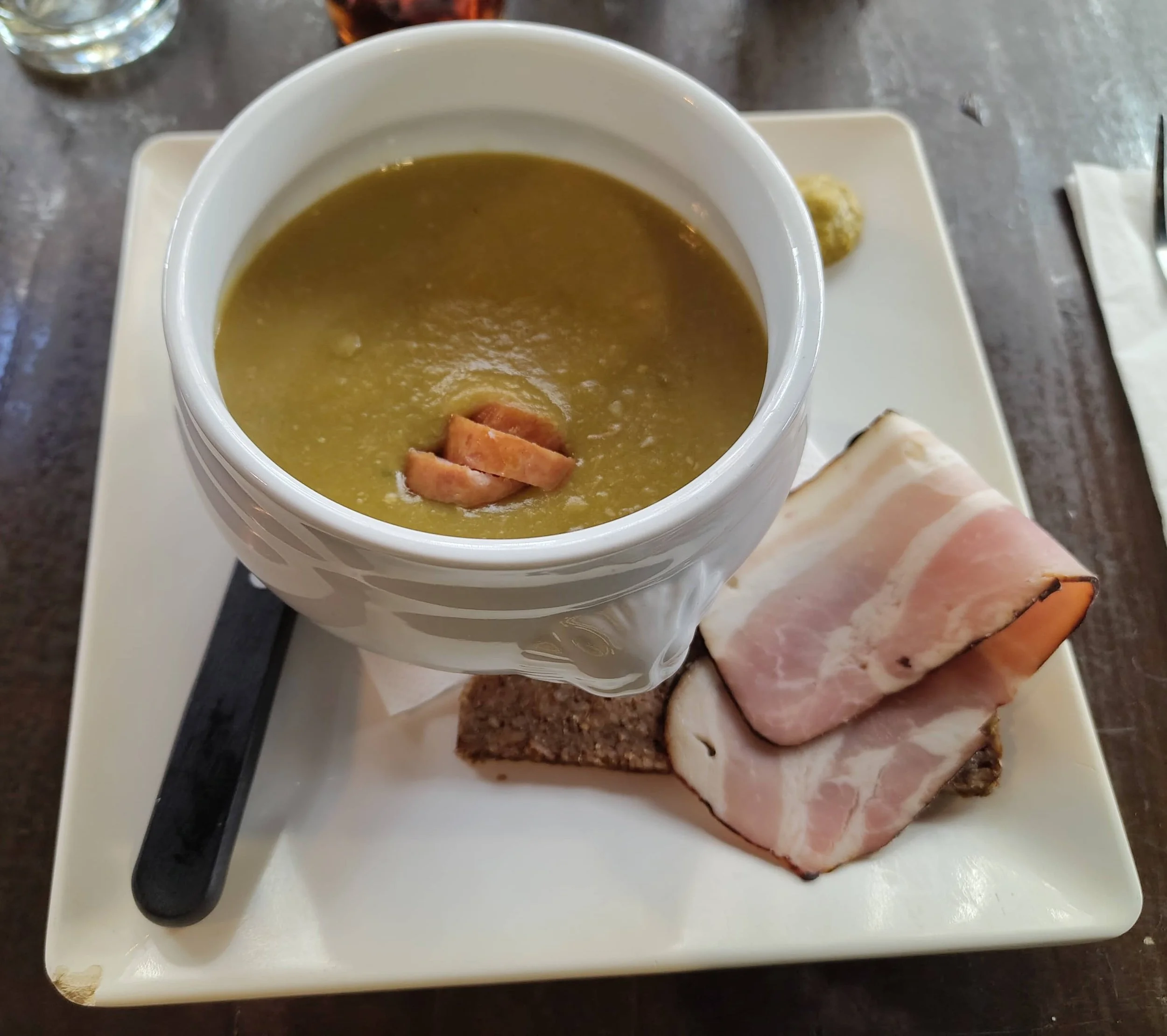
erwtensoep
pea soup
What is it?
A traditional Dutch pea soup, erwtensoep is rich, thick, salty and delicious. When the soup becomes especially thick it is often called snert, a nickname many Dutch people use for the dish. It is usually eaten during the colder months and is traditionally served with slices of smoked sausage and rye bread. In very thick versions, the soup can be almost stew like.
What is in it?
The soup is made from split peas with vegetables such as celery, leek, onion and carrot, along with pieces of pork such as pork belly or bacon and slices of smoked sausage (usually rookworst). It is typically seasoned with salt, pepper and sometimes bay leaf, and finished with chopped celeriac or parsley. It is commonly served with rye bread (roggebrood).
Where can I eat it?
It's one of the most common hot starters at traditional Dutch restaurants in the Netherlands, you shouldn't have any trouble finding it, we had a really delicious one at the pantry in Amsterdam.
Dairy & gluten free.
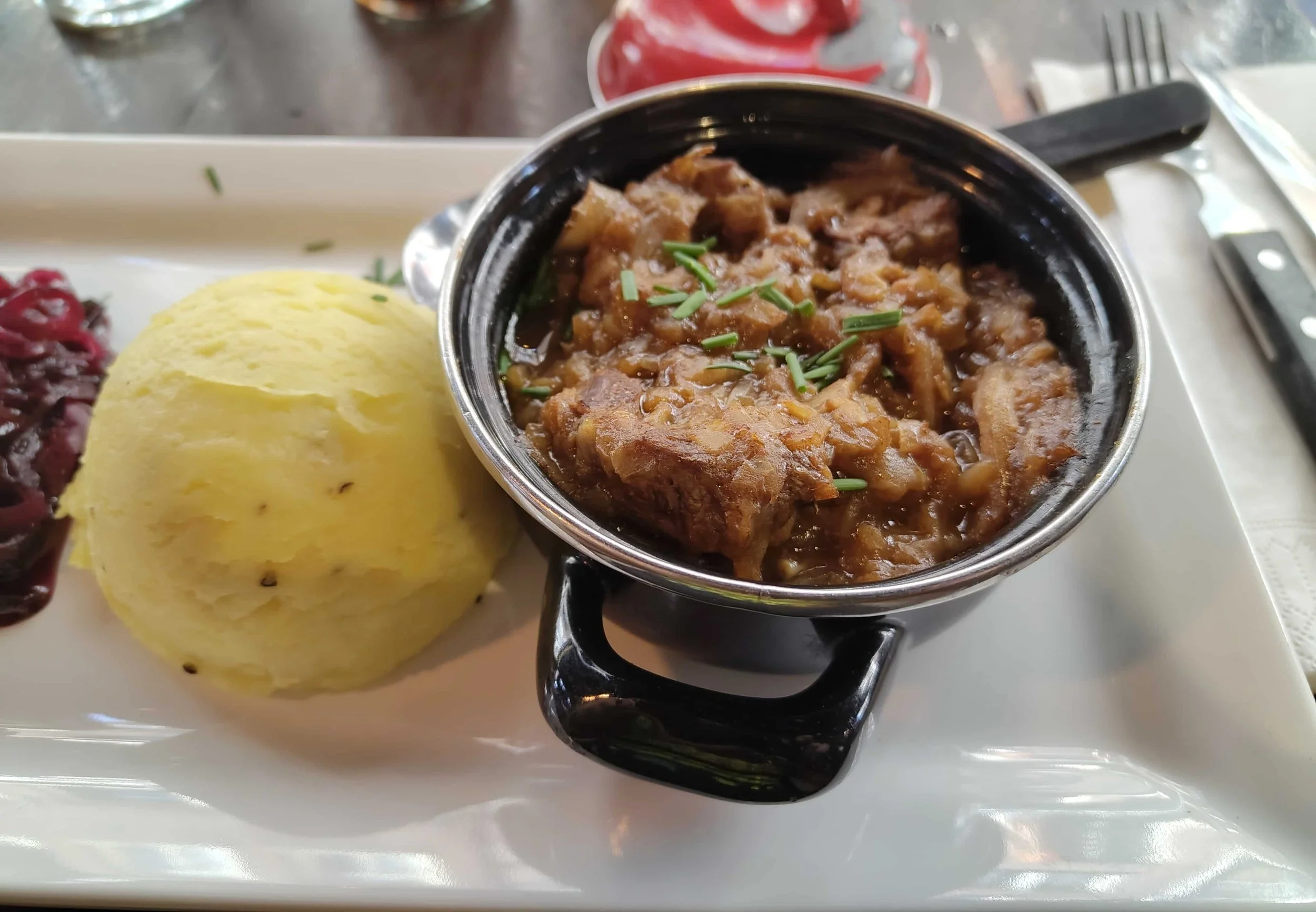
hachee
beef & onion stew
What is it?
Hachee is a traditional Dutch comfort food stew of slow cooked beef and onions (lots of onions). The stew is cooked slowly for several hours, allowing the onions to break down and become naturally sweet, creating a thick, savoury sauce around the tender meat. Vinegar and cloves are important ingredients that give hachee a slightly tangy, warm spiced flavour. Hachee is usually served with mashed potatoes and often accompanied by red cabbage or apple based side dishes.
What is in it?
Hachee is traditionally made from beef, large amounts of onions, butter or oil, vinegar, bay leaf, cloves, pepper and beef stock. Some versions also include flour to thicken the sauce, and sugar, or even gingerbread (ontbijtkoek)
Where can I eat it?
It’s fairly common at traditional Dutch restaurants, though not as ubiquitous as dishes like stamppot. In Amsterdam, you can try it at the pantry and at Moeders (only open in the evenings).
Traditionally Gluten free.
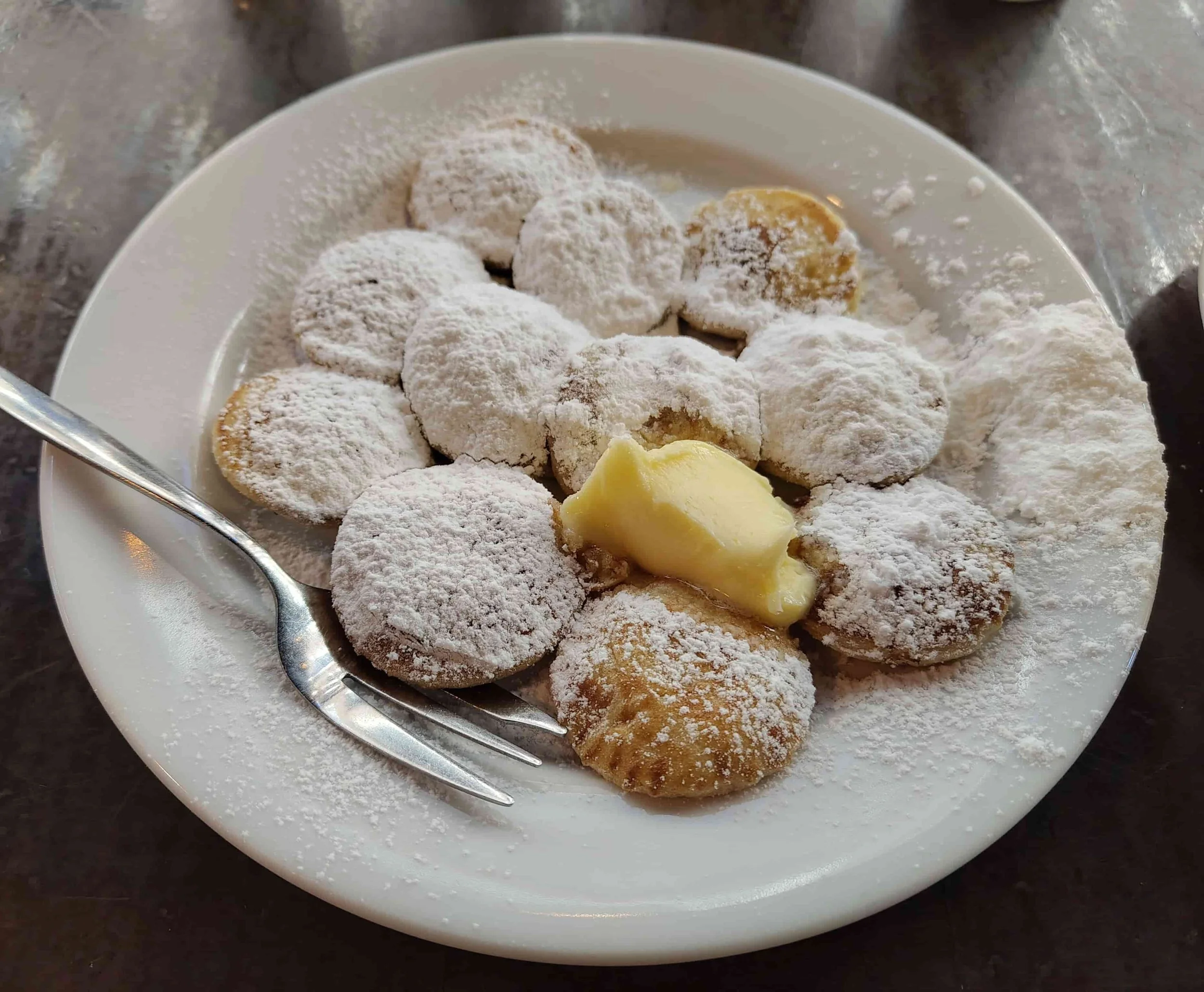
poffertjes
small pancakes
What is it?
Poffertjes are small, fluffy Dutch pancakes made in a special shallow pan that creates their distinctive round, puffed shape. They are slightly thicker and airier than regular pancakes thanks to yeast in the batter. Poffertjes are typically served as a sweet treat, most commonly topped with powdered sugar and a small knob of butter, though other toppings such as syrup, whipped cream, or fruit are also popular. Savoury versions do exist, sometimes served with cheese such as Gouda.ahappyhomeinholland+5
What is in it?
The batter is made from flour (often a mix of wheat and buckwheat flour), yeast, milk, eggs, butter, sugar, and salt. The cooked pancakes are traditionally topped with powdered sugar and butter, although many variations include syrup, whipped cream, fruit, chocolate sauce, or cheese.
Where can I eat it?
Poffertjes are widely available across the Netherlands, especially at food stalls and cafés. They are also commonly served as a dessert in traditional Dutch restaurants. In Amsterdam you can try them at the pantry, or at specialist poffertjes stands such as Pat’s Poffertjes, which has several locations in the city.
Vegetarian.
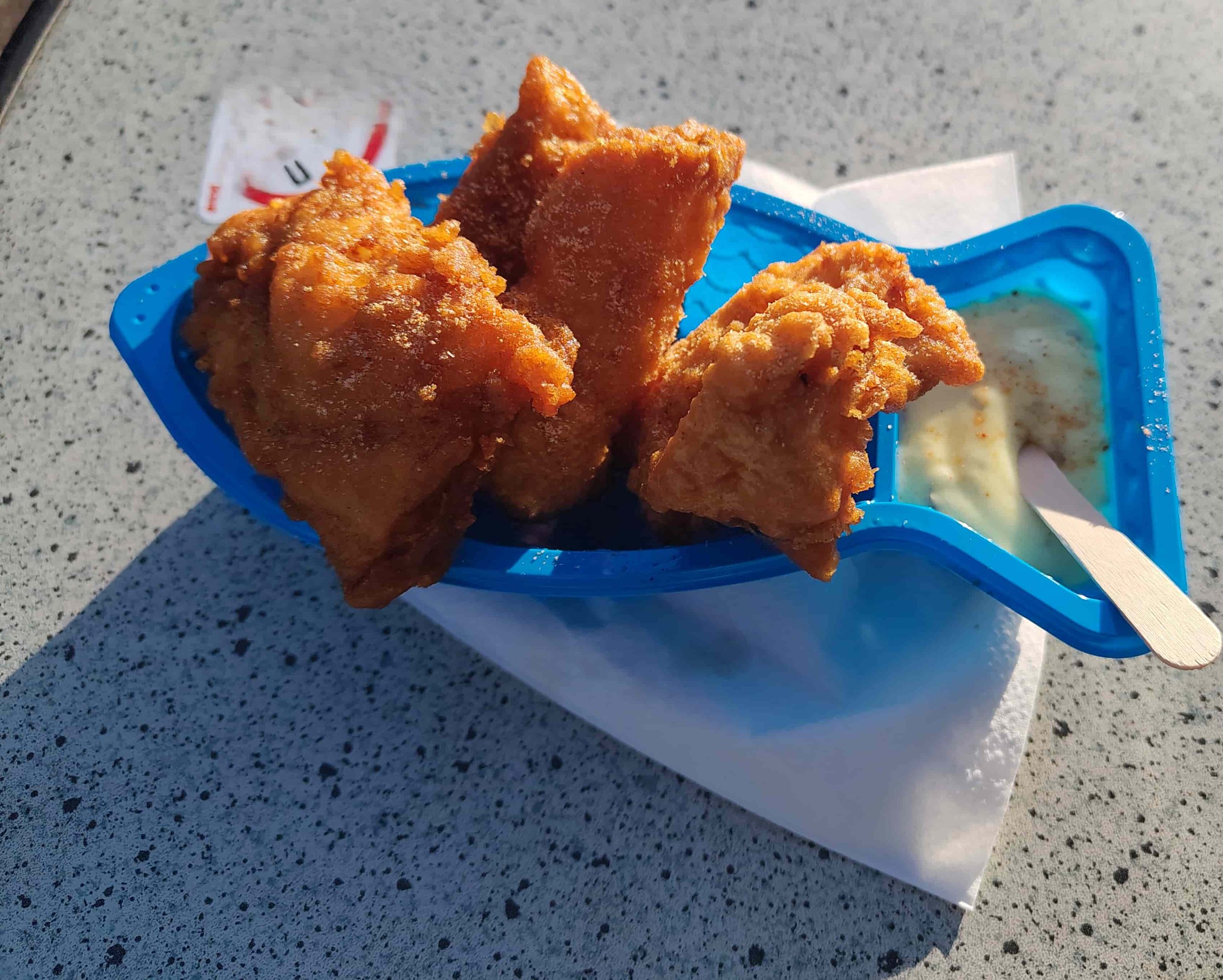
kibbeling
battered fish
What is it?
Kibbeling is a popular Dutch street food made from chunks of battered and deep‑fried white fish. It’s similar in flavour to British fish and chips, but instead of a whole fillet the fish is cut into smaller chunks before frying. It is typically served with a creamy garlic sauce or tartar-style sauce, and sometimes with lemon.
What is in it?
Kibbeling is usually made from firm white fish such as cod or pollock, though other white fish like hake may also be used. The fish pieces are coated in a batter made from flour, eggs, milk or water, and seasoning. It is commonly served with garlic sauce, remoulade, or tartar sauce.
Where can I eat it?
Kibbeling is a very popular snack throughout the Netherlands and is most commonly sold at fish stalls, markets, and seafood shops. One good place to try it in Amsterdam is Albert Cuyp Market, where several fish vendors serve freshly fried portions.
stamppot
mashed potatoes & veg
What is it?
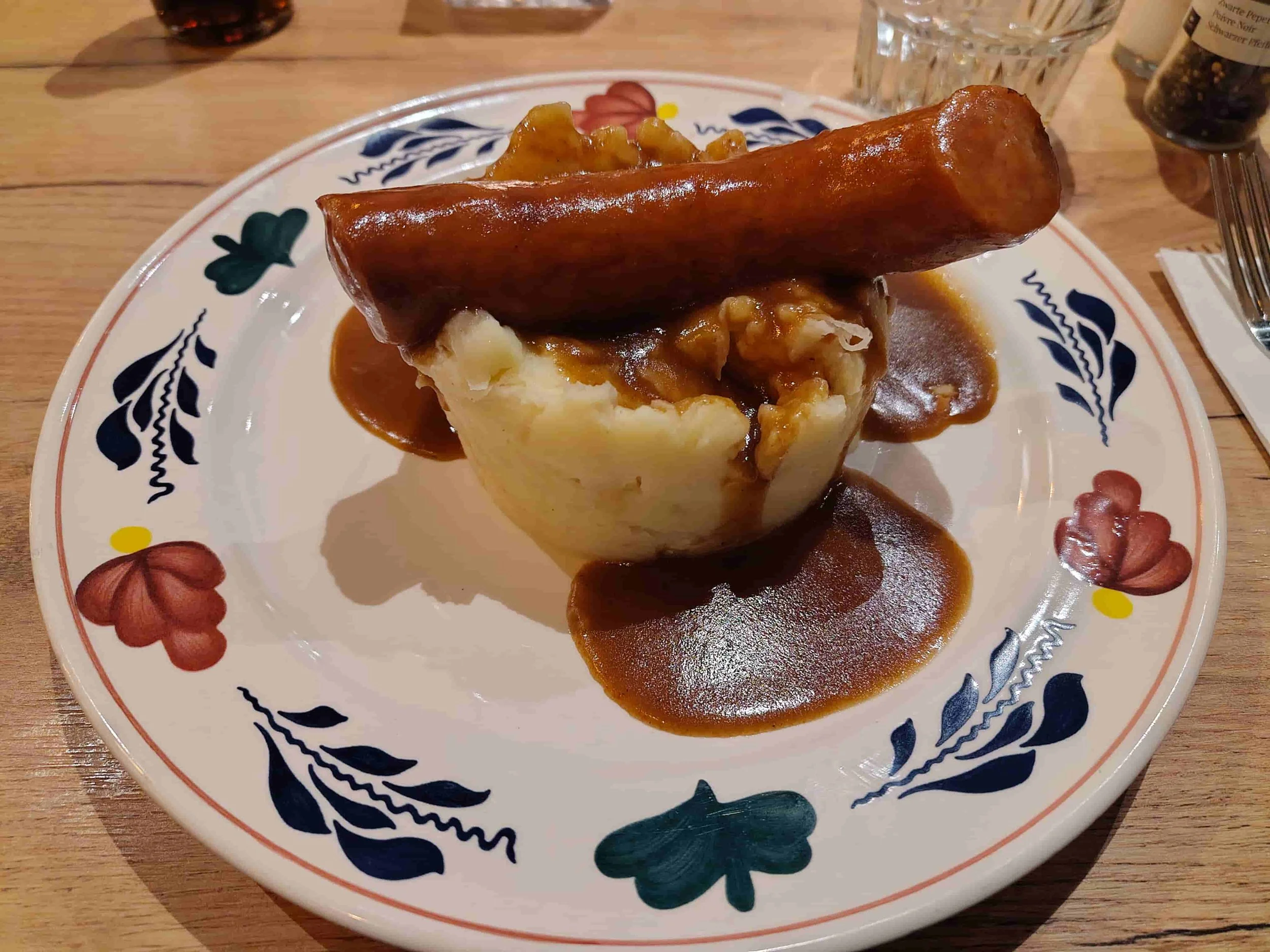
Stamppot is a traditional Dutch comfort dish made from mashed potatoes mixed with vegetables. There are several classic varieties depending on the vegetables used. One of the most traditional is boerenkoolstamppot, made with curly kale. Other well known versions include hutspot, made with carrots and onions, and zuurkoolstamppot, made with sauerkraut. Many other variations exist, including ones made with endive or other seasonal vegetables. Stamppot is typically served as a meal and is most commonly accompanied by rookworst (a smoked sausage) or meatballs.
What is in it?
The base of stamppot is potatoes mashed together with vegetables. Depending on the recipe, butter, milk, or cooking liquid may be added to make the mash smoother. Common vegetables used include curly kale, carrots, onions, sauerkraut, or endive. It is usually served with smoked sausage, meatballs, and gravy on the side.
Where can I eat it?
Stamppot is one of the most common dishes in traditional Dutch restaurants. Some restaurants even specialise in it, such as Stamppot Amsterdam, but most traditional Dutch eateries will offer at least one variety.
Vegetarian versions exist, and the base can be gluten free, although accompaniments usually are not.
kapsalon
döner & fries platter
What is it?
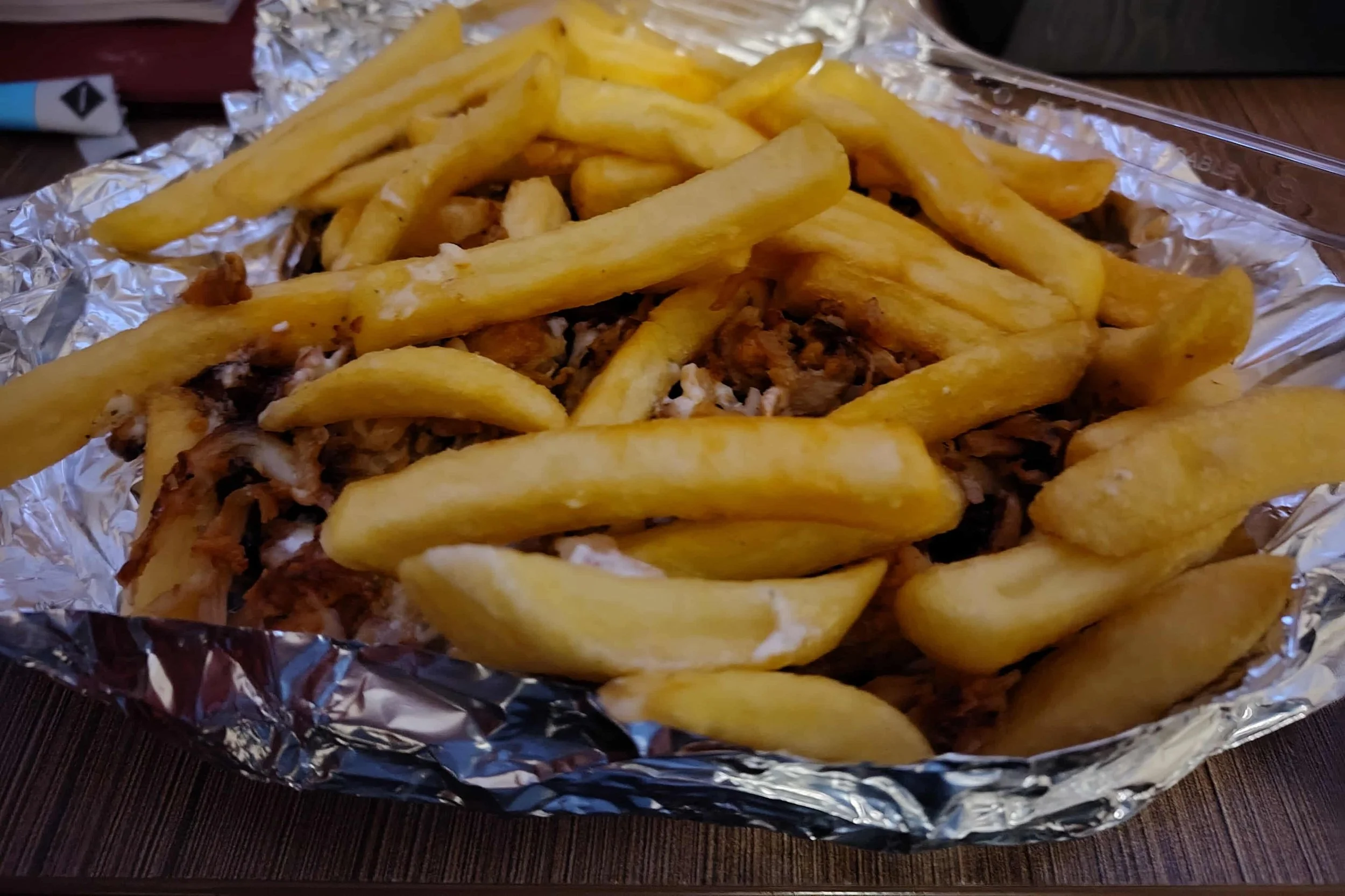
Kapsalon is a popular Dutch fast food dish made from layers of fries topped with döner kebab meat and melted cheese, then finished with fresh salad and sauces. The dish usually includes lettuce, tomato, garlic sauce, and spicy sambal.
The name kapsalon means “hairdresser” in Dutch. It was reportedly invented in Rotterdam by a hairdresser who asked his local kebab shop to combine all his favourite ingredients into one tray. It has since become a favourite late night takeaway meal, especially after a night out.
What is in it?
Kapsalon typically consists of french fries topped with döner meat, usually lamb, beef, or chicken, and melted Gouda cheese. After baking, it is topped with lettuce, tomato, sometimes onion, and finished with garlic sauce and spicy Indonesian sambal.
Where can I eat it?
Kapsalon is a common option at kebab shops and takeaway restaurants throughout the Netherlands. In Amsterdam you can find it at places such as Sinbad, which serves a popular version.
rookworst
smoked sausage
What is it?
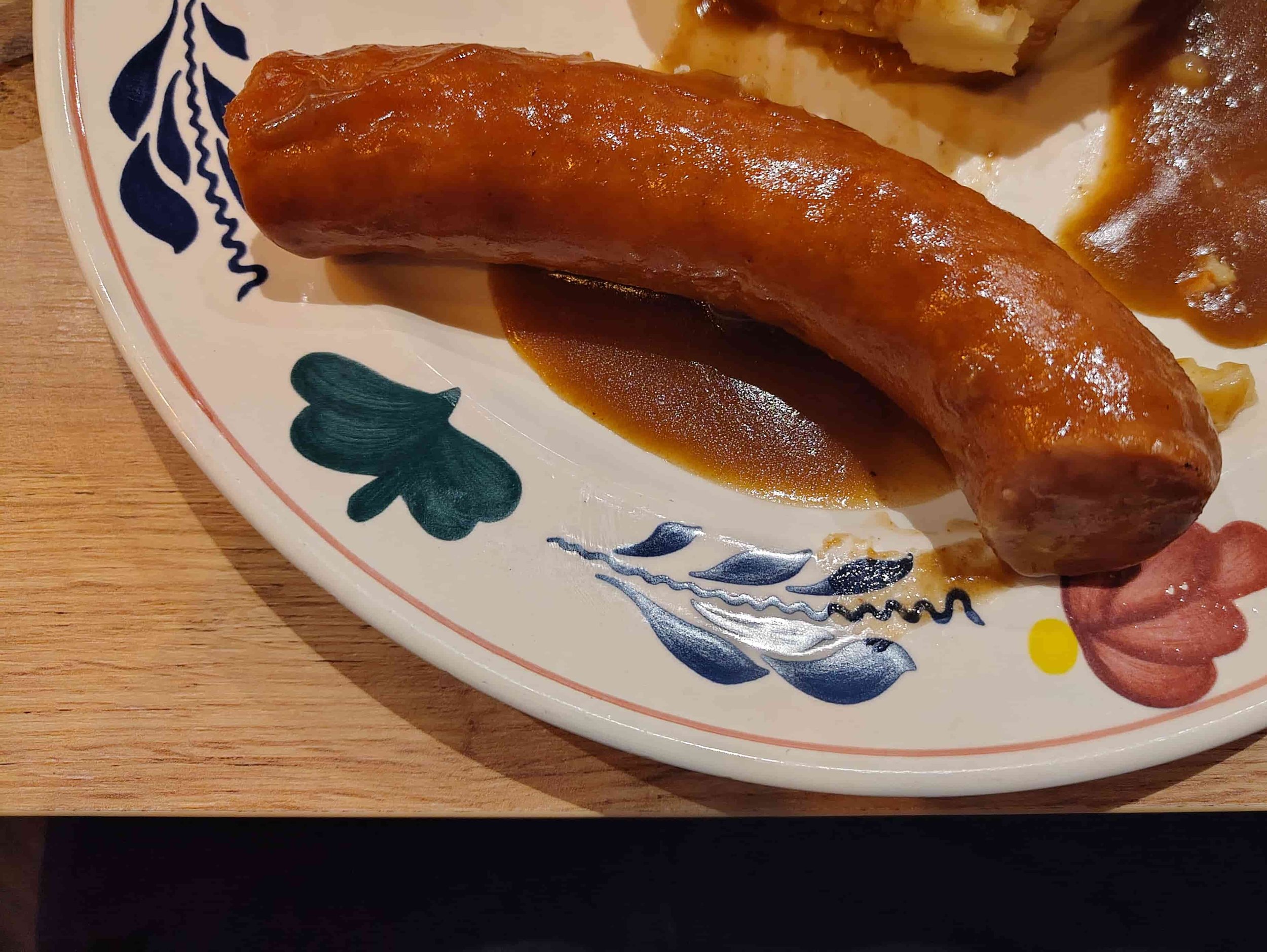
Rookworst is a traditional Dutch smoked sausage, usually made from pork, though some versions also include beef or veal. It has a soft, juicy texture and a distinctive smoky flavour. The sausage is usually gently heated rather than fried and is most commonly served alongside stamppot, the classic Dutch mashed potato and vegetable dish.
What is in it?
Rookworst is typically made from ground pork mixed with salt, spices and seasonings, then smoked to give it its characteristic flavour. Common spices include white pepper, nutmeg, coriander, ginger and cloves.
Where can I eat it?
Rookworst is very common in traditional Dutch restaurants, where it is often served alongside stamppot. In Amsterdam you can find it at places such as Stamppot Amsterdam or the pantry.
Traditionally dairy & gluten free.
slavink
bacon wrapped mince
What is it?
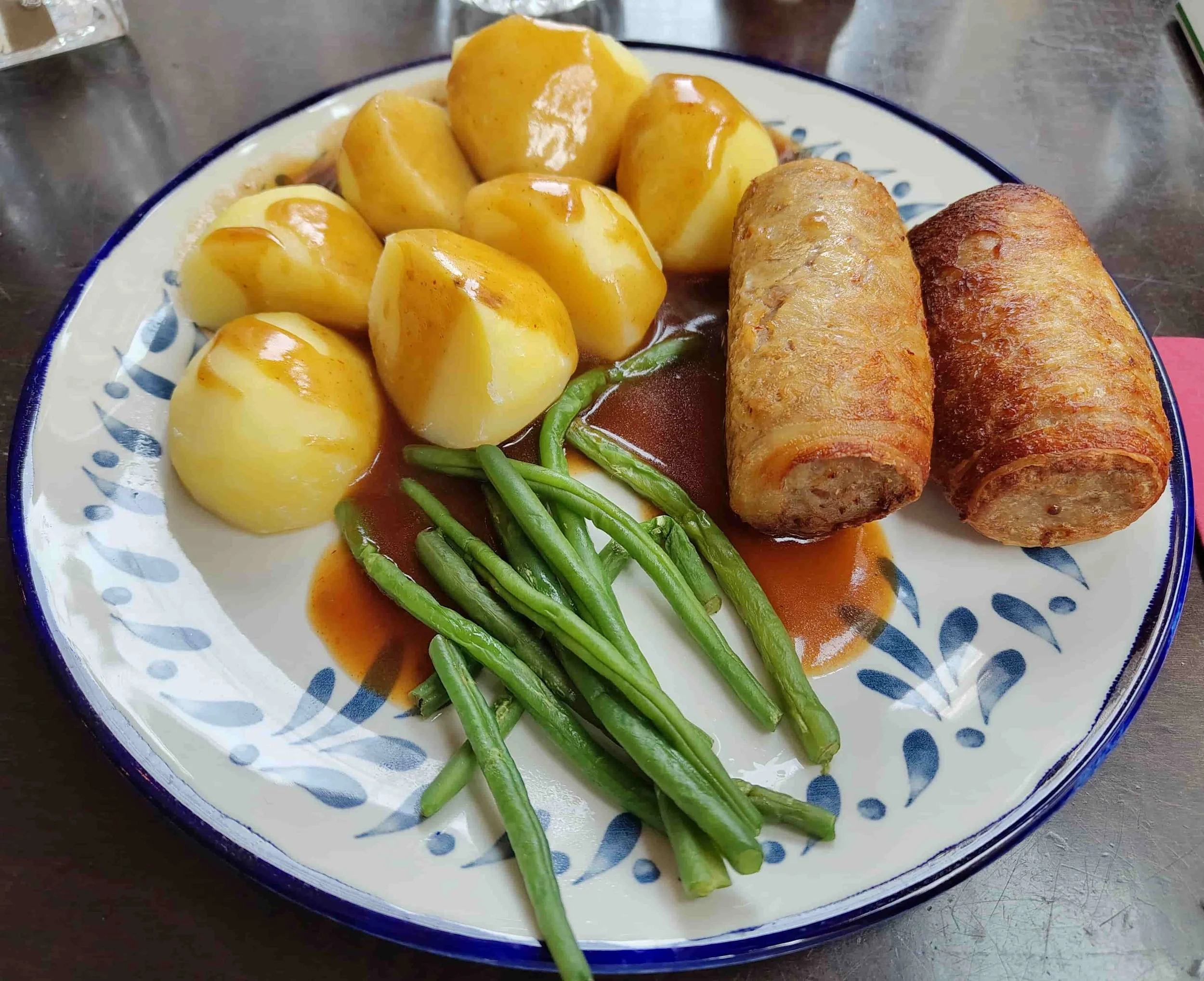
Slavink is a traditional Dutch meat dish made from seasoned minced meat shaped like a sausage and wrapped in bacon. It is typically pan‑fried until the bacon becomes crispy while the meat inside stays juicy, and is usually served as part of a classic Dutch dinner with potatoes, vegetables, and gravy.
What is in it?
Slavink is typically made from minced pork and beef, seasoned and formed into a sausage like shape, then wrapped in bacon before being cooked.
Where can I eat it?
Slavink can be found on the menus of many traditional Dutch restaurants, though it is not quite as common as dishes like stamppot and rookworst. In Amsterdam it is served at traditional eateries such as De Blauwe Hollander.
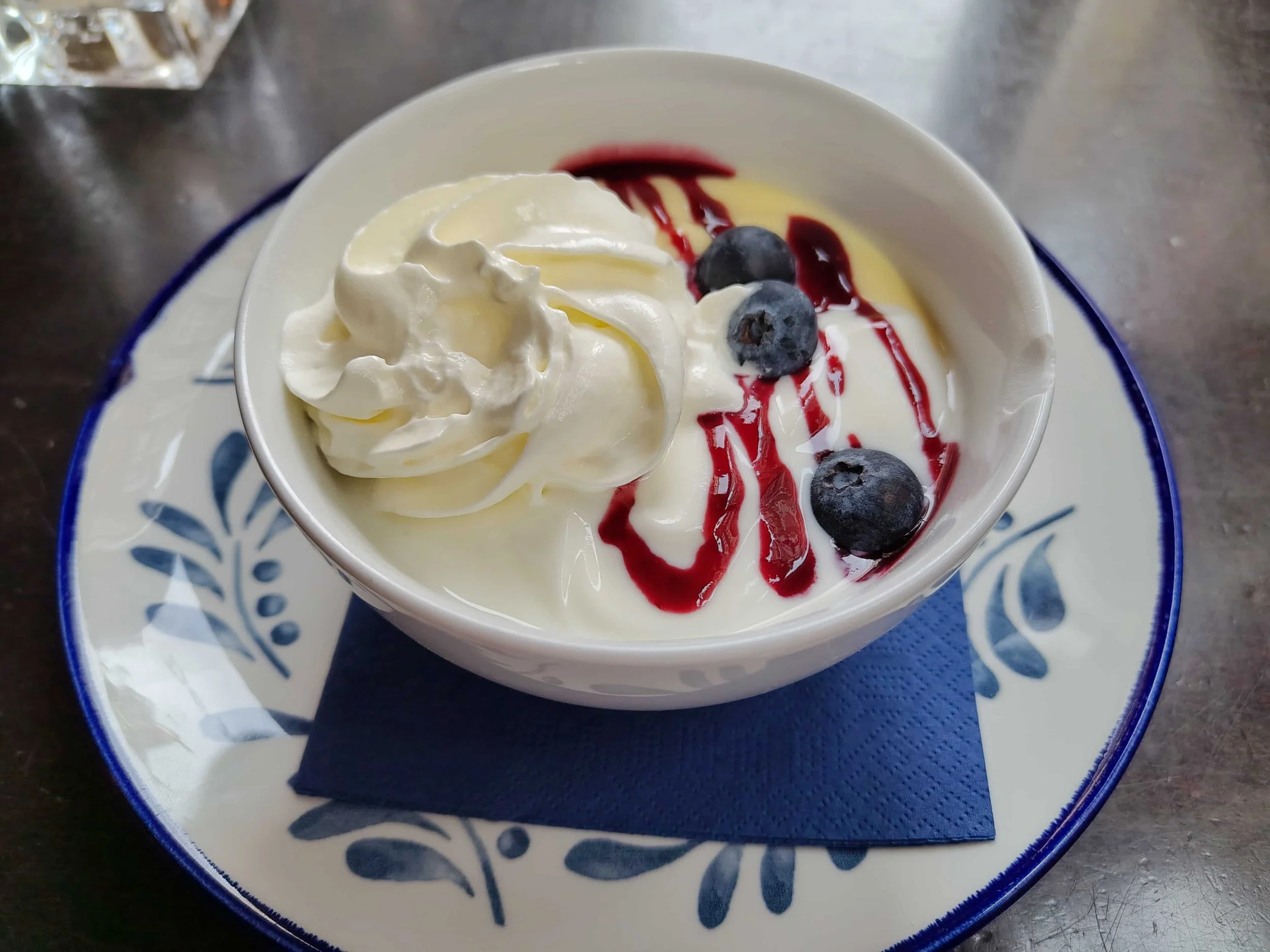
vlaflip
custard, yoghurt dessert
What is it?
Vlaflip is a classic Dutch dessert made by layering vanilla custard, yoghurt and fruit syrup. It’s colourful, creamy and slightly tangy, making for a light and refreshing dessert after a filling Dutch meal.
What is in it?
Vlaflip usually contains vanilla custard (vla), yoghurt and fruit syrup such as strawberry or raspberry. Some versions also include pieces of fruit.
Where can I eat it?
Vlaflip appears on the menus of traditional Dutch restaurants, such as De Blauwe Hollander in Amsterdam. However, it’s more common as a homemade dessert, and ready made versions can also be found in supermarkets across the Netherlands.
Vegetarian & gluten free.
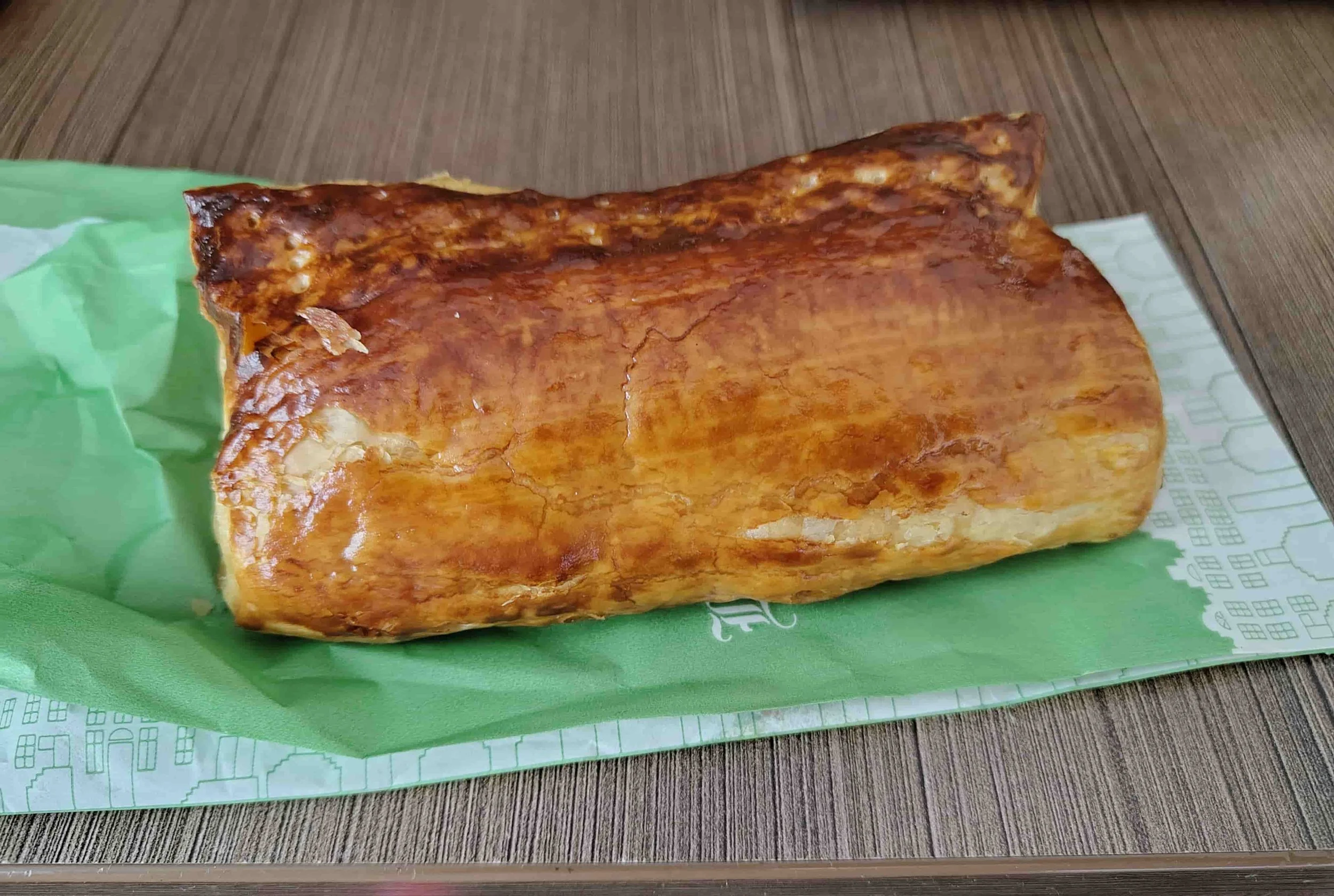
saucijzenbroodje
sausage in puff pastry
What is it?
A saucijzenbroodje is a classic Dutch sausage roll made from seasoned sausage meat wrapped in flaky puff pastry. It’s very similar to the British bakery classic and is best enjoyed fresh and warm.
These savoury pastries are a popular snack or quick lunch, often found in bakeries, train stations, and cafés across the Netherlands.
What is in it?
Saucijzenbroodjes usually contain seasoned minced meat, most commonly pork or a pork-beef mixture, wrapped in puff pastry. The filling is typically seasoned with ingredients such as pepper, nutmeg, and sometimes onion.
Where can I eat it?
They are widely available at bakeries and cafés throughout the Netherlands. We would recommend Lanskroon Bakery in Amsterdam, where we had an excellent one.

frikandel
fried sausage
What is it?
Frikandel is one of the most popular Dutch fast food snacks. It’s a deep fried, skinless sausage that is usually eaten with fries or served in a soft bun. A common variation is frikandel speciaal, where the sausage is cut lengthwise and topped with mayonnaise, curry ketchup and chopped onions. It’s a staple of Dutch snack bars and late night takeaway places.
What is in it?
Frikandel is typically made from finely minced mixed meats, usually chicken and pork, and sometimes beef. The meat mixture is blended with spices, breadcrumbs and seasonings, then shaped into a sausage and deep fried
Where can I eat it?
Frikandel is widely available at snack bars and fast food counters across the Netherlands. A famous place to try it is at one of the many FEBO locations across Amsterdam, where you can buy one hot from a vending machine style wall using your card.
Dairy free.
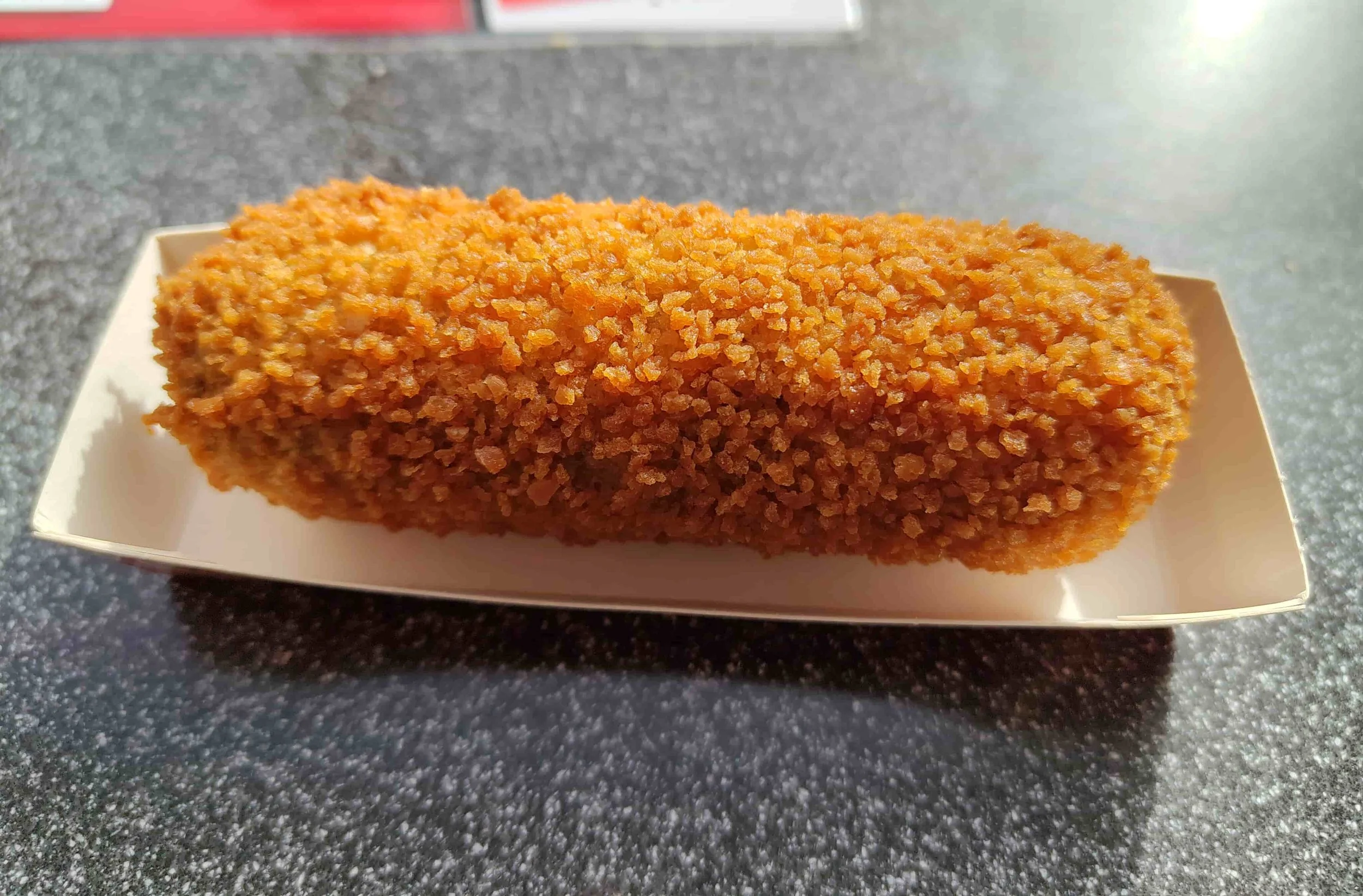
kroketten & bitterballen
filled fried fritter
What is it?
Kroketten are very popular Dutch deep fried snacks. They are crispy on the outside with a soft, creamy filling inside, typically made from a thick ragout.
Bitterballen are essentially the same snack, but smaller and round rather than cylindrical. While kroketten are commonly eaten as a takeaway snack, served with fries or inside a soft white bun (broodje kroket) with mustard, bitterballen are most often enjoyed as a bar snack in pubs, cafés and restaurants. They are traditionally served with mustard alongside a beer or another drink.
What is in it?
Traditional kroketten and bitterballen are made with a ragout filling of beef or veal, mixed with stock, flour, butter and seasonings to create a thick paste. The mixture is shaped into cylinders for kroketten and small balls for bitterballen, then coated in breadcrumbs and deep fried.
Although beef is the classic filling, modern variations include chicken, shrimp, cheese and vegetarian versions.
Where can I eat it?
Kroketten are extremely common in Dutch snack bars and takeaways throughout the Netherlands. You’ll also find them at FEBO, where they can be bought hot from the famous vending machine style snack wall.
Bitterballen are widely available in pubs, cafés and traditional restaurants across the country, where they are commonly served as a shared snack with mustard, particularly alongside a beer.
Vegetarian versions available.
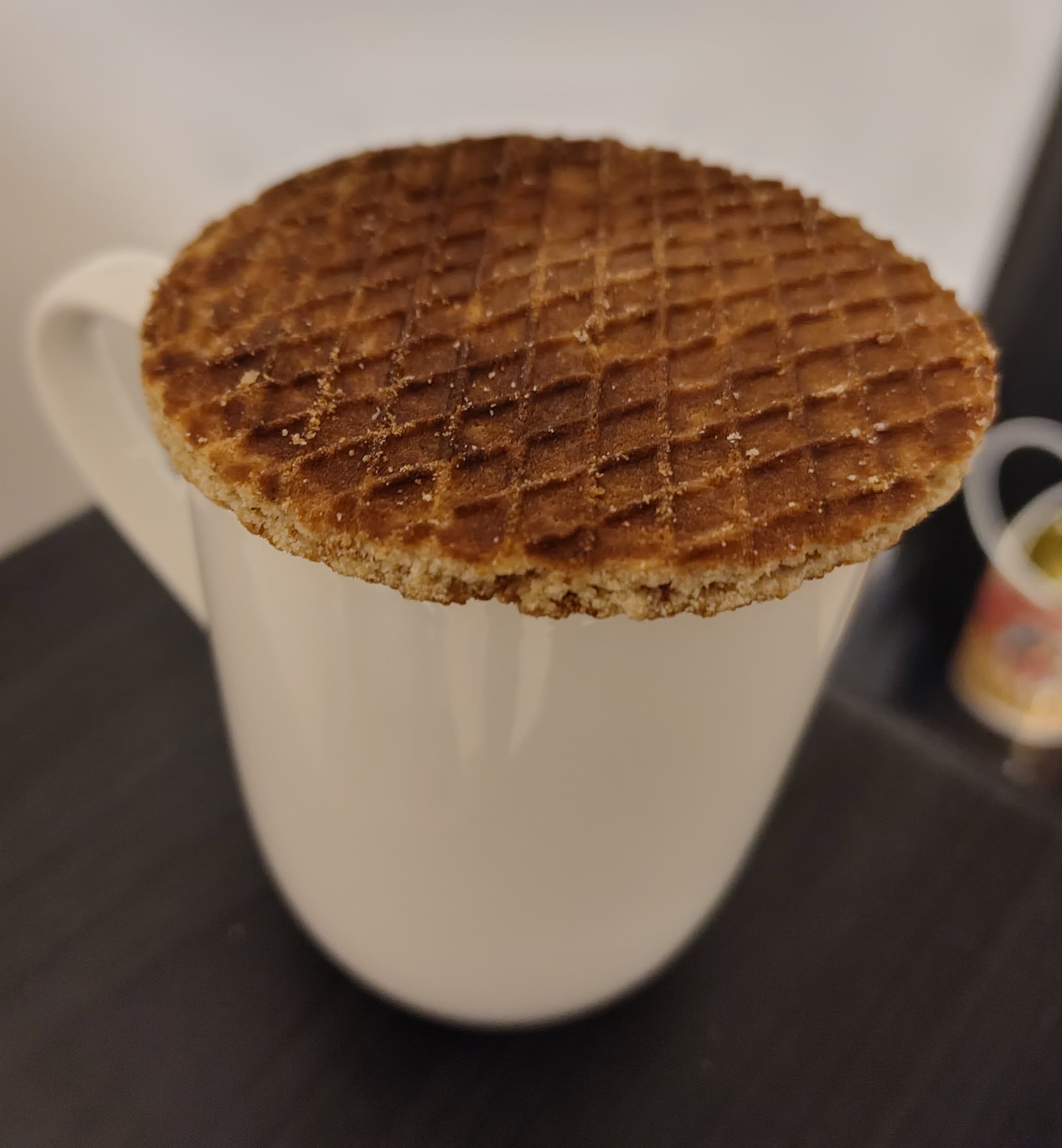
stroopwafel
caramel biscuit
What is it?
A stroopwafel is one of the Netherlands’ most famous sweet snacks. It is a thin, round waffle biscuit filled with sticky caramel syrup (stroop) sandwiched between two layers of baked dough. The result is a sweet, chewy treat that is especially popular with coffee or tea.
Stroopwafels are sold freshly made at market stalls, bakeries and shops specialising in them, as well as pre packaged in supermarkets. A popular way to eat a packaged stroopwafel is to place it over a hot cup of coffee or tea for a few minutes. This gently warms the caramel filling and makes it soft and gooey again.
What is in it?
Stroopwafels are made from wheat flour, butter, sugar, eggs, yeast and milk for the waffle dough. The filling is made from caramel syrup, usually prepared with sugar, butter and syrup based sweeteners such as treacle, molasses or glucose syrup. Cinnamon or other spices may also be added.
Where can I eat it?
Fresh stroopwafels are commonly sold at street markets, bakeries and speciality waffle stalls across the Netherlands. In Amsterdam, you can try them at Hans Egstorf Stroopwafels, where they are made fresh and served warm. Packaged stroopwafels are also widely available in supermarkets and are commonly taken home as souvenirs.
Vegetarian.
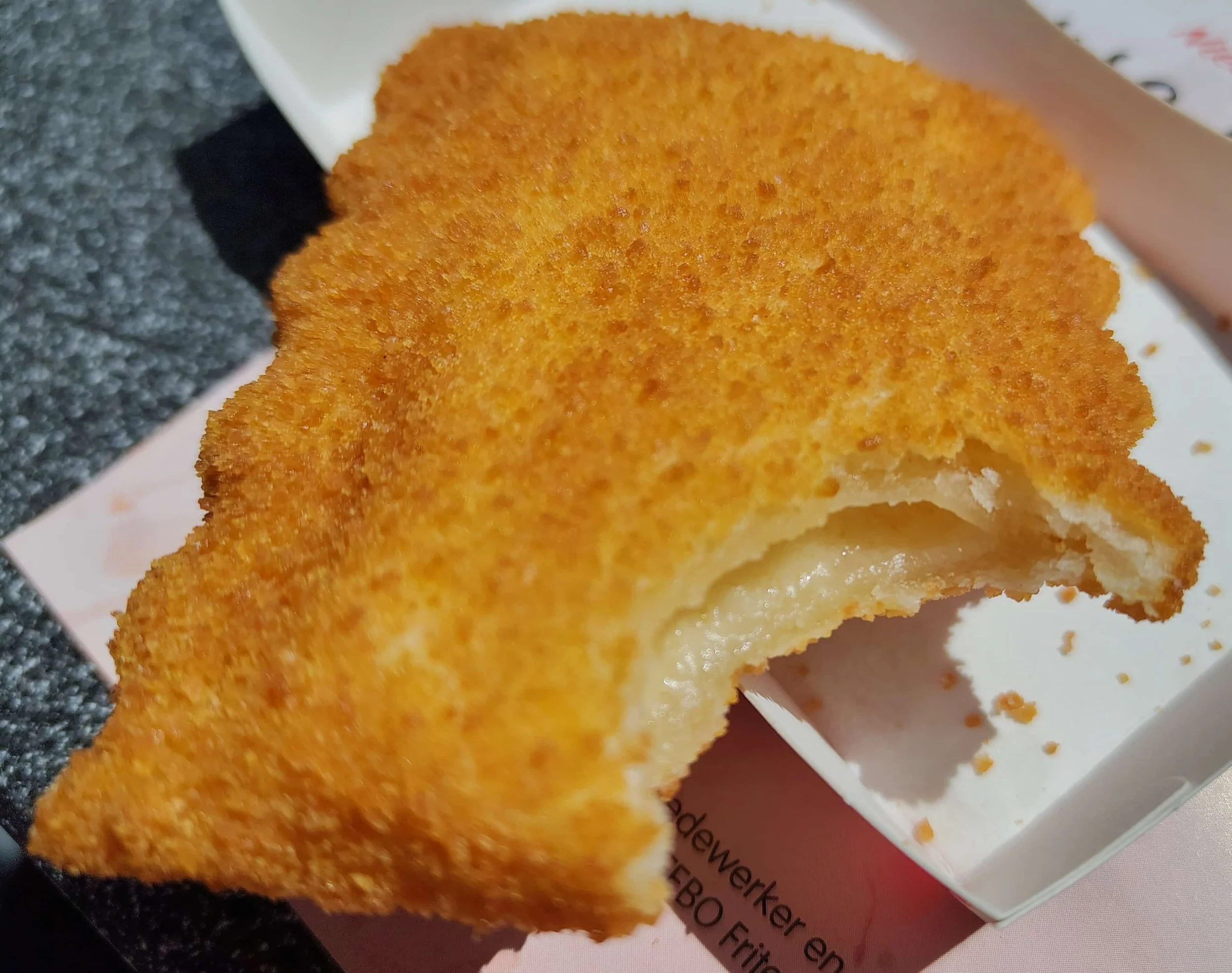
Kaassoufflé
cheese pastry
What is it?
A kaassoufflé is a popular Dutch deep fried snack consisting of a thin pastry casing filled with melted cheese. The cheese melts during frying, creating a soft and stretchy filling. It can also be served in a soft white bun, known as a broodje kaassoufflé.
What is in it?
A kaassoufflé is made from a sheet of pastry filled with cheese. It is then sealed, coated in breadcrumbs and deep fried. Gouda or Edam are common choices, although other cheeses may also be used.
Where can I eat it?
Kaassoufflés are widely available in Dutch snack bars and takeaways. They are also a classic FEBO snack, where they can be bought directly from the famous vending machine style snack wall, served hot and ready to eat.
Vegetarian.
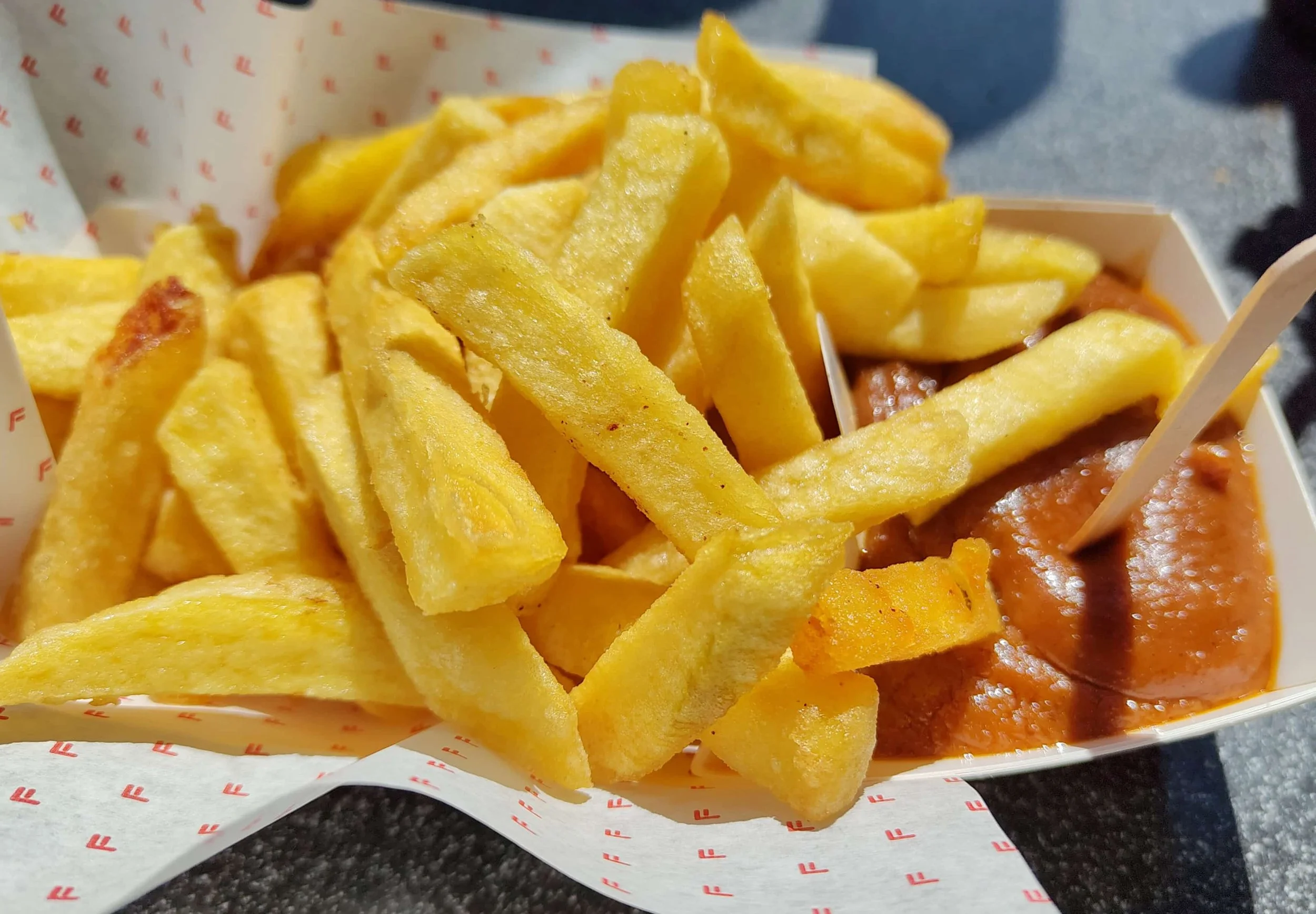
frites (patat)
fried potatoes
What is it?
Frites, also known in the Netherlands as patat, are the Dutch version of French fries and are deeply embedded in everyday food culture. They are typically thick cut, crispy on the outside, fluffy on the inside, and served in a paper cone or tray with a wide variety of sauces. Getting a cone of patat from a local frietkraam (fries stand) is a common snack or quick meal across the country.
The terms patat and friet vary by region: patat is more common in the north and west, while friet is more widely used in the south.
What is in it?
Potatoes, of course.
The classic and most iconic accompaniment is mayonnaise, although Dutch fritessaus is also commonly used. It is usually lighter, creamier and slightly sweeter than traditional mayonnaise, making it a defining part of the Dutch fries experience rather than just a side condiment.
Beyond mayonnaise, there is an impressive range of sauces. Popular options include curry ketchup, a mildly spiced and slightly sweet sauce, and satay sauce, a thick peanut based sauce reflecting the strong Indonesian influence on Dutch cuisine.
One of the most iconic ways to order fries is frites speciaal or patat speciaal, where the fries are topped with mayonnaise, curry ketchup and finely chopped raw onions. It is a true Dutch classic
Where can I eat it?
Frites are available throughout the Netherlands, from roadside frietkramen and snack bars to fast food restaurants such as FEBO. They are usually served hot in a cone, tray or paper carton.
Vegetarian
Ingredients listed reflect common or typical components of this dish as served in restaurants or street‑food vendors. Variations by region, season, or vendor are common. This information is provided for general reference only. If you have dietary restrictions or allergies, please verify ingredient details independently. We assume no liability for accuracy or outcomes.
