our top 8 sweet foods from around the world

pastel de nata
Portugal
What is it?
Portugal’s most famous food? Portugal’s most delicious food? Both statements could very well be true. The Pastel de Nata is a Portuguese custard tart that’s loved worldwide. It features a crisp, flaky pastry shell filled with a creamy, sweet egg custard, lightly caramelised on top. Best enjoyed warm, and optionally dusted with cinnamon, it’s a must try when visiting Portugal, or, if you’re like us, a must try several times a day! One of the world's best pastries (maybe the best?). They’re typically eaten as a snack or dessert, often with coffee or tea.
What is in it?
Crisp puff or shortcrust pastry filled with a rich custard of egg yolks, sugar, and milk or cream, flavoured with vanilla or lemon zest, and often finished with a dusting of cinnamon.
Where can I eat it?
Pastel de Nata are available across Portugal in cafés, bakeries (pastelarias), and even supermarkets, but the best are usually from traditional pastelarias in Lisbon and Porto. A great place in Lisbon to get them is Aloma, which has won awards for the best Pastel de Nata.
Vegetarian.
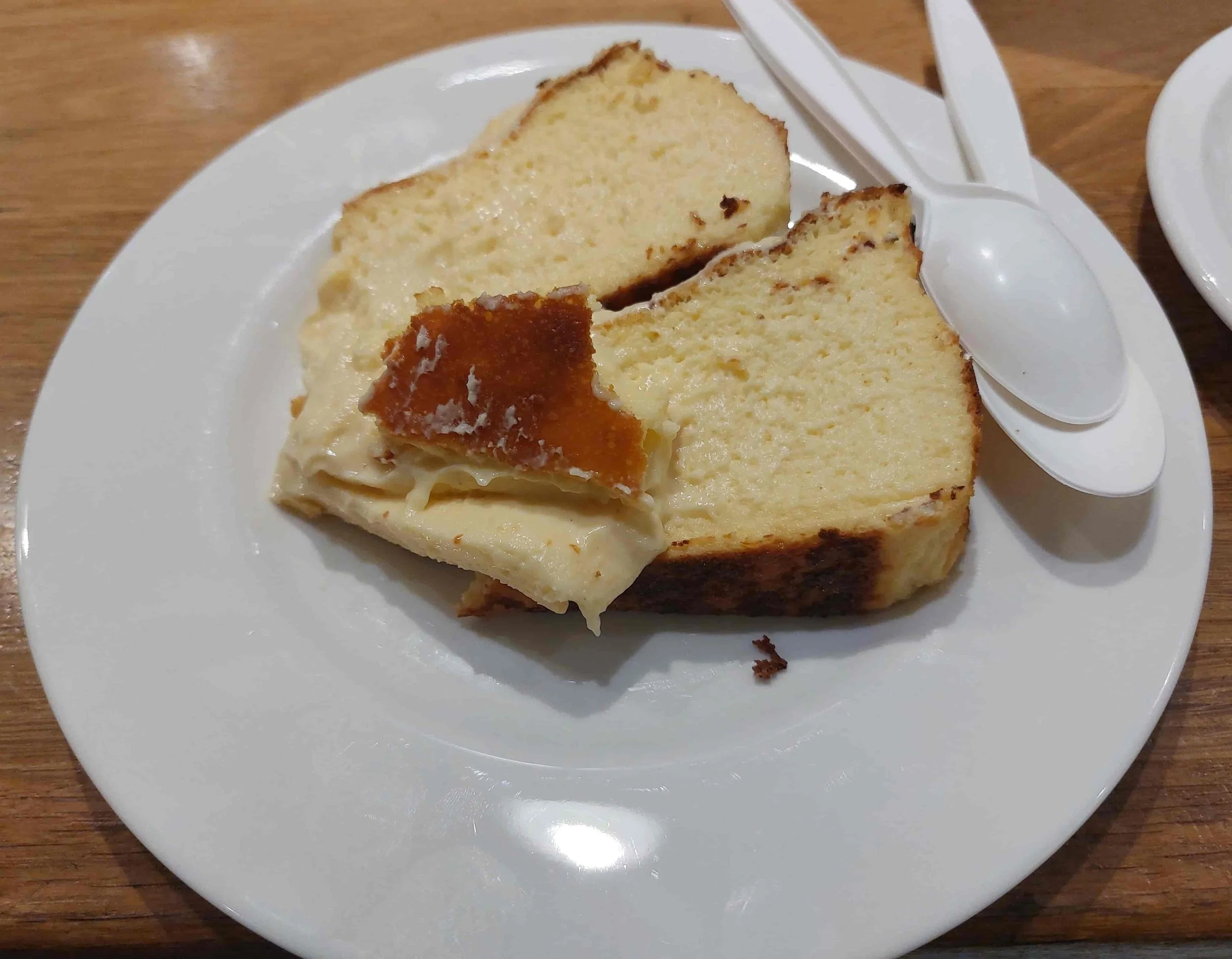
Basque cheesecake
Spain
What is it?
Also known as Basque burnt cheesecake or San Sebastián cheesecake, it differs from a typical cheesecake in that it’s crustless, giving you more cake real estate for the money! It has a gooey, creamy centre and a caramelised, nearly burnt exterior, hence the name. It’s incredibly sweet, creamy and delicious.
What is in it?
The core ingredients are cream cheese, eggs, heavy cream, sugar, flour, and salt. Vanilla is not always included in the original recipe but can be used as an optional flavouring, as can citrus zest or other extras.
Where can I eat it?
You’ll find it everywhere in San Sebastián and across the Basque Country at cafés, bakeries, and pintxo bars; in fact it’s now widely available throughout Spain and in many countries around the world. If you want the original, head to La Viña a pinxtos bar in San Sebastián’s Old Town, that’s where the first was made in 1988.
Vegetarian.
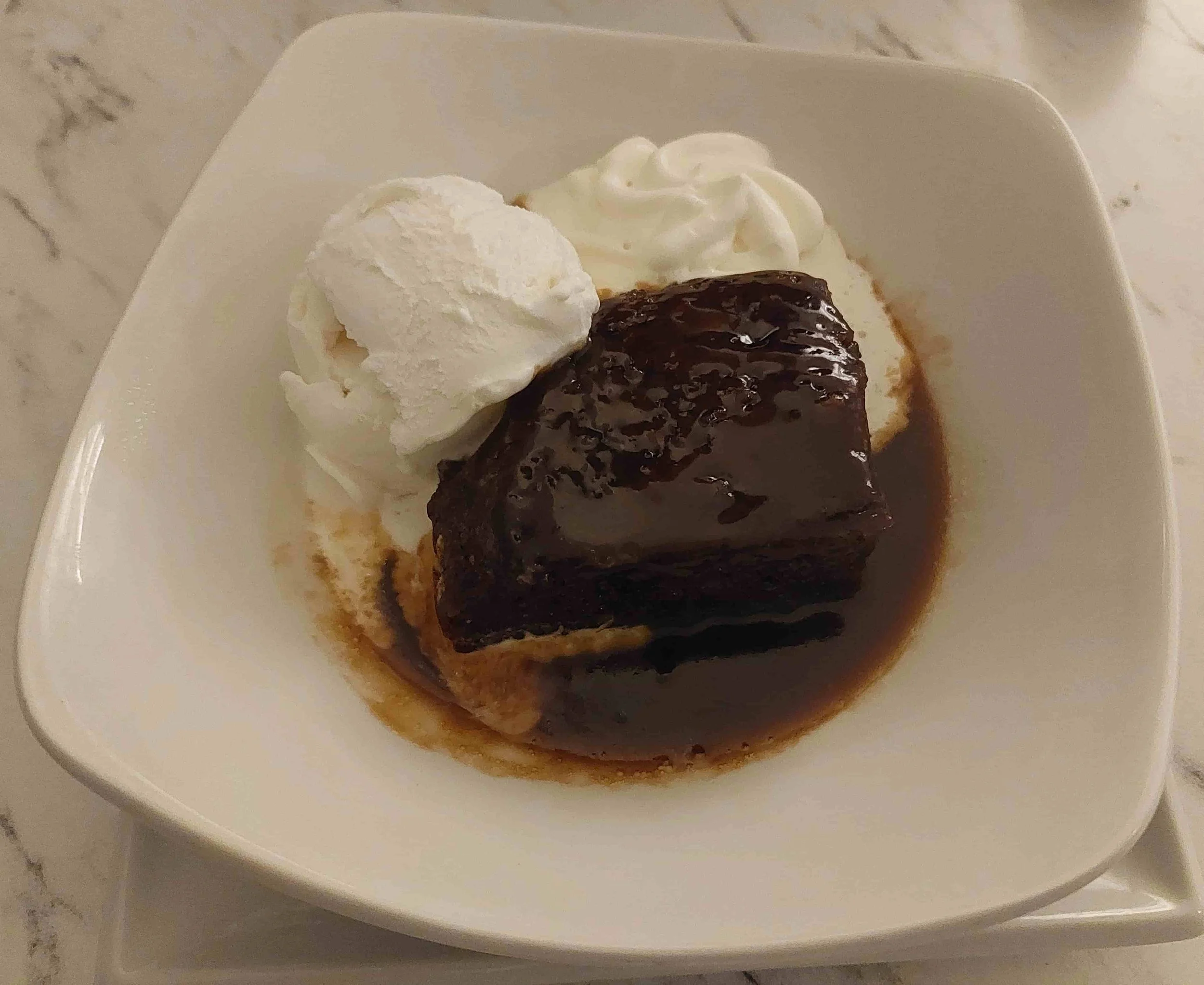
sticky toffee pudding
England
What is it?
Sticky Toffee Pudding is Britain’s most popular and delicious desserts. It’s a warm, rich yet surprisingly light sponge pudding, drenched in a sweet toffee sauce and typically served with custard, cream, or vanilla ice cream.
What is in it?
The sponge is made with chopped dates, but don’t worry if you’re not a fan, they add richness rather than a strong flavour.
The toffee sauce is made from butter, brown sugar, and cream.
It’s usually served with custard, ice cream, or cream.
What is it?
You’ll find Sticky Toffee Pudding in restaurants and pubs throughout the UK, particularly in the North where it originated. It’s also widely available in supermarkets.
Vegetarian.

kaiserschmarrn
Austria/Germany
What is it?
Kaiserschmarrn is a light, fluffy shredded pancake dessert that originated in Austria but is also extremely popular in southern Germany, especially Bavaria. Famously a favourite of Emperor Franz Joseph I, it’s torn into small pieces and served warm, often dusted with powdered sugar and served with fruit compote, in large portions made for sharing.
What is in it?
The batter is made from eggs, milk, flour, and a bit of sugar. It often includes raisins and vanilla, cooked in butter and lightly caramelised. It's served dusted with powdered sugar, usually accompanied by sweet apple sauce or fruit compote.
Where can I eat it?
Kaiserschmarrn is common in southern Germany, especially in Bavarian restaurants. You'll also find it at traditional inns and beer gardens that offer desserts. Though technically a dessert, it’s filling enough to be enjoyed as a main course, particularly as an indulgent treat.
Vegetarian.

skillingsbolle
Norway
What is it?
Skillingsboller is a soft, Norwegian cinnamon roll from Bergen, known for its layers of spiced sweetness The name means “penny bun,” a nod to the old custom of naming baked goods after their price, these buns were originally sold in Bergen for one shilling (1 penny). Think cinnamon buttery goodness, there are different ways to enjoy a Skillingsbolle, but our favourite is to tear off pieces and slowly make your way to the warm, cinnamon filled centre.
What is in it?
The ingredients are simple but perfect: cinnamon, cardamom, butter, sugar, eggs, flour, milk, and yeast.
Where can I eat it?
You can find Skillingsboller in cafés all around Bergen. For a reliably good one, try Baker Brun, a well-known bakery chain throughout Norway.
Vegetarian.
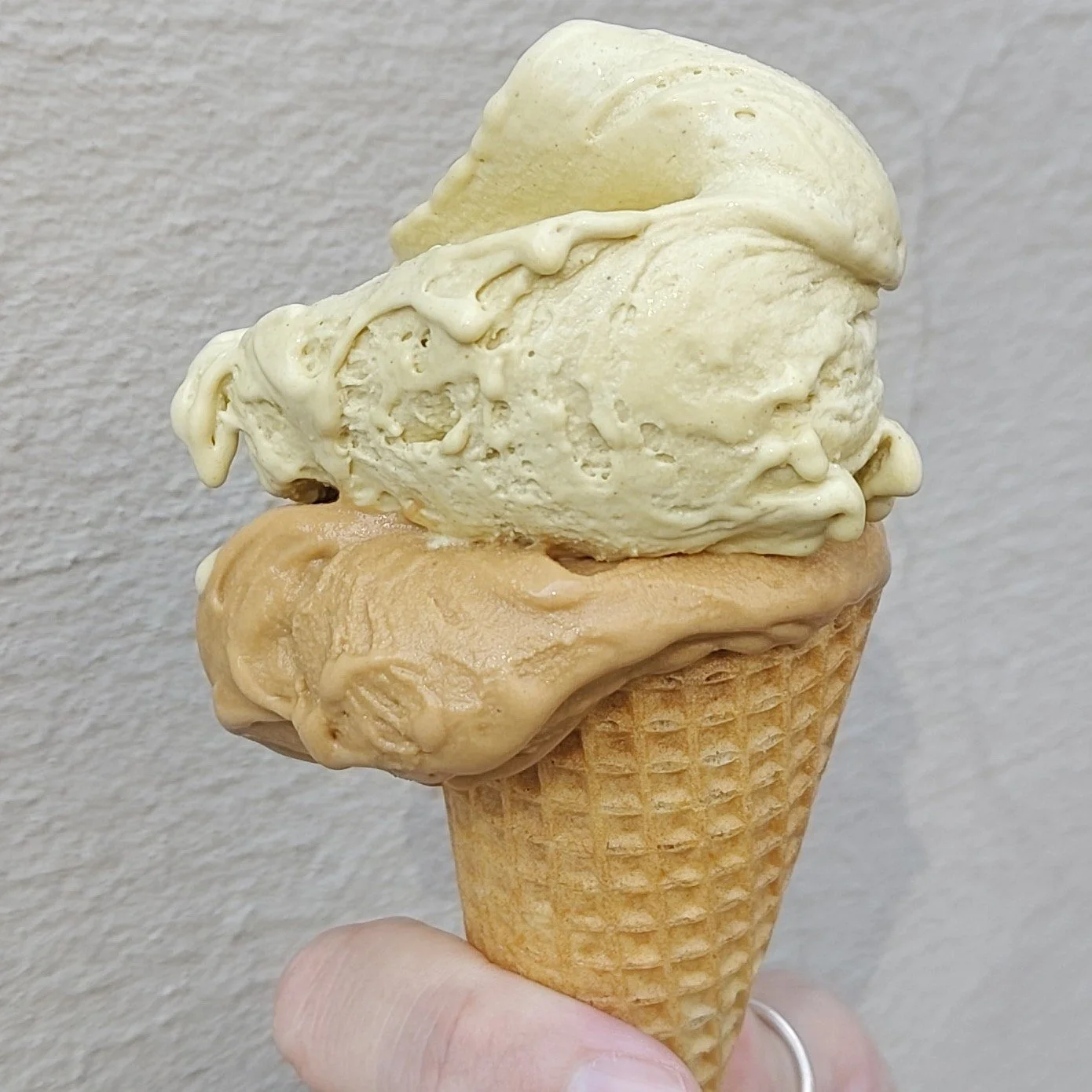
gelato
Italy
What is it?
Gelato is often described as simply “Italian ice cream,” but there are some important differences between traditional gelato and typical ice cream. In Italian, gelato technically just means “ice cream” or, more literally, something frozen. However, in English, the word is generally used specifically for the traditional Italian style.
Classic gelato is made with more milk and less cream than most ice cream, giving it a lower fat content. It is also churned more slowly, incorporating less air. It is typically served at a slightly warmer temperature than ice cream, which gives it its signature soft and smooth consistency and allows the flavours to come through more intensely.
Classic flavours include vanilla, chocolate, stracciatella (milk gelato with shards of chocolate), and nut flavours such as pistachio, almond and hazelnut. Modern gelaterias offer an enormous variety of flavours, including coffee, fruit, chocolate combinations and more unusual seasonal creations. Traditionally, it is common to choose two flavours, served together in a cone or cup, although there is no strict rule about how many flavours you can order.
What is in it?
The ingredients vary depending on the flavour, but traditional milk-based gelato is generally made from milk, sugar and a smaller amount of cream than typical ice cream. Egg yolks may be used in some flavours, particularly richer custard-based varieties.
Where can I eat it?
Gelaterias are found throughout Italy, from small traditional shops to modern artisan establishments. In many Italian towns, visiting a gelateria for gelato is a normal part of everyday life, particularly in the evening or after a meal.
Vegetarian.

taiyaki
Japan
What is it?
Taiyaki is a Japanese fish shaped cake, typically in the form of a red sea bream (tai). "Yaki" means grilled or baked in Japanese. The batter is similar to that of a waffle, and the classic filling is anko (sweet red bean paste), though many modern alternatives exist. The red sea bream is a symbol of good luck in Japan. Taiyaki is served hot (sometimes so hot it’s difficult to eat!) with a crispy exterior and a delicious filling. My personal favourite is custard, delicious! A similar cake found in Japan is imagawayaki, which is round rather than fish shaped.
What is in it?
The batter is made from plain flour, eggs, sugar, baking powder, and water or milk. The classic filling is anko (red bean paste), but more modern and common fillings include custard and chocolate. Other variations such as matcha, sweet potato, or cheese are also popular.
Where can I eat it?
Taiyaki can be found throughout Japan at street stalls, marketplaces, and even convenience stores. While it originated in Tokyo, our favourite version was actually in Hiroshima at Naruto Taiyaki Honpo Hiroshima Hondori Store. The premium custard filling was incredibly hot and absolutely delicious!
Vegetarian. Traditionally dairy free.
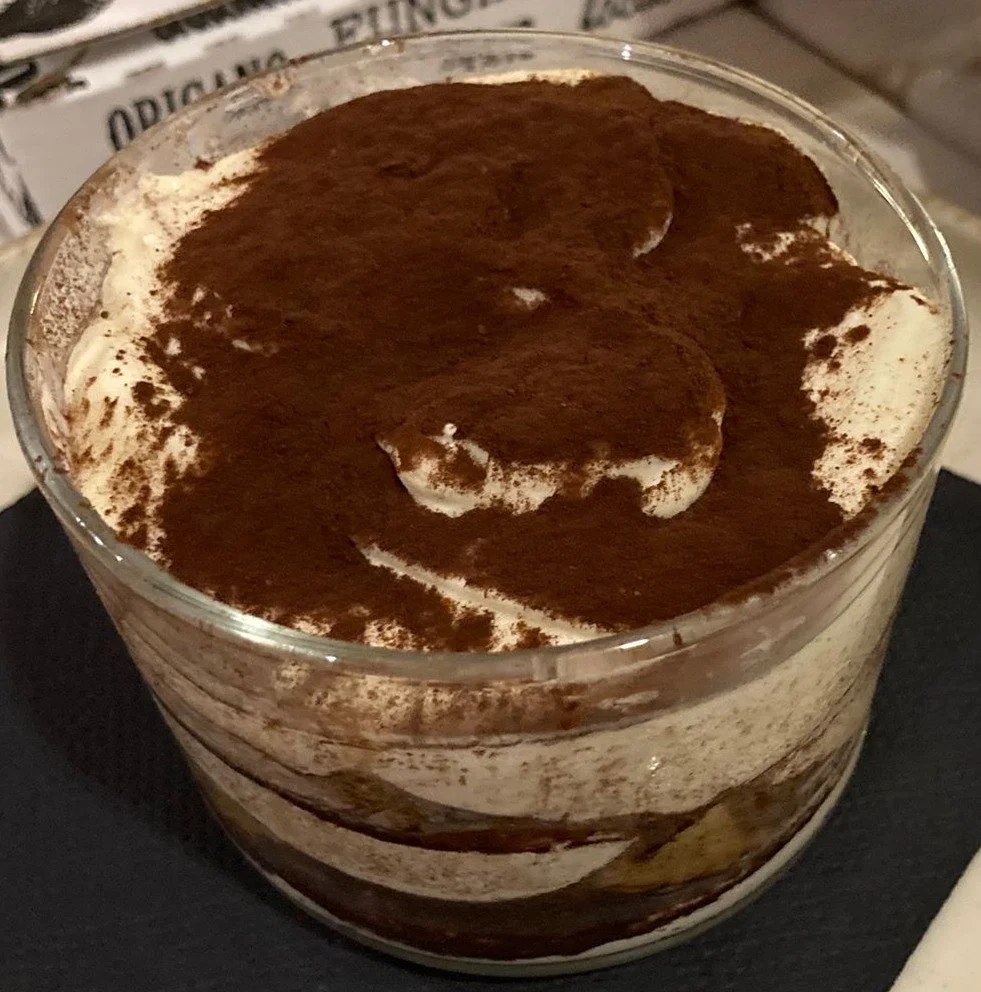
tiramisu
Italy
What is it?
One of Italy’s most famous desserts, tiramisù is a delicious, creamy, coffee flavoured dessert made by layering coffee soaked ladyfingers (savoiardi) with sweet mascarpone cream and finishing with a dusting of cocoa powder.
The name tiramisù roughly translates as “pick me up,” a reference to the combination of coffee and sugar. The dessert is generally believed to have been created in northern Italy in the second half of the 20th century, although the exact origins are disputed. The Veneto region is often credited with its invention, with the modern dessert likely emerging in the 1960s or 1970s.
What is in it?
The classic version is made with savoiardi ladyfingers dipped in coffee and layered with a cream made from mascarpone, eggs and sugar, before being dusted with cocoa powder.
Recipes vary, and some versions contain alcohol, most commonly Marsala wine, rum, coffee liqueur or another sweet liqueur. Some modern versions also introduce different flavours, although the classic coffee and mascarpone combination remains the most popular.
Where can I eat it?
Tiramisù is arguably Italy’s most popular dessert and is available throughout the country, from traditional restaurants and cafés to pastry shops. It has also become one of the most widely recognised Italian desserts around the world.
Vegetarian.
Ingredients listed reflect common or typical components of this dish as served in restaurants or street‑food vendors. Variations by region, season, or vendor are common. This information is provided for general reference only. If you have dietary restrictions or allergies, please verify ingredient details independently. We assume no liability for accuracy or outcomes.
