must-try food Serbia
our top 5 traditional Serbian foods you have to try
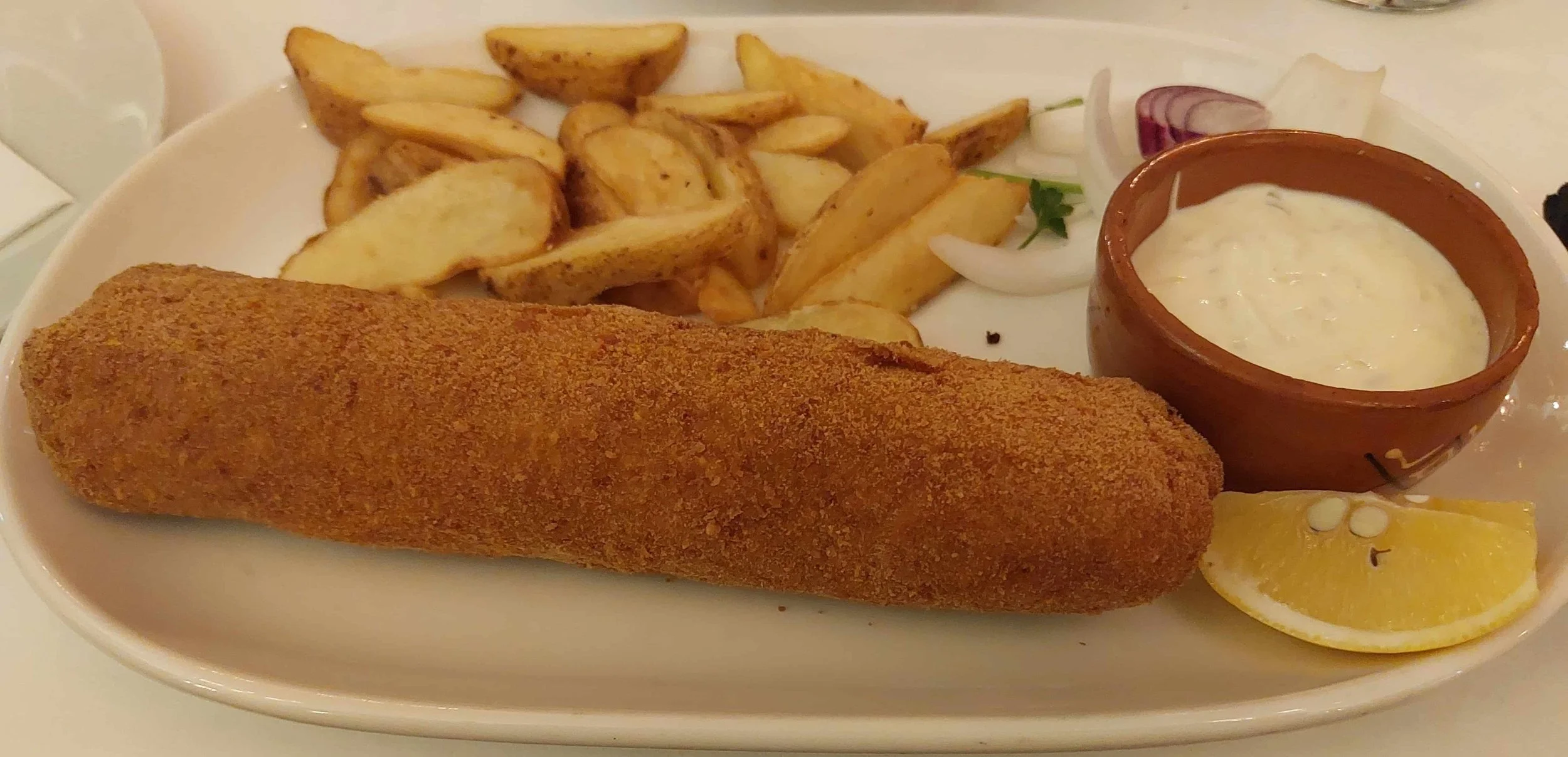
karađorđeva šnicla
rolled, stuffed schnitzel
What is it?
Karađorđeva šnicla is one of Serbia’s most iconic traditional restaurant dishes, a large rolled schnitzel stuffed with kajmak (a creamy Serbian dairy spread), breaded, then fried, and served with tartar sauce. It was invented in the 1950s in Belgrade by chef Mića Stojanović, who named it in honour of the Serbian revolutionary Karađorđe. When you cut into it, the warm kajmak filling oozes out, creating a rich, creamy sauce on the plate.
What is in it?
A typical Karađorđeva šnicla is made from a thinly pounded veal or pork escalope, spread with kajmak, then rolled tightly into a log and breaded with flour, egg, and breadcrumbs. It’s usually served with tartar sauce, chips or other potatoes, lemon, and a side salad.
Where can I eat it?
Everywhere in Serbia, especially in traditional restaurants. It’s on nearly every traditional menu, often listed simply as Karađorđeva. We had a good one at Restoran Dva Jelena in Belgrade.
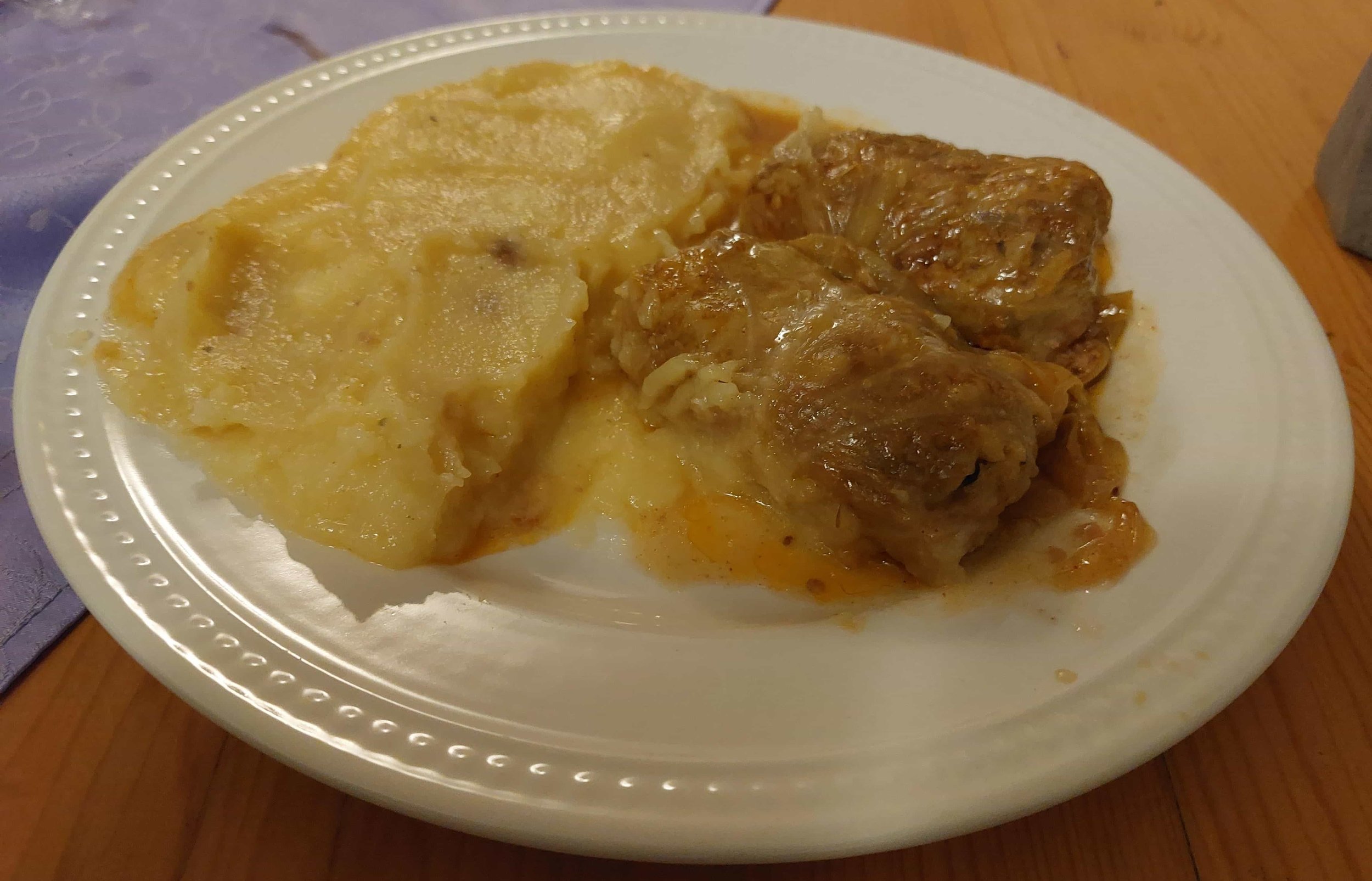
sarma
stuffed cabbage rolls
What is it?
Sarma is one of Serbia’s and the wider Balkans’ most traditional and delicious dishes, minced meat and rice wrapped in fermented cabbage leaves then slow cooked for hours with onions, smoked meat, and its own savoury juices
What is in it?
Serbian sarma is made from pickled cabbage leaves stuffed with a filling of minced pork, rice, onion, salt, garlic, pepper, and sweet paprika.
It sometimes also includes smoked meat (ribs, bacon, or sausage) cooked in the same pot. It’s commonly served with mashed potatoes or fresh bread.
Where can I eat it?
You’ll find sarma in many traditional Serbian kafanas (traditional tavern), but along with punjene paprike, it’s much more common as a home cooked meal. We had a good one with mash at Mala Slavija in Belgrade. It’s located away from the centre, but if you’re in that area it’s a great shout for traditional food.
Vegan versions rare but available, dairy & gluten free.
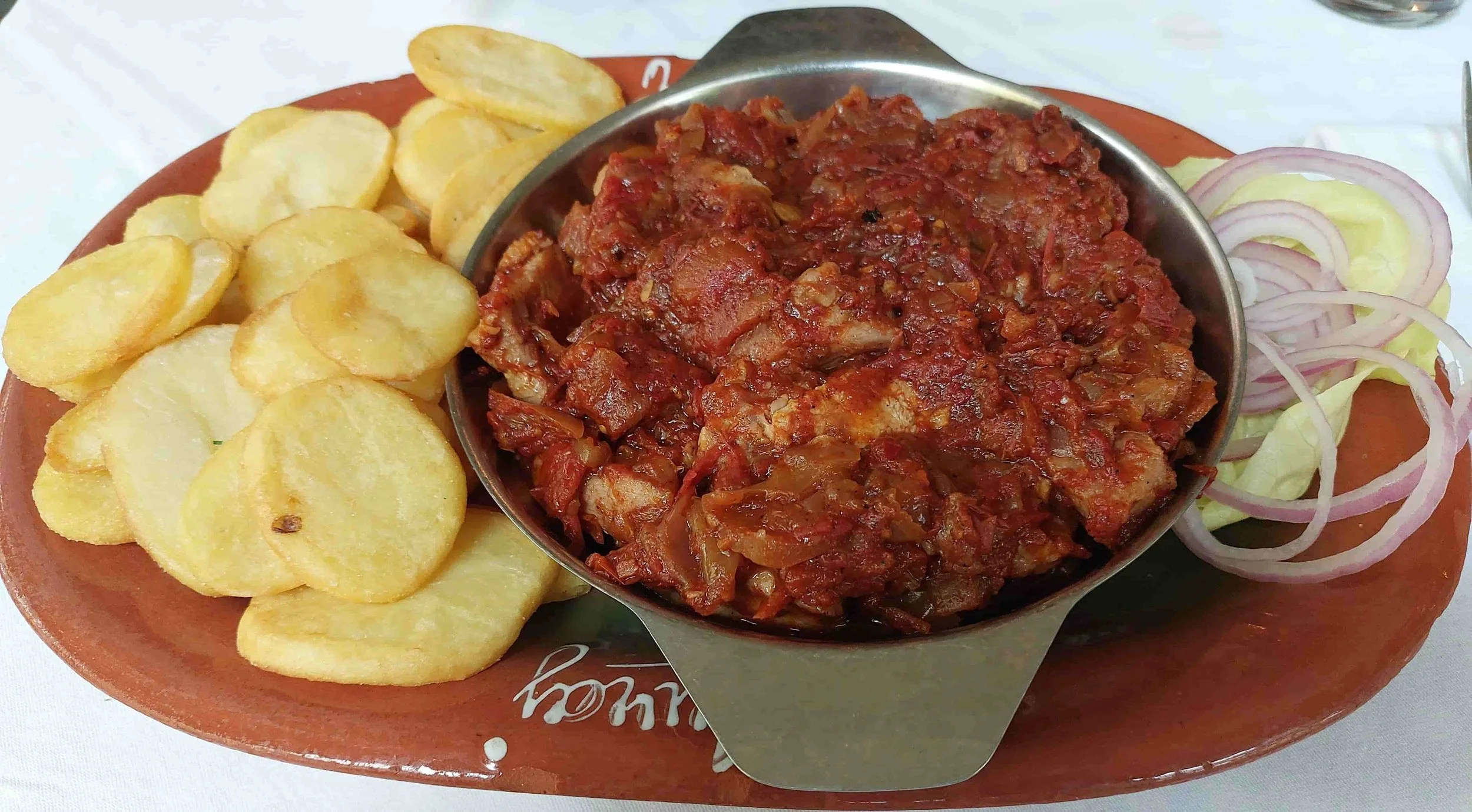
mućkalica
mixed meat stew
What is it?
Mućkalica is a traditional Serbian dish made from leftover grilled meat simmered together with vegetables and paprika to create a smoky, slightly spicy stew. It originates from the city of Leskovac, famous for its grill culture, and today it’s one of Serbia’s most widely known dishes. The name mućkalica comes from the verb mućkati — “to shake/mix” — referring to the way different cuts of meat and vegetables are combined. The key flavour comes from the already grilled meat, which gives the stew a unique smokiness compared with other meat dishes.
What is in it?
Authentic mućkalica is made with a mixture of grilled pork, peppers, tomatoes, onions, paprika, garlic, salt, and pepper. Some versions include spicy peppers or ajvar.
Where can I eat it?
Mućkalica is served across Serbia in many traditional restaurants. On English menus it may appear under different names, such as Leskovac pork stew or pork and pepper stew.
The best versions are in Leskovac (the dish’s home) or in Belgrade kafanas. It can be served on its own or with bread, mash, or potatoes. Both Restaurant Mihailo and Zavičaj (a local restaurant chain) in Belgrade serve very good versions.
Dairy free, traditionally gluten free.
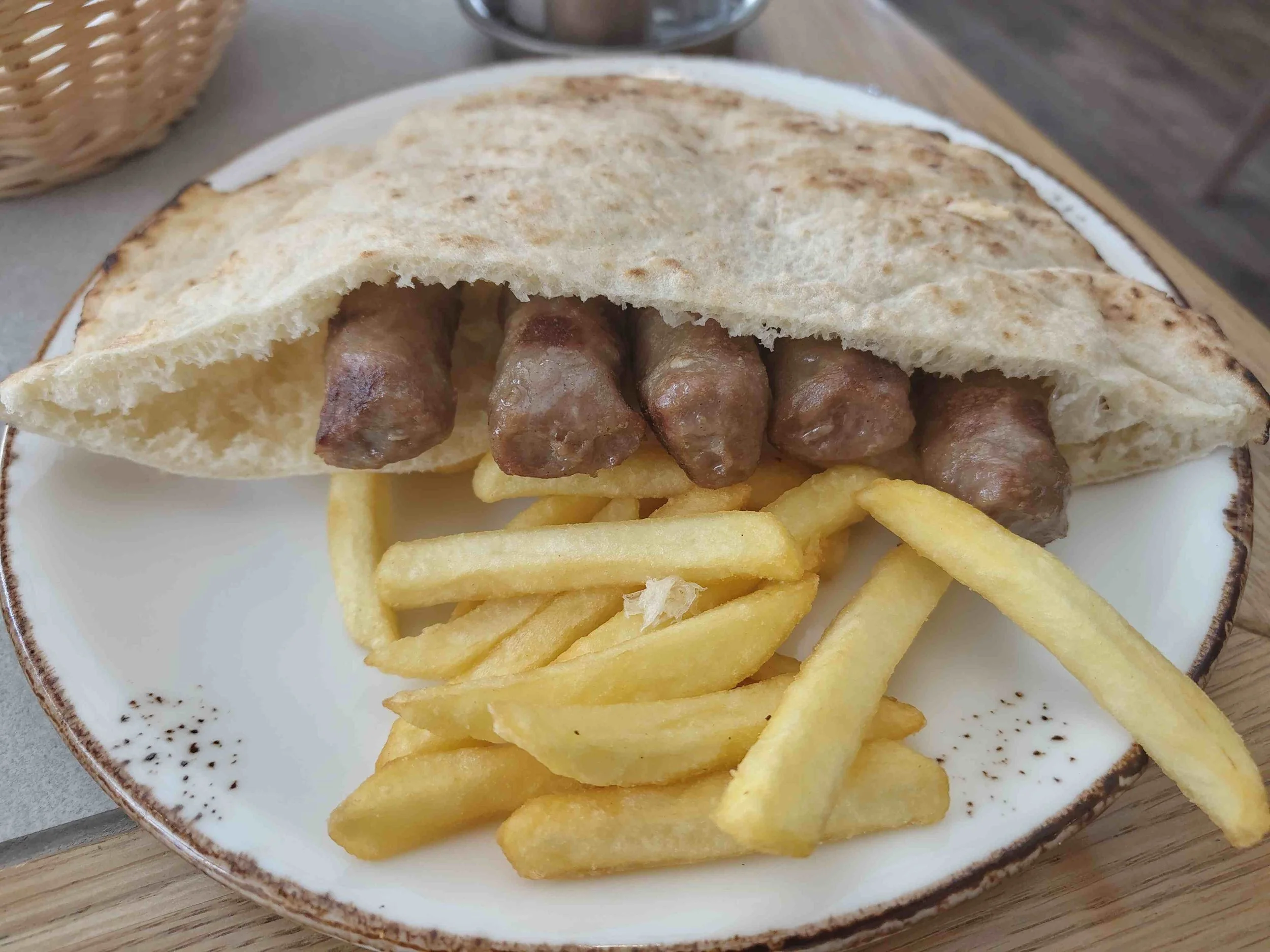
cevapi
grilled minced meat
What is it?
Ćevapi are one of the most iconic dishes in Serbia and the Balkans, small hand rolled grilled minced meat sausages typically served in portions of five or ten inside lepinja (Serbian flatbread).
What is in it?
Serbian ćevapi are traditionally made from minced beef, or a mixture of beef and pork, seasoned primarily with salt and sometimes pepper or garlic. They’re typically served with lepinja, raw chopped onions, ajvar (roasted pepper relish), and kajmak (creamy dairy spread).
Where can I eat it?
Everywhere in Serbia, from traditional restaurants (kafanas) and roštilj (grill) places to fast food stands. It’s one of the most common traditional dishes. A great spot in Belgrade is Ćevap kod Dekija.
Dairy & gluten free.
punjene paprike
stuffed peppers
What is it?
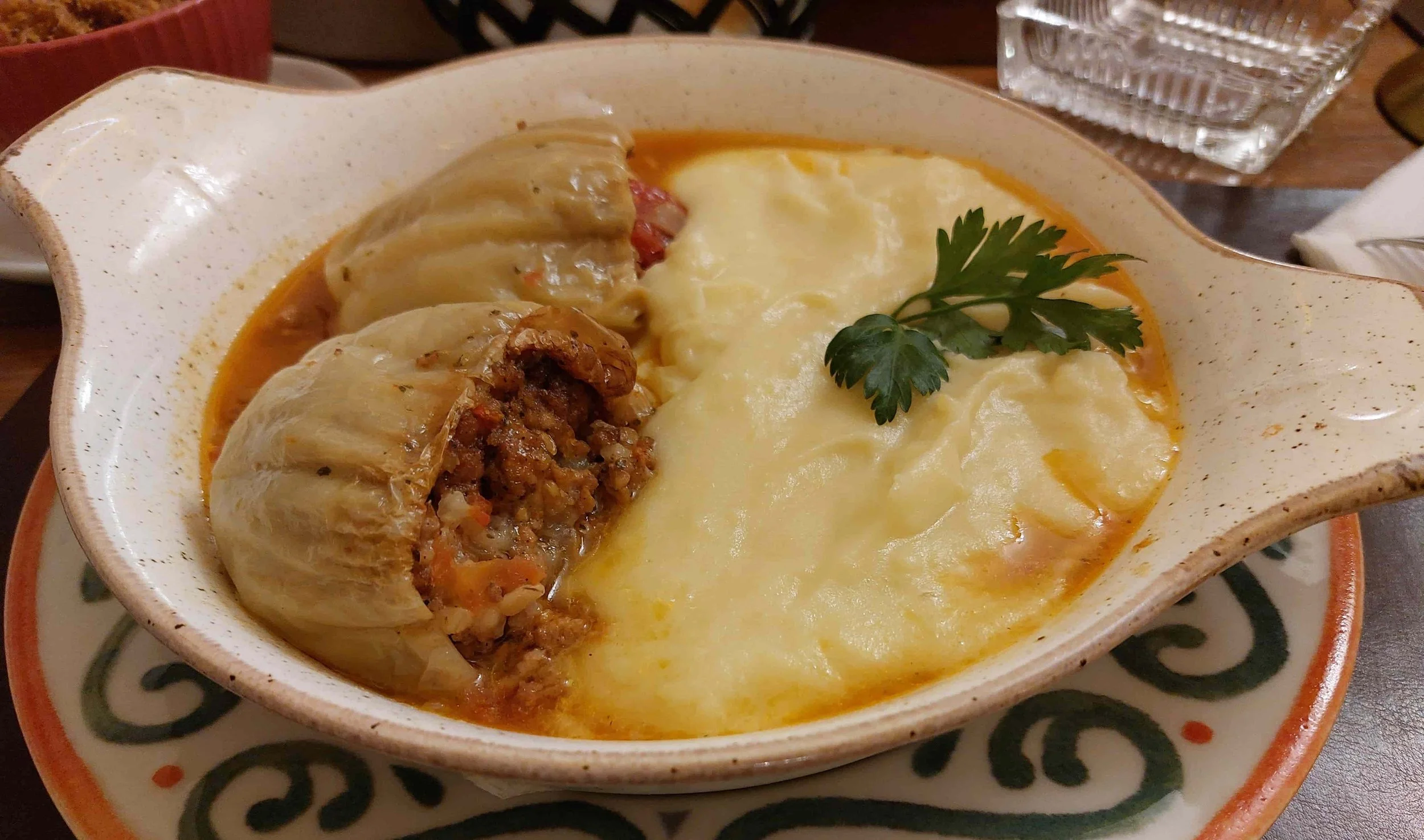
Punjene paprike are a classic Serbian comfort food, sweet Balkan peppers stuffed with a savoury mixture of minced meat and rice, then simmered slowly in a light paprika and tomato infused broth until tender.
What is in it?
Punjene paprike are typically made from pale yellow Balkan babura peppers. They’re filled with minced pork or a pork and beef blend, rice, onion, paprika, salt, pepper, and sometimes parsley. The stuffed peppers are simmered in a cooking liquid of water or light stock, oil, paprika, and tomato. They’re most often served with mashed potatoes and/or fresh bread to soak up the broth.
Where can I eat it?
You can find punjene paprike in many traditional Serbian kafanas, although they’re not quite as common as some other traditional dishes. We had a good one served with mash at Restaurant Mihailo in Belgrade.
vegan versions available , dairy & gluten free.
Ingredients listed reflect common or typical components of this dish as served in restaurants or street‑food vendors. Variations by region, season, or vendor are common. This information is provided for general reference only. If you have dietary restrictions or allergies, please verify ingredient details independently. We assume no liability for accuracy or outcomes.
