our top 9 rice dishes from around the world
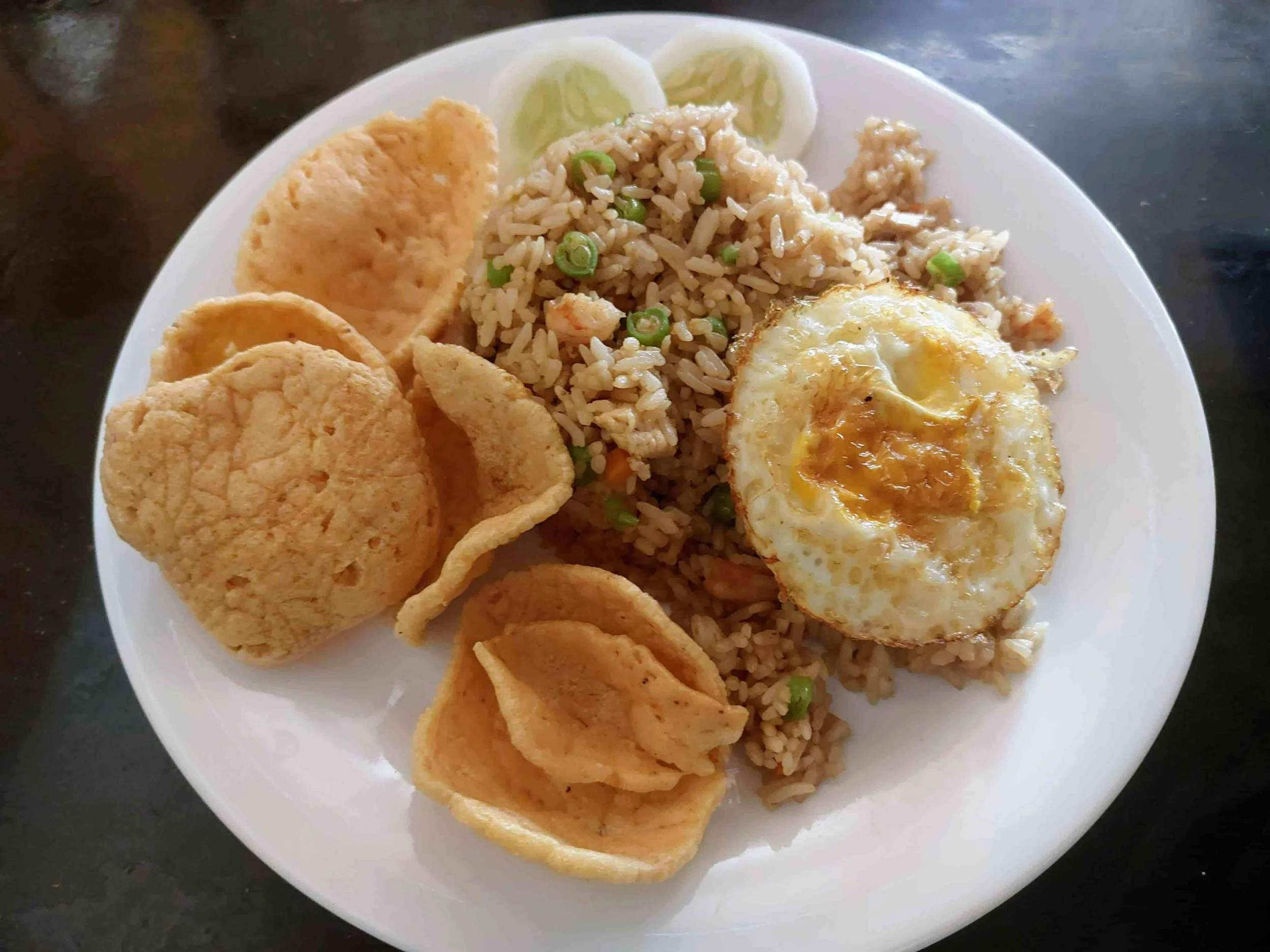
nasi goreng
Indonesia
What is it?
This isn’t just any fried rice, it’s arguably the best in the world. The secret to its rich, savoury sweet flavour is kecap manis (sweet soy sauce), which is stir fried into the rice, giving it its signature delicious taste. Nasi goreng is one of Indonesia’s five national dishes and among its most famous. It translates to "fried rice" (nasi meaning rice, goreng meaning fried).
What is in it?
Cooked leftover rice is stir-fried with kecap manis, garlic, and shallots. It’s often served with spring onions, a fried egg on top (or scrambled into the rice), and meat such as chicken, beef, or fish. Common accompaniments include cucumber, tomato, and kerupuk (prawn crackers). Extra kecap manis can be added to taste.
Where can I eat it?
Nasi goreng is widely available throughout Indonesia, from street food vendors to restaurants, so you won’t have any trouble finding it.
Dairy free. Vegetarian & vegan versions available.
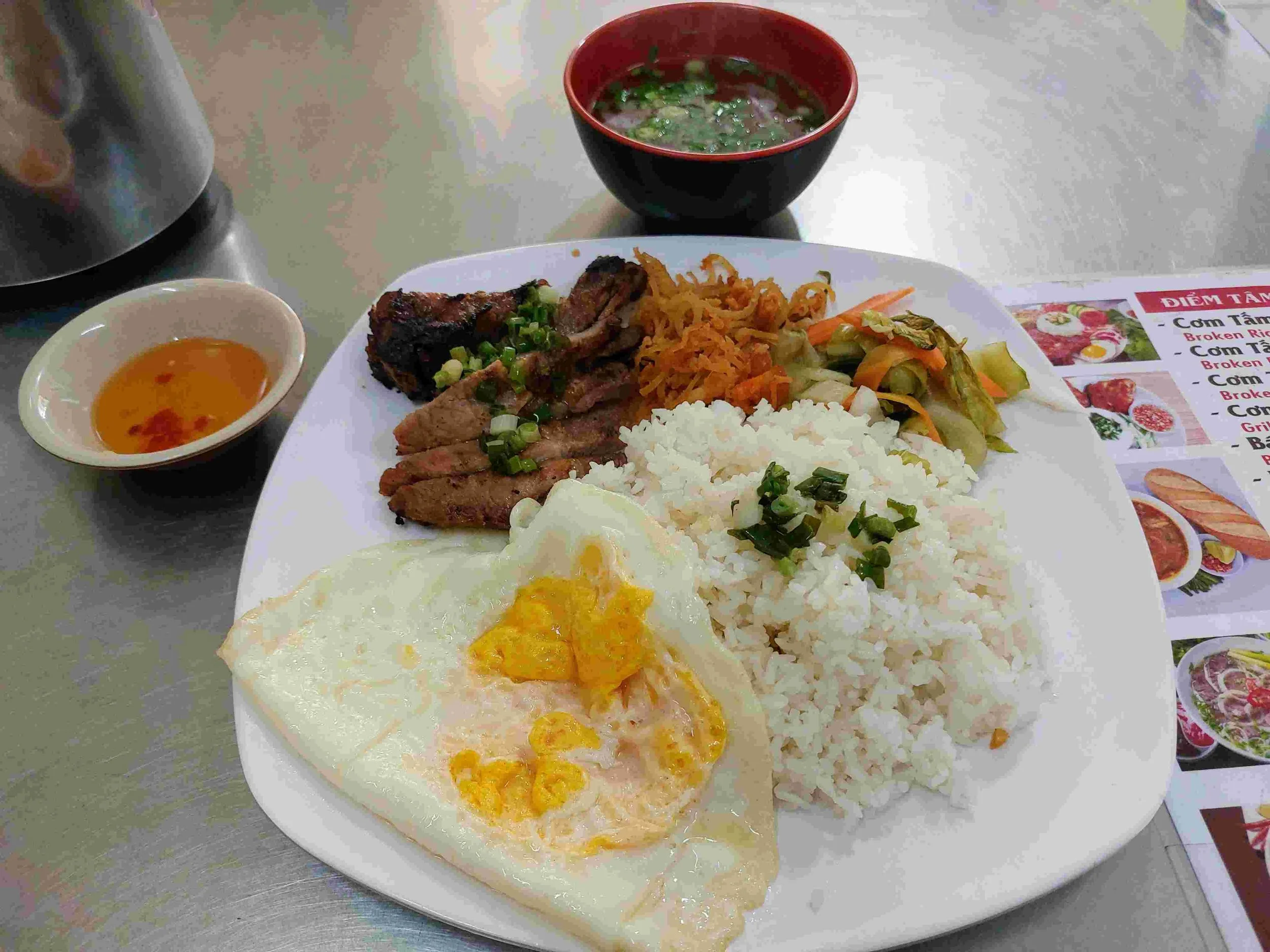
cơm tấm
Vietnam
What is it?
Cơm tấm means “broken rice.” Once considered a cheaper staple, it became especially popular in southern Vietnam, particularly in Ho Chi Minh City, and is now one of the country’s most loved dishes. The broken rice has a slightly softer texture than regular rice and is typically served with delicious grilled pork (sườn nướng), egg, vegetables, and nước mắm pha — a sweet-sour fish sauce dressing that is poured over the dish rather than used just for dipping.
What is in it?
Light and fluffy broken rice, grilled pork (sườn nướng), either a fried egg or omelette, shredded pork skin (bì), which has a pleasantly chewy texture, pickled vegetables like carrot and daikon, and nước chấm to drizzle over the dish.
Where can I eat it?
Cơm tấm is fairly easy to find throughout Vietnam but is especially popular in the south, particularly in Ho Chi Minh City. It’s a must-try when visiting Vietnam.
Dairy free.
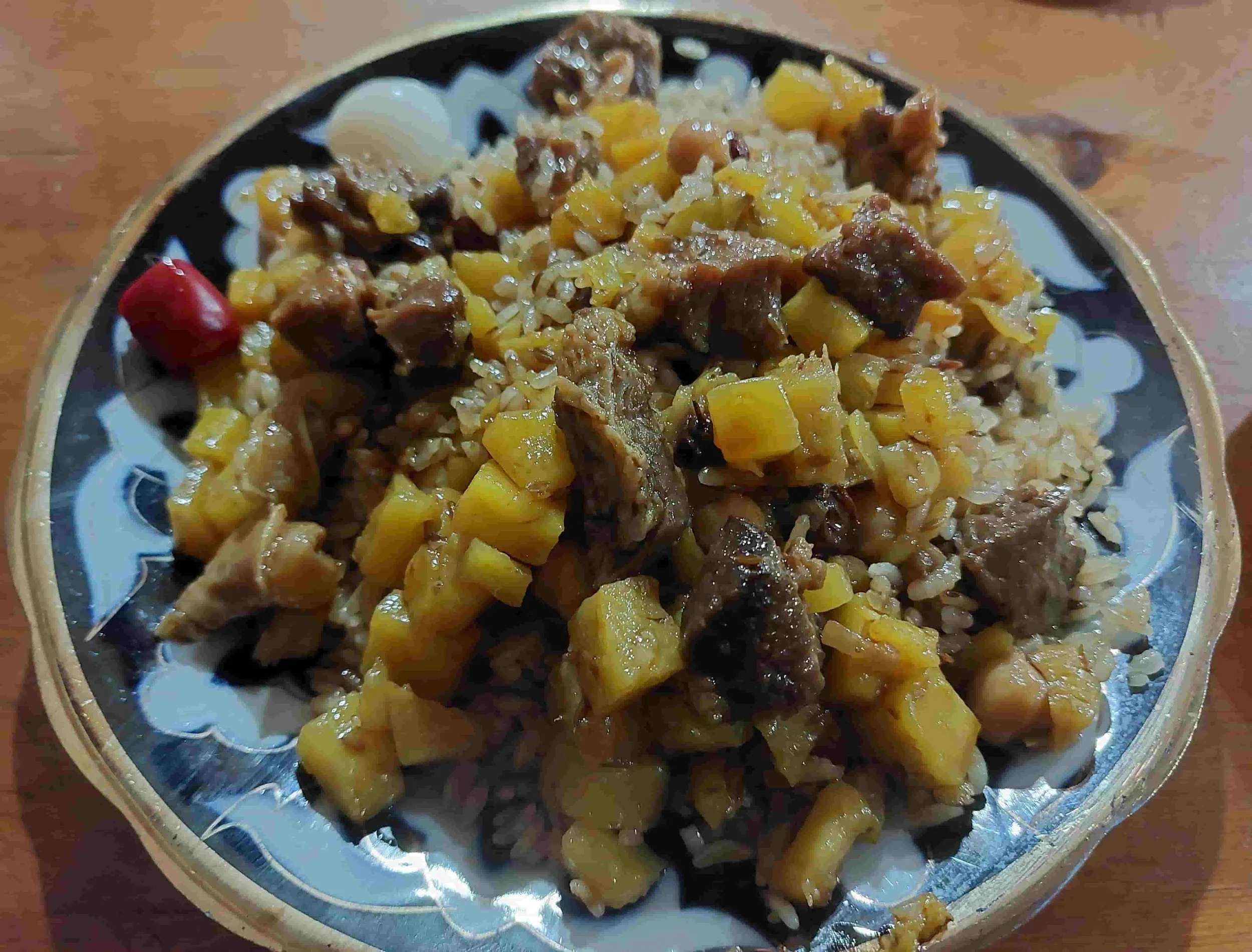
plov
Uzbekistan
What is it?
Plov, also known as osh, is the national dish of Uzbekistan and a point of great pride across the country. This pilaf of rice, meat, vegetables, and spices is traditionally cooked in a large cast iron pot called a kazan. Almost every region and city has its own variation, with subtle differences in flavour and ingredients. It was my go to dish while travelling in Uzbekistan, and it’s easy to see why it holds such a central place in the culture.
What is in it?
The main ingredients are rice and meat, usually lamb or beef, cooked with carrots, onions, oil, and a generous amount of cumin. Whole garlic bulbs are often added for extra flavour, and some versions include chickpeas or raisins for richness. In a few regional or modern variations you might also find turmeric, quail eggs, or even beans, though these are less traditional.
What is it?
As Uzbekistan’s national dish, plov is widely available in almost every restaurant. It’s also a staple in homes and often prepared for special occasions. If you are in Bukhara, be sure to check out a restaurant simply called “The Plov.” It’s a little outside the old town, away from the tourist sites, but the plov, as expected from the name is excellent.
Dairy free.
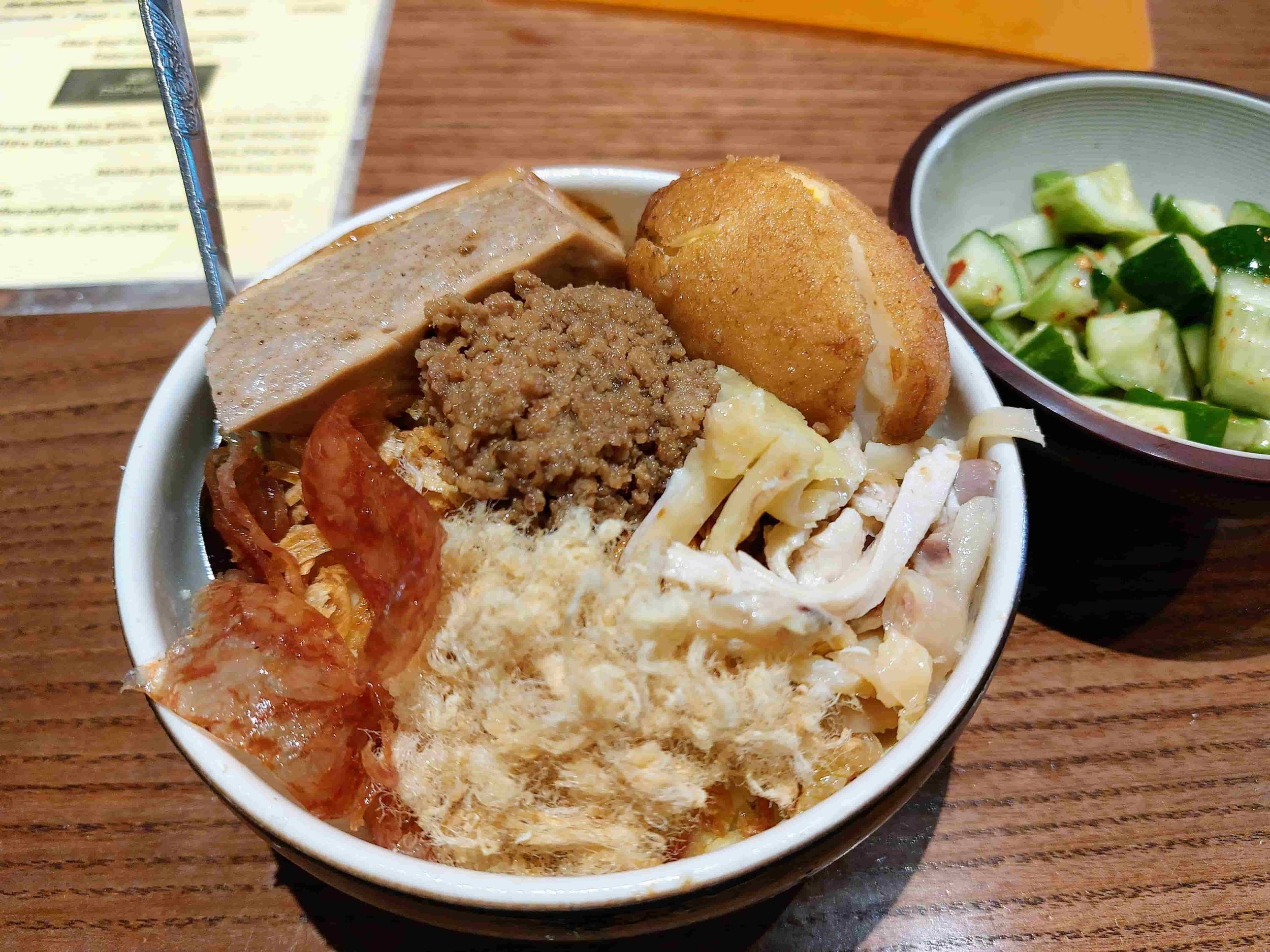
xôi
Vietnam
What is it?
Xôi is Vietnamese sticky rice, which can be either savoury or sweet but always delicious. It comes in a wide variety of bright colours depending on the ingredients and is most commonly eaten for breakfast or as a snack.
What is in it?
Savoury xôi can be topped with a variety of ingredients, such as chicken floss, chả lụa (Vietnamese sausage), quail eggs, and fried shallots, usually drizzled with soy sauce. Sweet xôi is often cooked with coconut milk, with corn and grated coconut mixed in, and typically topped with sugar and sesame seeds or peanuts. The rice itself can also be coloured naturally, red from gấc fruit, blue from butterfly pea flower extract, yellow from turmeric, or purple from the magenta plant.
Where can I eat it?
Xôi is popular throughout Vietnam, with savoury versions being more common in the north, sweeter ones in the south, and the central region offering more colourful varieties of both. It is widely available as street food, in markets, and even in shops. We had it a couple of times as street food in Da Lat in the evening and also at Xôi Yến restaurant in Hanoi.
Dairy free. Gluten free. Vegetarian & vegan versions available.
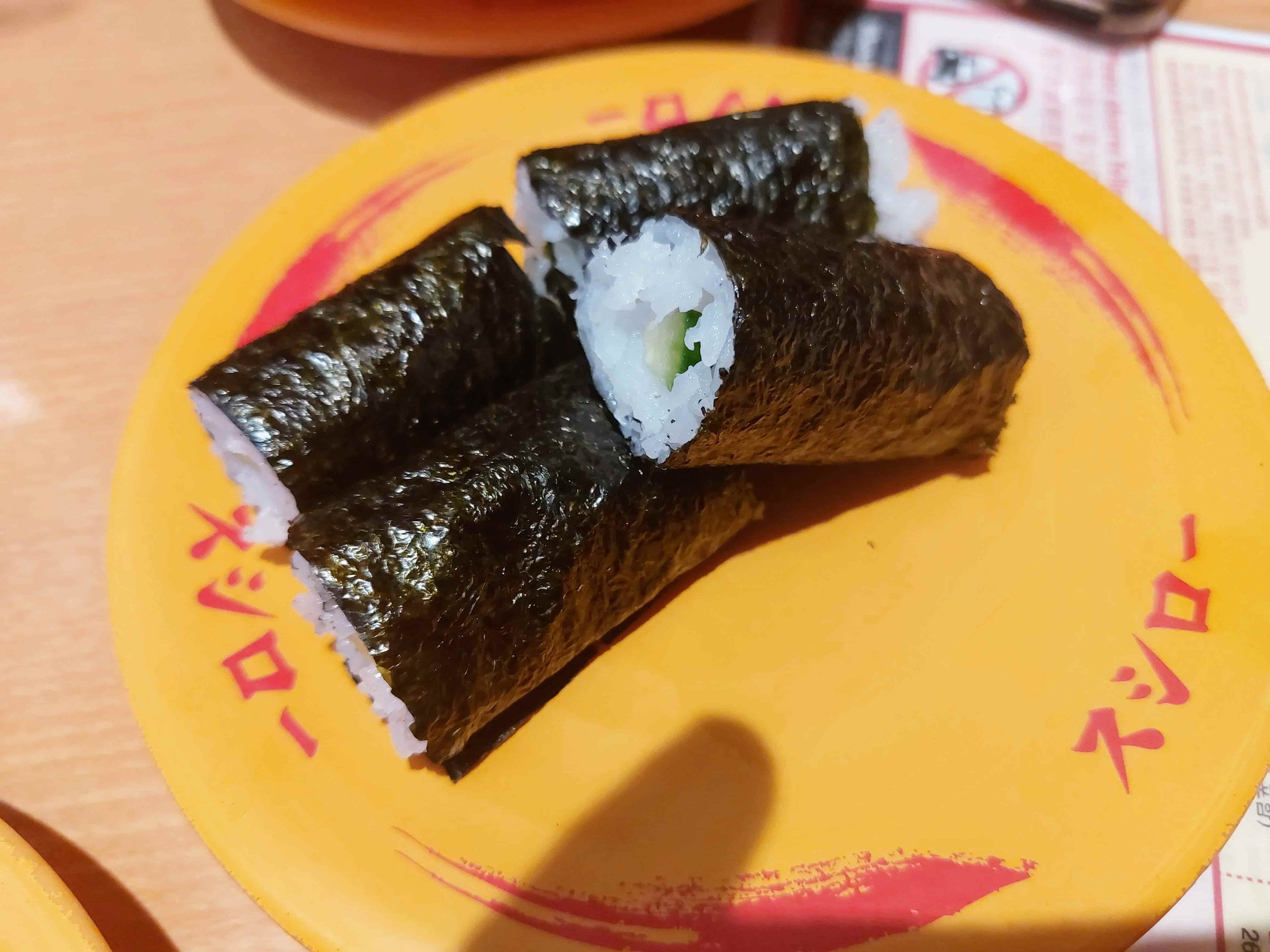
sushi
Japan
What is it?
Sushi is a traditional Japanese dish consisting of shari (vinegared rice) combined with various ingredients, traditionally raw seafood, but it can also be made with cooked seafood, vegetables, egg, or meat. It’s served with soy sauce, wasabi, and pickled ginger. There are many different types of sushi, some of the most popular being:
Nigiri: Thin slices of seafood or other toppings pressed on top of rice.
Maki: A filling with rice around it, wrapped in seaweed, and cut into small pieces.
Inarizushi: Sushi rice stuffed inside sweet fried tofu.
Temaki: A cone of nori (seaweed) filled with rice, raw fish or other fillings, and sometimes vegetables.
Sashimi: Not actually sushi (as it doesn’t include rice), but closely related and often sold alongside sushi. It consists of thin slices of seafood or, less commonly, meat.
What is in it?
Shari sushi rice is made from rice, rice vinegar, sugar, and salt. The fillings and toppings for sushi are nearly endless, but popular ones include tuna, salmon, egg, prawn, crab, octopus, squid, eel, sea urchin, fish roe, and cucumber. Soy sauce, wasabi, and pickled ginger can be added as desired.
Where can I eat it?
You can buy sushi from convenience stores or supermarkets. For a fun and cheap way to experience sushi, try kaitenzushi (conveyor belt sushi) at most modern restaurants, where you can order directly to your table via a tablet. Popular chain restaurants offering this are Sushiro and Kurasushi, both available throughout Japan. If you want to splurge, there are many dedicated sushi restaurants across the country. If you’re near the coast, a fish market is a great place to sample amazing fresh sushi, such as in Kanazawa.
Vegetarian and Vegan versions available.
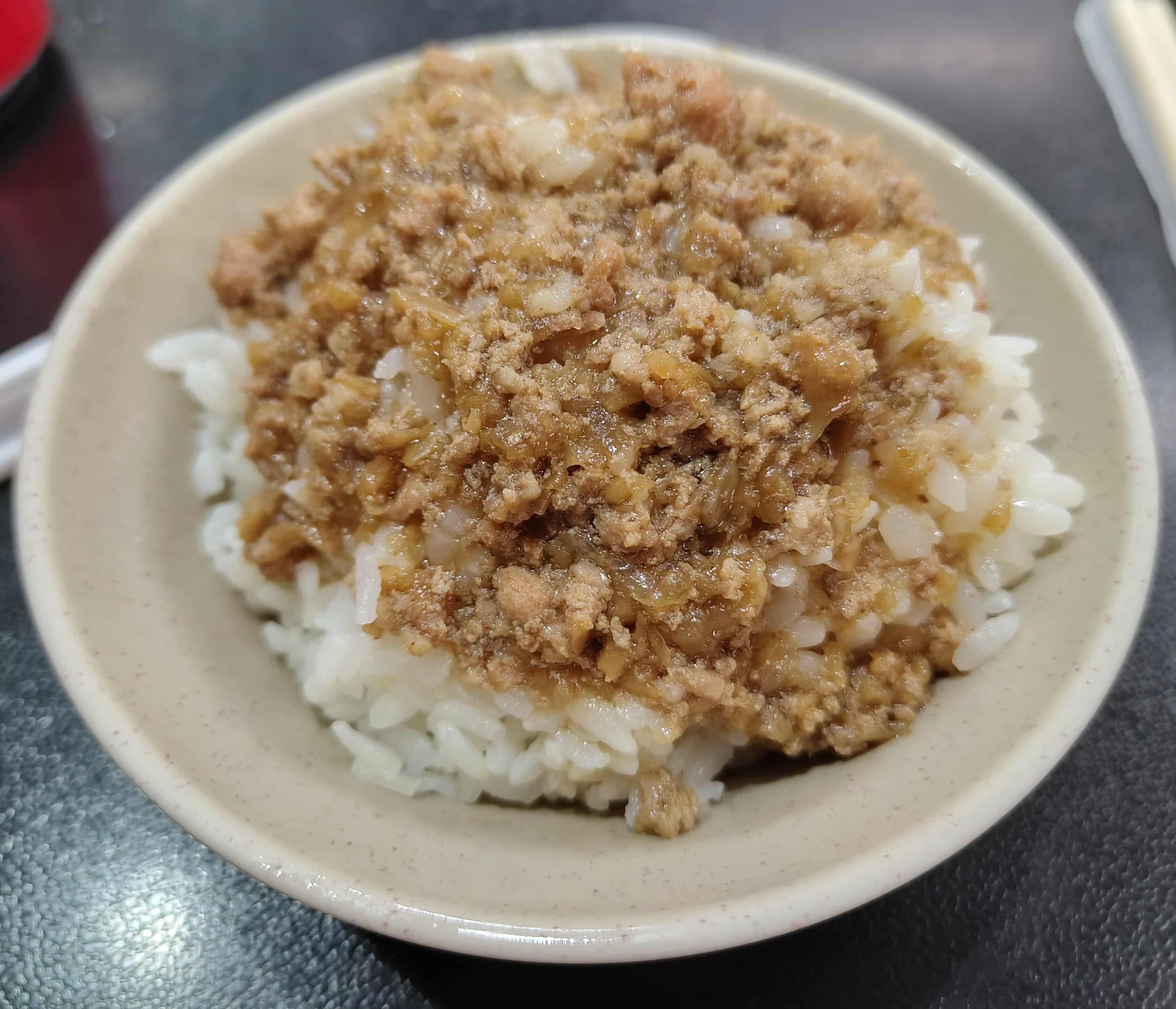
lu rou fan
Taiwan
What is it?
Ćevapi are small grilled minced meat sausages and one of the most iconic foods of the former Yugoslavia. Salty, juicy they’re usually served in a soft bread that soaks up the delicious meat juices, with chopped onion on the side. Bosnia is the spiritual home of the dish, but you’ll find some version of ćevapi across the whole region including North Macedonia where they have there version known as kebapi. They are commonly served in portions of 5 or 10.
What is in it?
The dish consists of white rice topped with minced or finely chopped pork belly that has been slowly braised in soy sauce, garlic, shallots and five spice or similar aromatics. The long cooking process creates a thick, slightly sticky sauce that soaks into the rice. The pork is usually quite fatty, which gives the dish its rich, glossy texture.
Where can I eat it?
Lu rou fan is available everywhere in Taiwan, including small local restaurants, night markets and even convenience stores (as a packaged or heated meal). It is one of the most common and accessible Taiwanese dishes.
Dairy free.
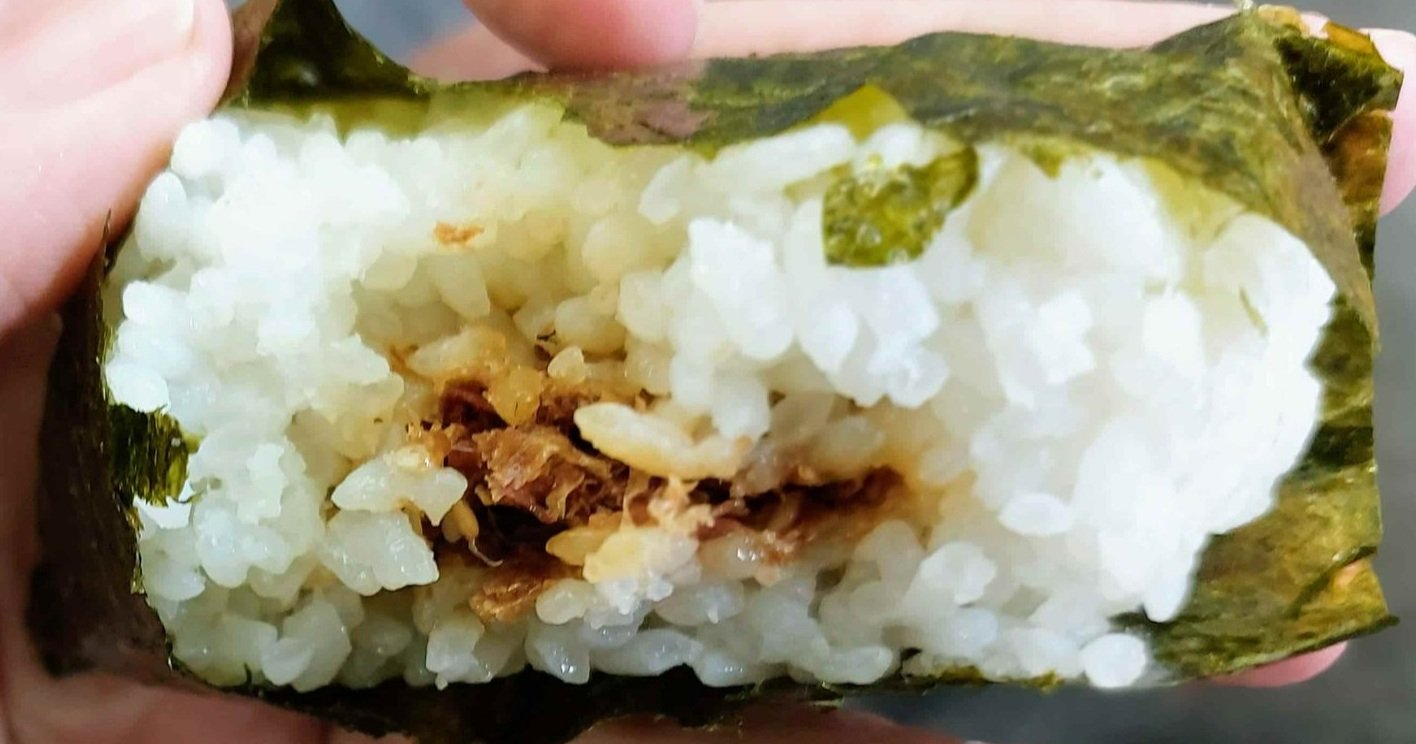
onigiri
Japan
What is it?
Onigiri is a Japanese rice ball, and one of the worlds best on the go snakes, usually shaped into a triangle and wrapped in nori (seaweed). Filled with salty, savoury, or tangy ingredient, its delicious, and affordable and easy to eat at anytime, anywhere..
What is in it?
Rice is the main ingredient, wrapped in nori. Classic fillings include umeboshi (pickled plum), bonito flakes, and kombu (kelp). Modern favourites include salmon, cod roe, and tuna mayo, but there are countless variations to try.
Where can I eat it?
Onigiri is widely available in Japan, especially in convenience stores and supermarkets. We tried them at the most common convenience stores and came to the conclusion, that Family Mart (controversial?) is the best option in this segment, since they offer a wide variety and they are all filled to the brim. There are also specialty shops dedicated to takeaway onigiri, offering freshly made options with a range of fillings.
Dairy & gluten free. Vegetarian and vegan options available.
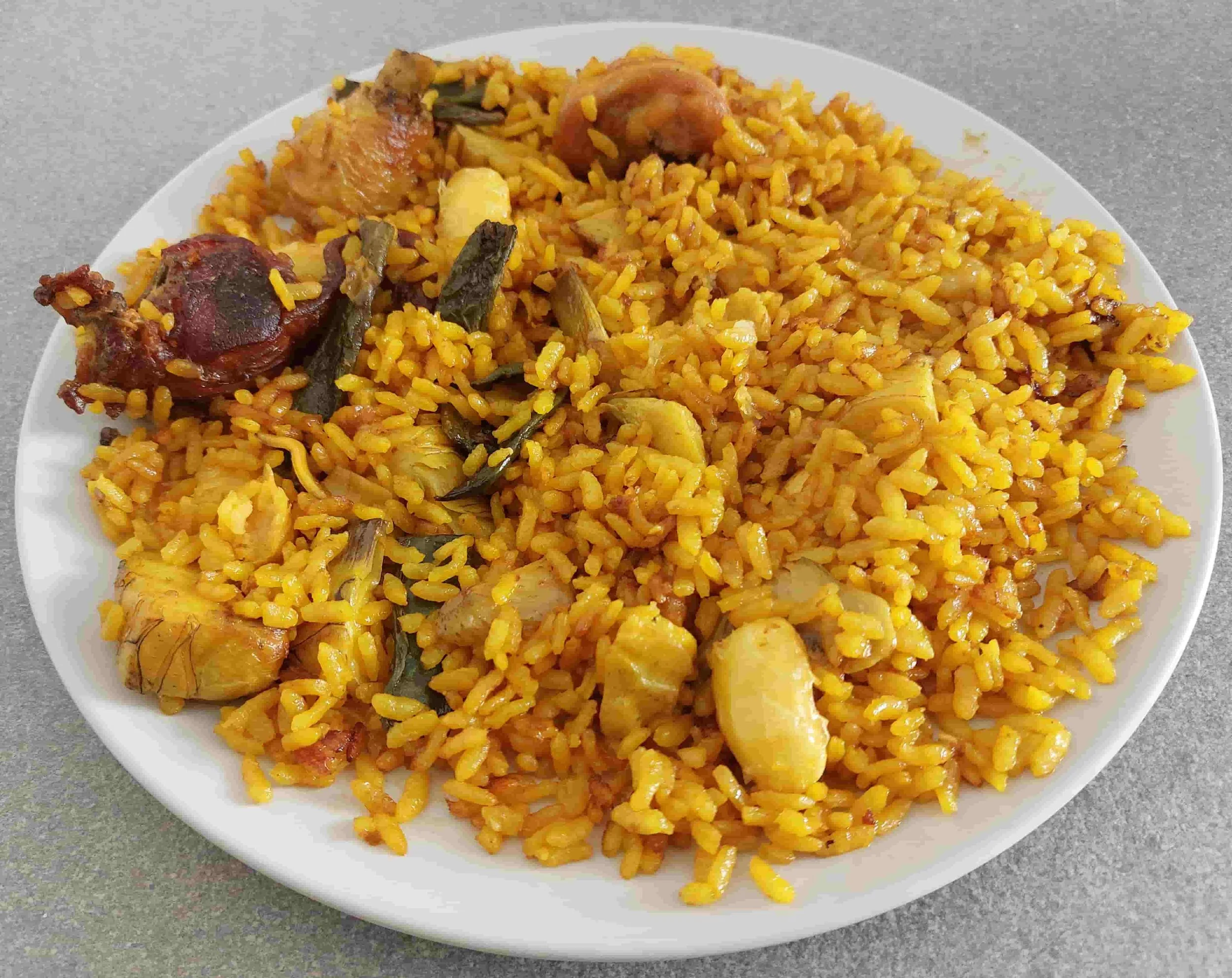
paella
Spain
What is it?
Paella is a classic Spanish dish of saffron flavoured rice originating from Valencia, traditionally cooked in a wide, shallow pan over an open flame. While it’s arguably Spain’s most famous food, it’s usually served for a minimum of two people, making it a shared meal rather than a single serving. Many modern versions are available these days beyond the traditional types, ranging from creative seafood or meat combinations to entirely plant based versions. A key feature of traditional paella is the socarrat, a lightly caramelised, crispy layer of rice that forms on the bottom of the pan.
What is in it?
The original, classic version, Paella Valenciana, includes rice, chicken, rabbit, green beans, white beans, tomatoes, saffron, olive oil, and sometimes snails. Other popular versions include:
Seafood paella: prawns, mussels, clams, squid, and fish.
Mixed paella: combining meat and seafood.
Vegetable paella: a vegan-friendly option featuring seasonal vegetables and beans.
Where can I eat it?
Paella is widely available in restaurants across Spain, particularly in Valencia, its birthplace.
Vegan versions available; dairy and gluten free.
nasi kuning
Indonesia
What is it?
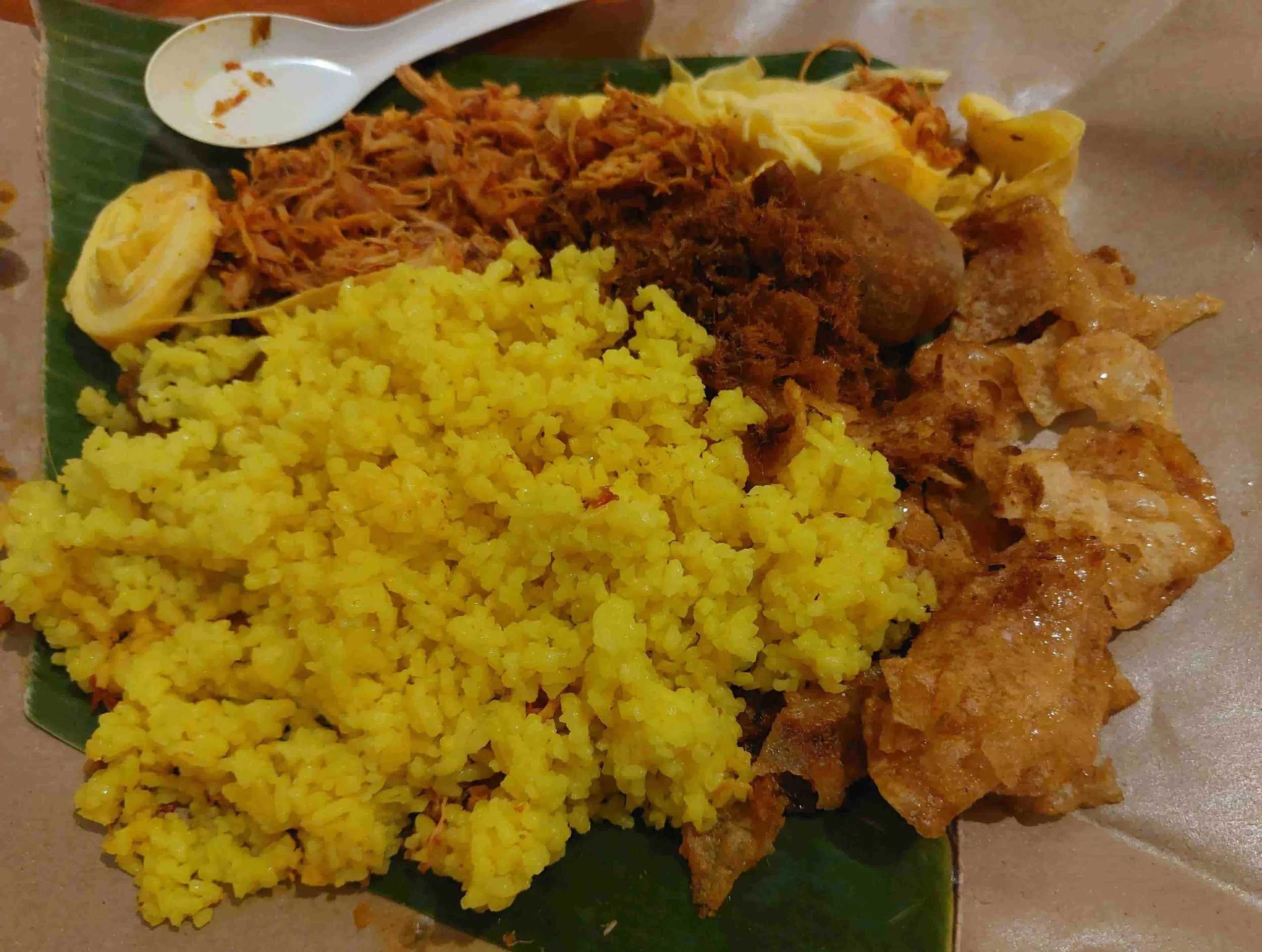
Nasi Kuning is rice cooked with coconut milk and turmeric, giving it its distinctive yellow colour (kuning means yellow) and soft, delicious texture. It’s typically served with various side dishes and is a popular breakfast choice. A cone shaped version, called tumpeng, is often served at celebrations.
What is in it?
The rice is cooked with coconut milk, turmeric, and lemongrass, with additional ingredients like pandan or kaffir leaves sometimes added. Common sides include shredded omelette, chicken (whole or shredded), fried tempe, serundeng (spiced grated coconut), crackers, meat floss, and many other options.
Where can I drink it?
Popular throughout Indonesia, Nasi Kuning is often sold for breakfast with different sides depending on the region. We had a really good one, popular with locals, at Nasi Kuning Muna Cung in Yogyakarta, but its only open until midday.
Ingredients listed reflect common or typical components of this dish as served in restaurants or street‑food vendors. Variations by region, season, or vendor are common. This information is provided for general reference only. If you have dietary restrictions or allergies, please verify ingredient details independently. We assume no liability for accuracy or outcomes.
