all the foods - Malaysia
Here you will find a list of all the traditional cuisine we tried in Malaysia.
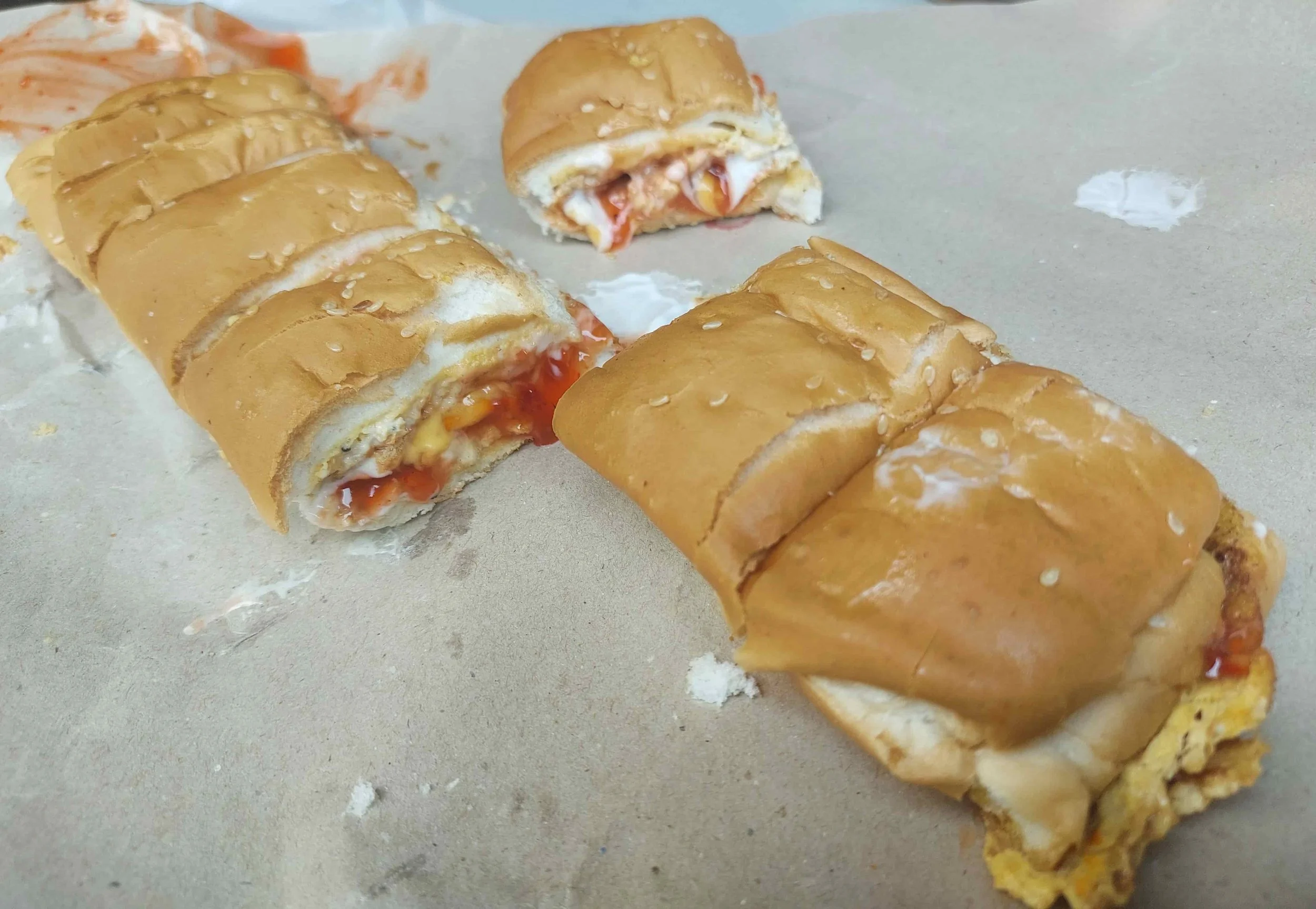
roti john
omelette & meat roll
What is it?
Roti John is a popular Malaysian street food sandwich. It consists of a long, soft white bread roll filled with beaten egg mixed with minced meat, which is fried on a griddle until the egg forms a crispy, omelette-like layer coating the bread. It is typically finished with salad and sauces, then sliced before serving.
What is in it?
Roti John is usually made with bread, egg, minced meat (most commonly chicken or beef), onions, and sometimes garlic. After cooking, it is topped with chilli sauce, mayonnaise, and fresh salad such as lettuce and tomato. Some modern versions also include cheese, though this is optional.
Where can I eat it?
Roti John is widely available across Malaysia and is especially popular as a late night street food. It is commonly sold at roadside stalls and food trucks, often alongside Ramly burgers, and is considered a classic, affordable fast food.
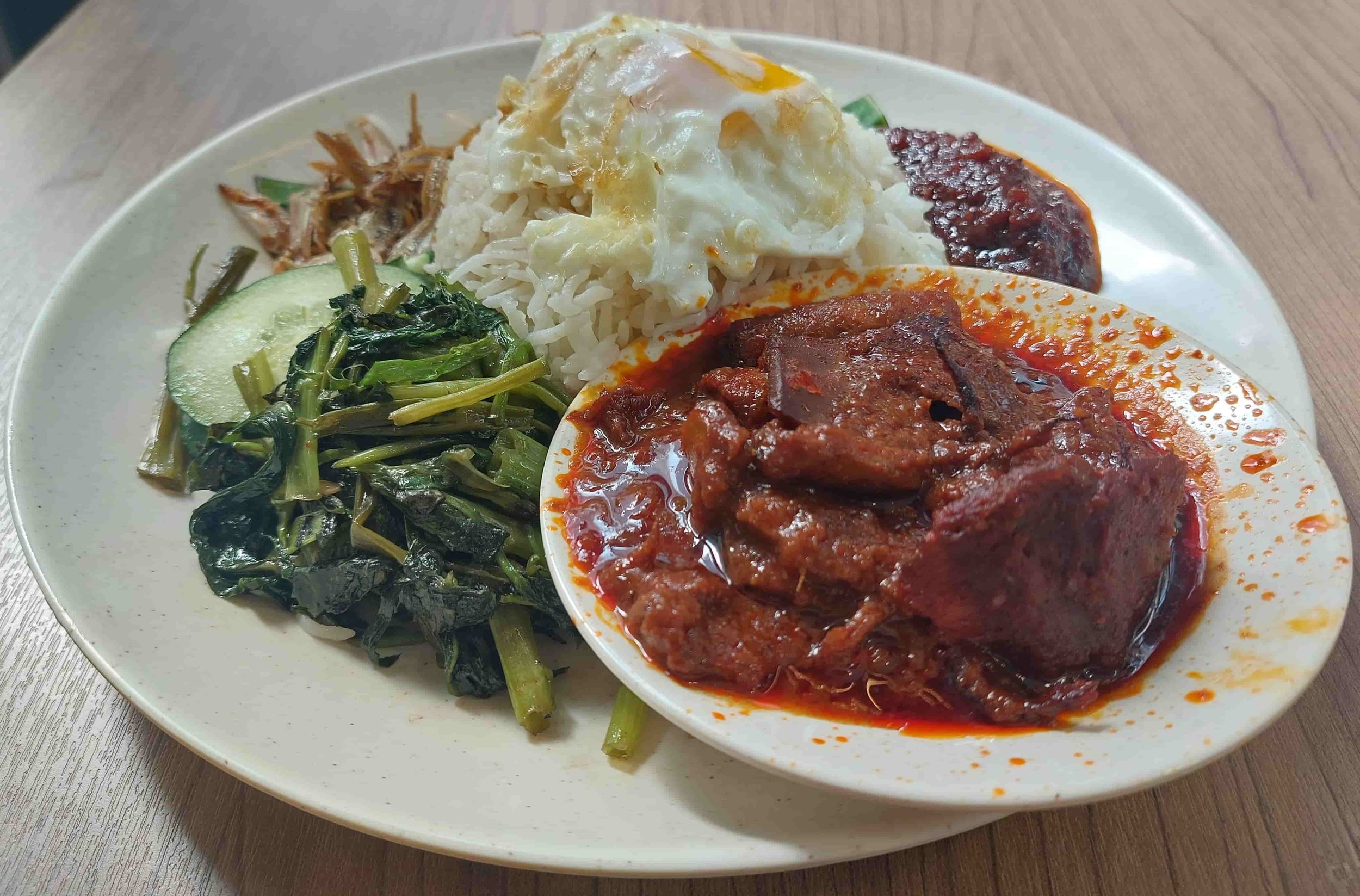
sambal sotong
spicy squid
What is it?
Sambal sotong is a dish of squid cooked in a spicy sambal sauce, and it is also popular in Singapore.
What is in it?
The squid is cooked in a sambal made from chilli, garlic, shallots, and sometimes tamarind. It is often served with rice, vegetables, and a fried egg.
Where can I eat it?
Its fairly common throughout the country especially on the coast or in seafood restaurants, its less common inland or at places like the Cameron highlands.
Usually gluten & dairy free.
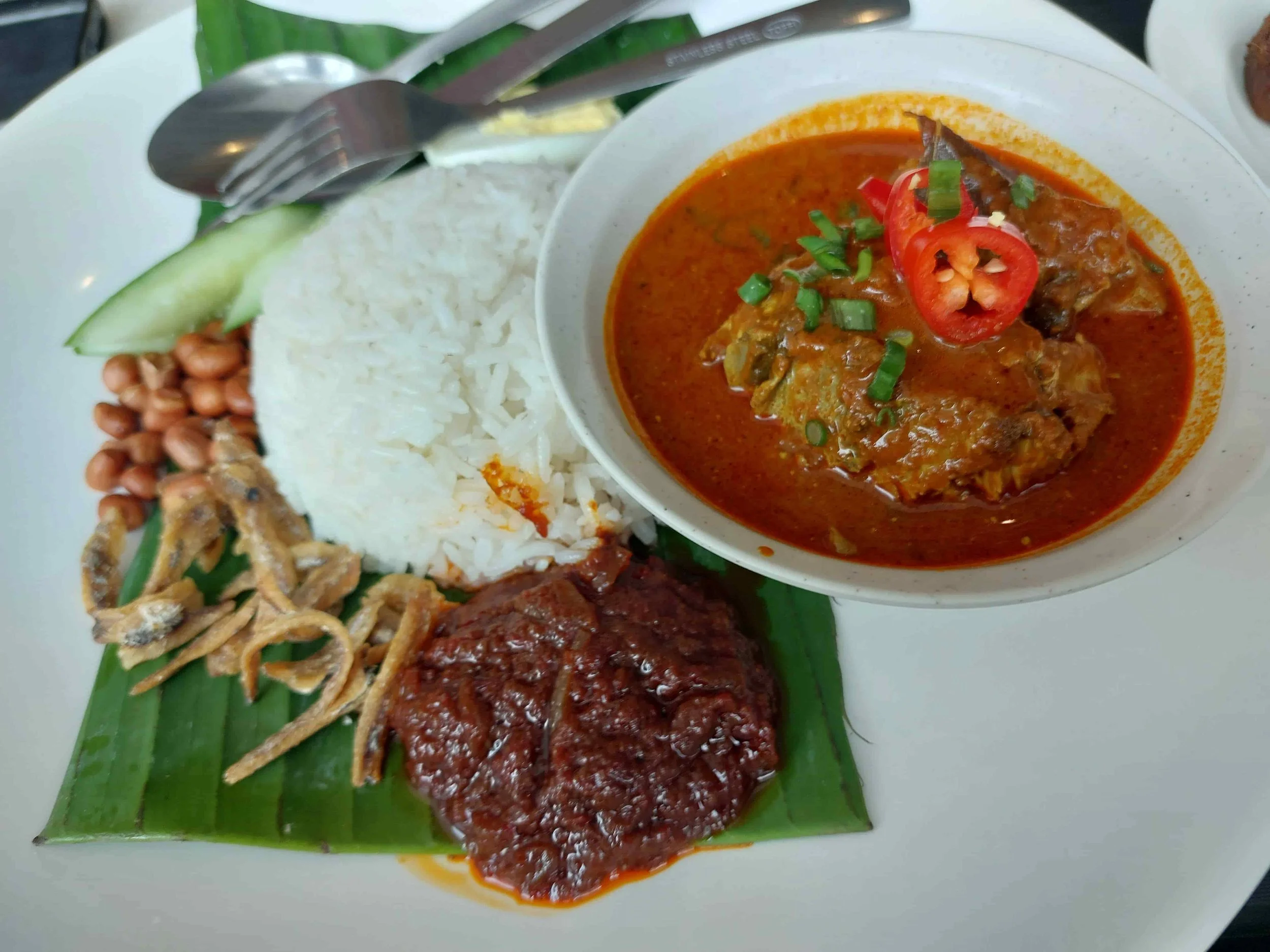
kari ayam
chicken curry
What is it?
The Malaysian version of chicken curry, Kari Ayam sits somewhere between an Indian curry, using similar spices, and a Thai curry, thanks to the use of coconut milk. It is usually served bone in with rice and sometimes other side dishes
What is in it?
Chicken, usually bone in, potatoes, curry powder, curry leaves, chilli powder, ginger, garlic, shallots, lemongrass, turmeric and coconut milk. It is typically served with boiled rice.
Where can I eat it?
It is available throughout Malaysia in a range of regional variations, and is commonly sold in restaurants, hawker stalls and cooked in Malaysian homes.
Dairy free.
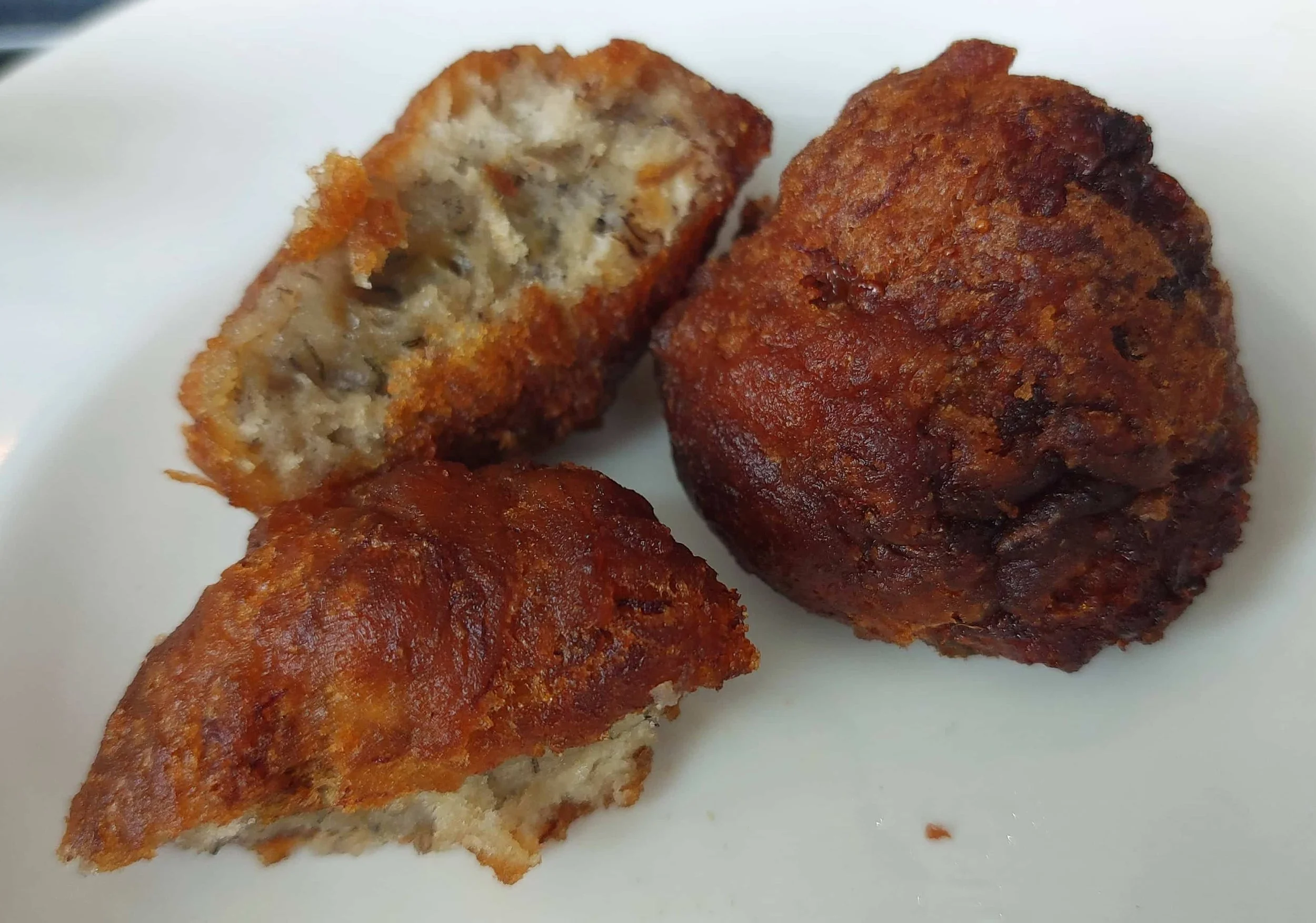
cekodok pisang
banana fritter
What is it?
A deep fried sweet banana fritter, cekodok pisang is a popular snack in Malaysia, often served with tea.
What is in it?
Ripe bananas mashed into a batter with flour, then deep fried in oil. Some versions also include shredded coconut, sesame seeds or cinnamon.
Where can I eat it?
It is available across Malaysia as street food, and you can also find it in restaurants and cafes, so it should be easy to come across.
Vegetarian & dairy free.
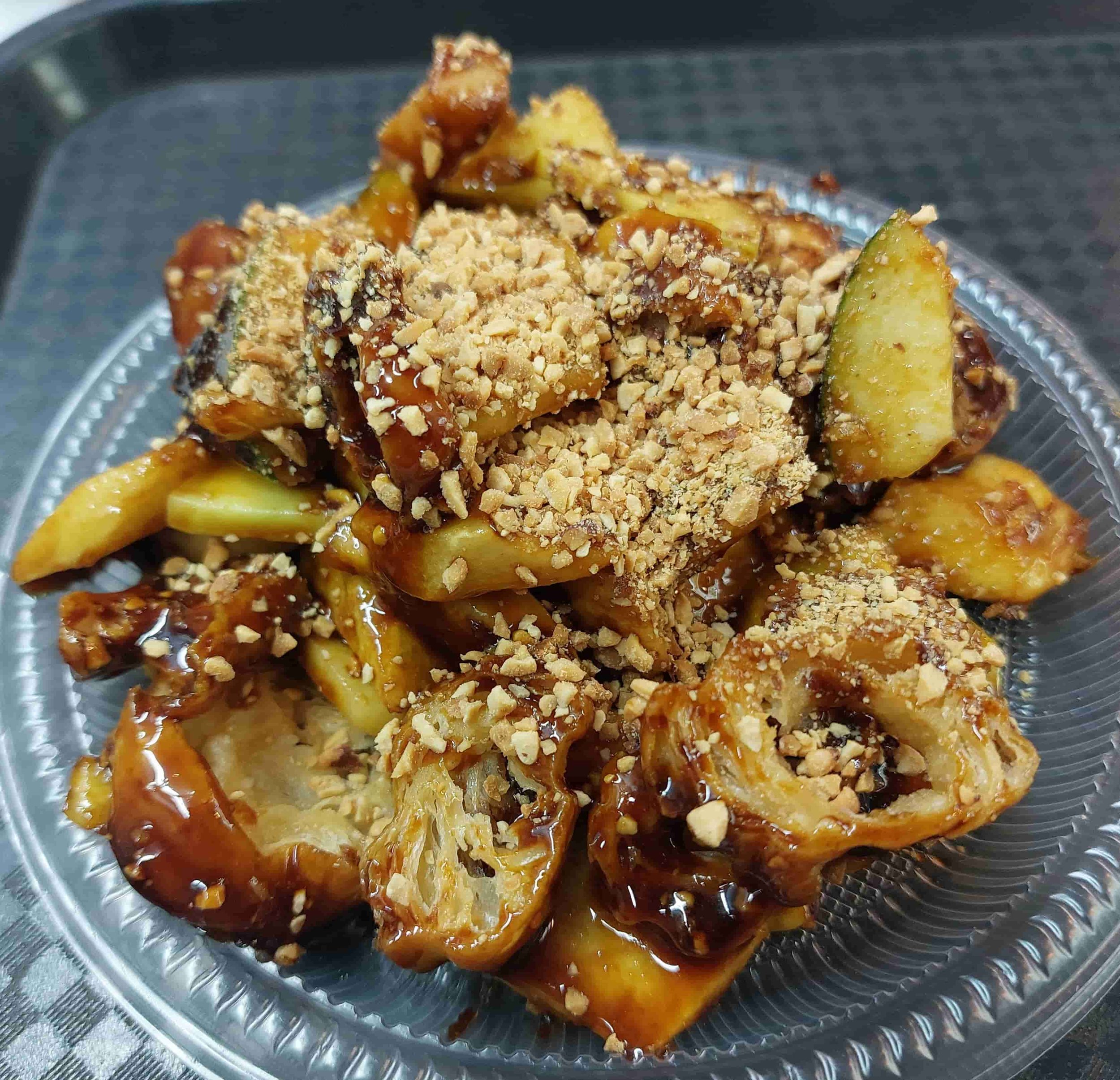
rojak
sweet sauce fruit & veg
What is it?
Rojak means “mixture” in Malay, which reflects the dish, a mix of fruits and vegetables in a sweet, tangy sauce. It is a popular street food in Malaysia, Singapore and Indonesia
What is in it?
It can include a variety of fruits and vegetables, typically mango, apple, pineapple, guava and cucumber. It often includes youtiao (dough fritters) for extra crunch. The sauce is usually made with palm sugar, shrimp paste, chillies, tamarind and peanuts.
Where can I eat it?
It is common throughout Malaysia and is also found in Singapore and Indonesia, with variations in ingredients from place to place. It is sold as street food and also served in restaurants.
Dairy free.
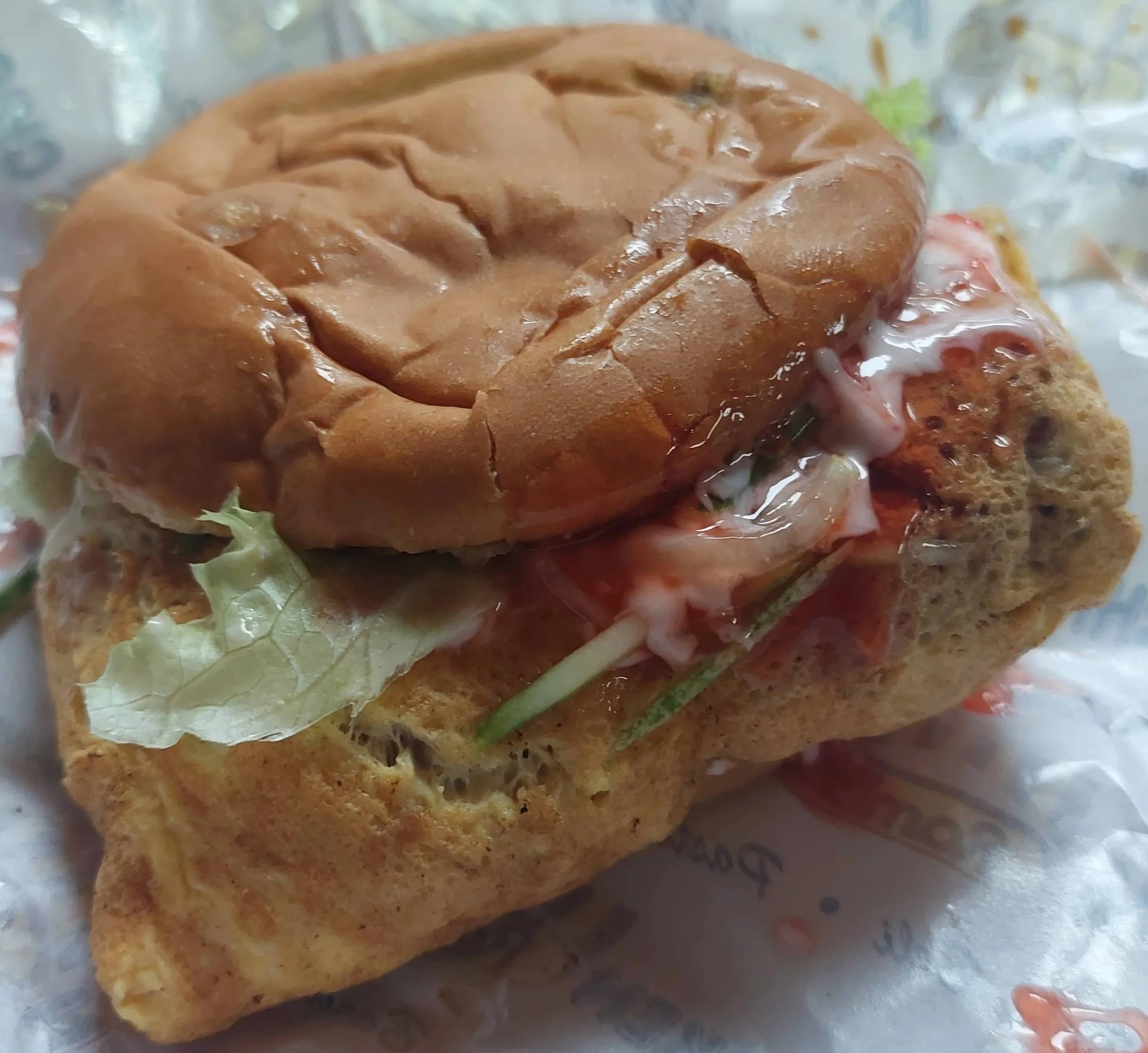
ramly burger
Malaysian burger
What is it?
A popular Malaysian street burger, usually made with a beef or chicken patty wrapped in a thin omelette and covered in sauce. It is famously messy and usually eaten hot and fresh.
What is in it?
A beef or chicken patty wrapped in an omelette, with mayonnaise, chilli sauce and often other condiments such as black pepper sauce or Worcestershire sauce. Common additions include lettuce, cabbage, cucumber and sometimes tomato.
Where can I eat it?
It is popular throughout Malaysia and is commonly sold at pasar malam, roadside burger stalls, food courts and sometimes mamak eateries. It is often found alongside other Malaysian street foods such as roti john.
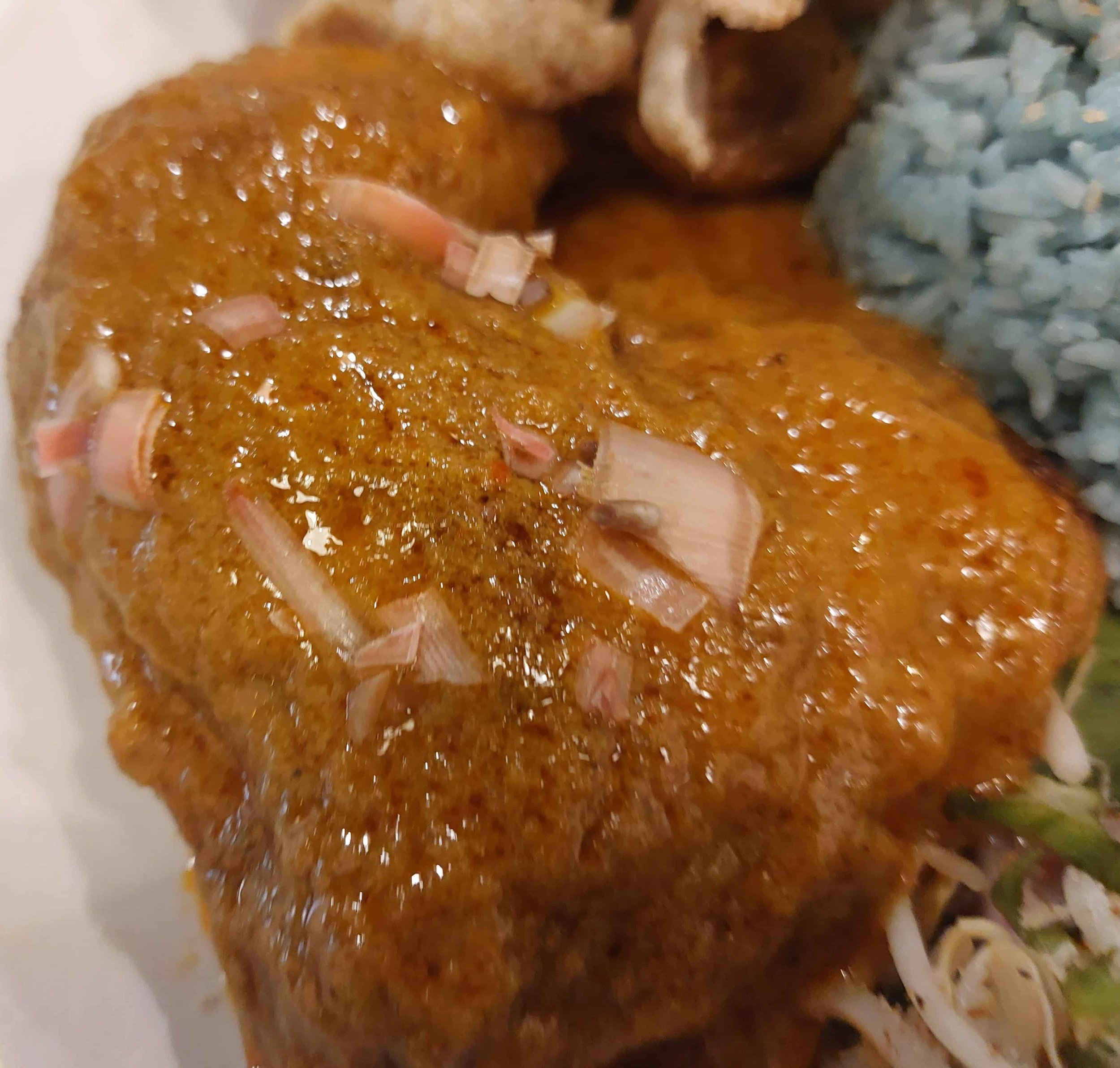
ayam percik
coconut milk chicken
What is it?
Grilled bone in chicken marinated in a spiced coconut milk sauce. It is smoky, a little sweet and spicy, and is often served with rice and other sides. “Percik” means splashing and refers to the sauce being repeatedly basted over the chicken while it grills.
What is in it?
Bone in chicken marinated with coconut milk, garlic, turmeric, ginger, cumin, lemongrass and chilli. Some versions also include tamarind, coriander and palm sugar.
Where can I eat it?
It is fairly common throughout Malaysia and should not be too difficult to find. It is especially popular in Kelantan and Terengganu in the northeast.
Dairy free.
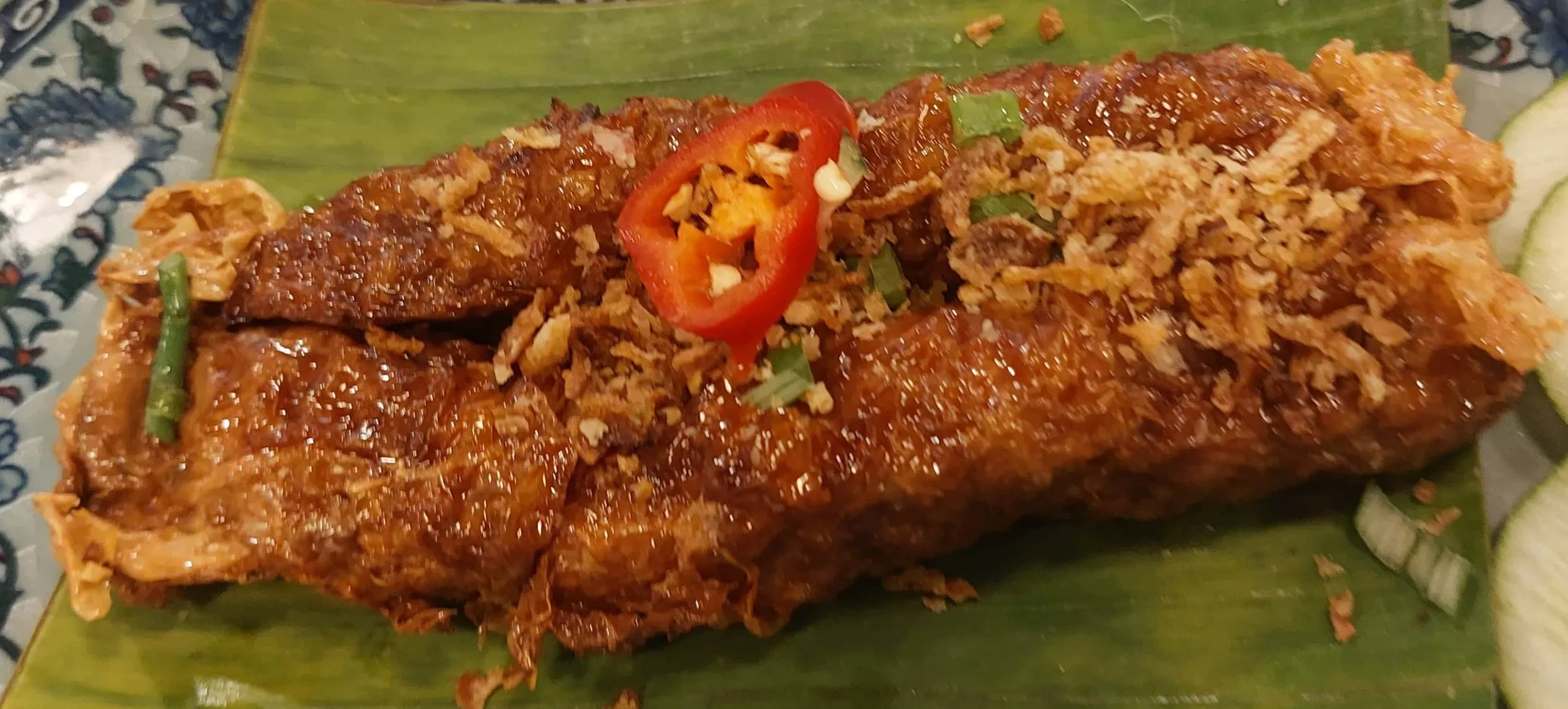
loh bak
grilled minced meat
What is it?
Loh Bak (Lor Bak) is a Chinese Malaysian dish most closely associated with Penang. It consists of seasoned minced pork flavoured with five spice, wrapped in tofu skin and deep fried until crispy. It’s sometimes compared to a sausage, but the texture is lighter and the flavour more aromatic.
What is in it?
The filling typically includes minced pork mixed with five spice, and often small amounts of prawn or water chestnut for texture. This mixture is wrapped in tofu skin (bean curd skin) and deep fried.
It’s usually served sliced, alongside sweet chilli sauce, chilli paste, or a thick five spice gravy for dipping.
Where can I eat it?
Loh Bak is most famously found at hawker stalls in Penang, especially around George Town, where it’s considered a local speciality. It’s also available in Chinese-Malaysian restaurants and food courts in larger cities such as Kuala Lumpur, though Penang remains the best place to try it.
Vegetarian versions exist but are uncommon.
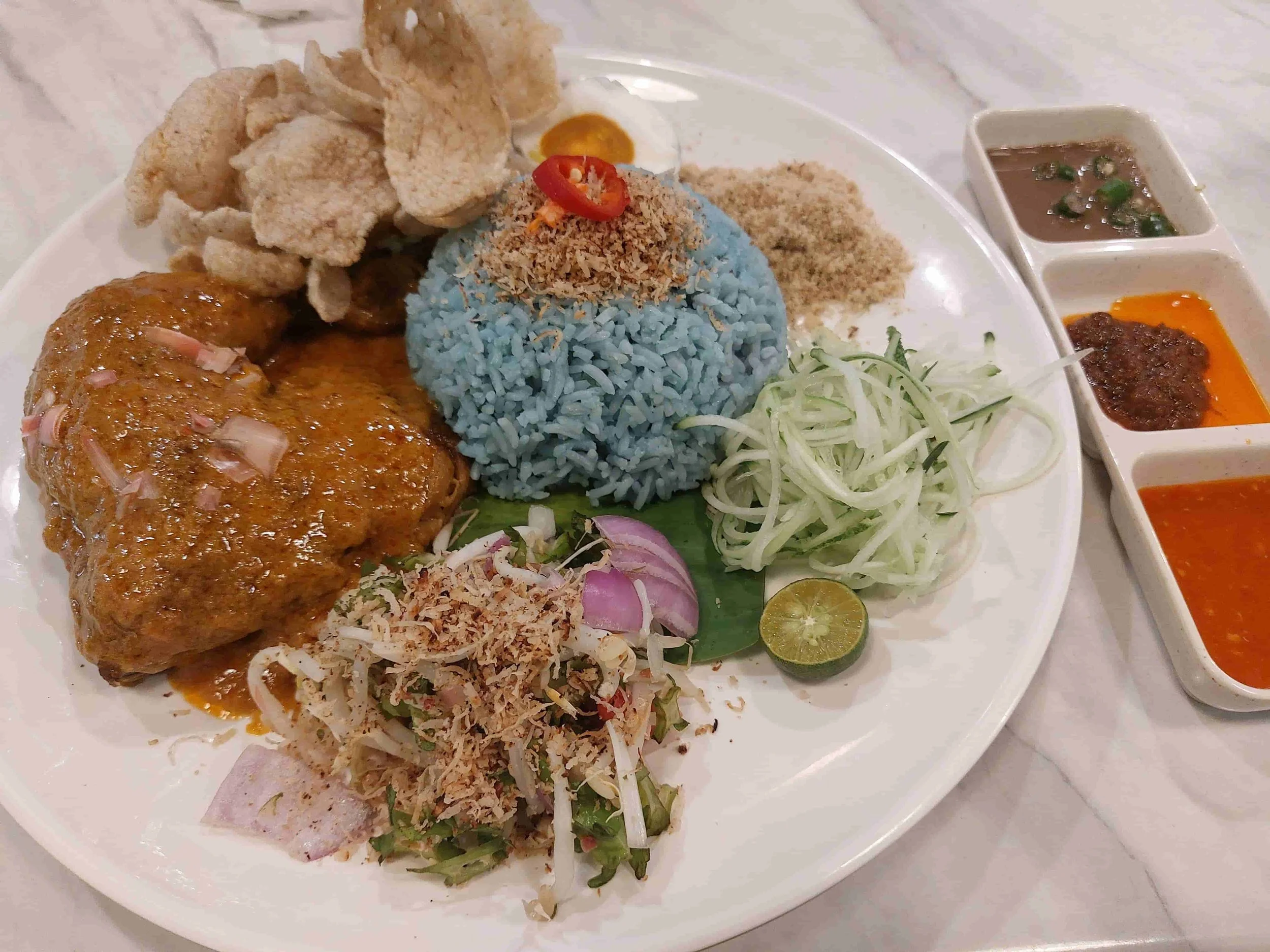
nasi kerabu
blue rice & sides
What is it?
A dish of blue coloured rice served with various sides. The rice gets its blue colour from the butterfly pea flower, which is used as a natural food colouring.
What is in it?
Rice dyed with butterfly pea flower, served with sides such as chicken, fish, keropok crackers, vegetables, boiled eggs, meat floss and sambal. Some versions also include herbs and other accompaniments such as budu or coconut-based condiments.
Where can I eat it?
It originally comes from Kelantan and is very popular there and in neighbouring Terengganu. It has spread throughout Malaysia and is available in larger cities, though it is not as widespread as dishes like nasi lemak.
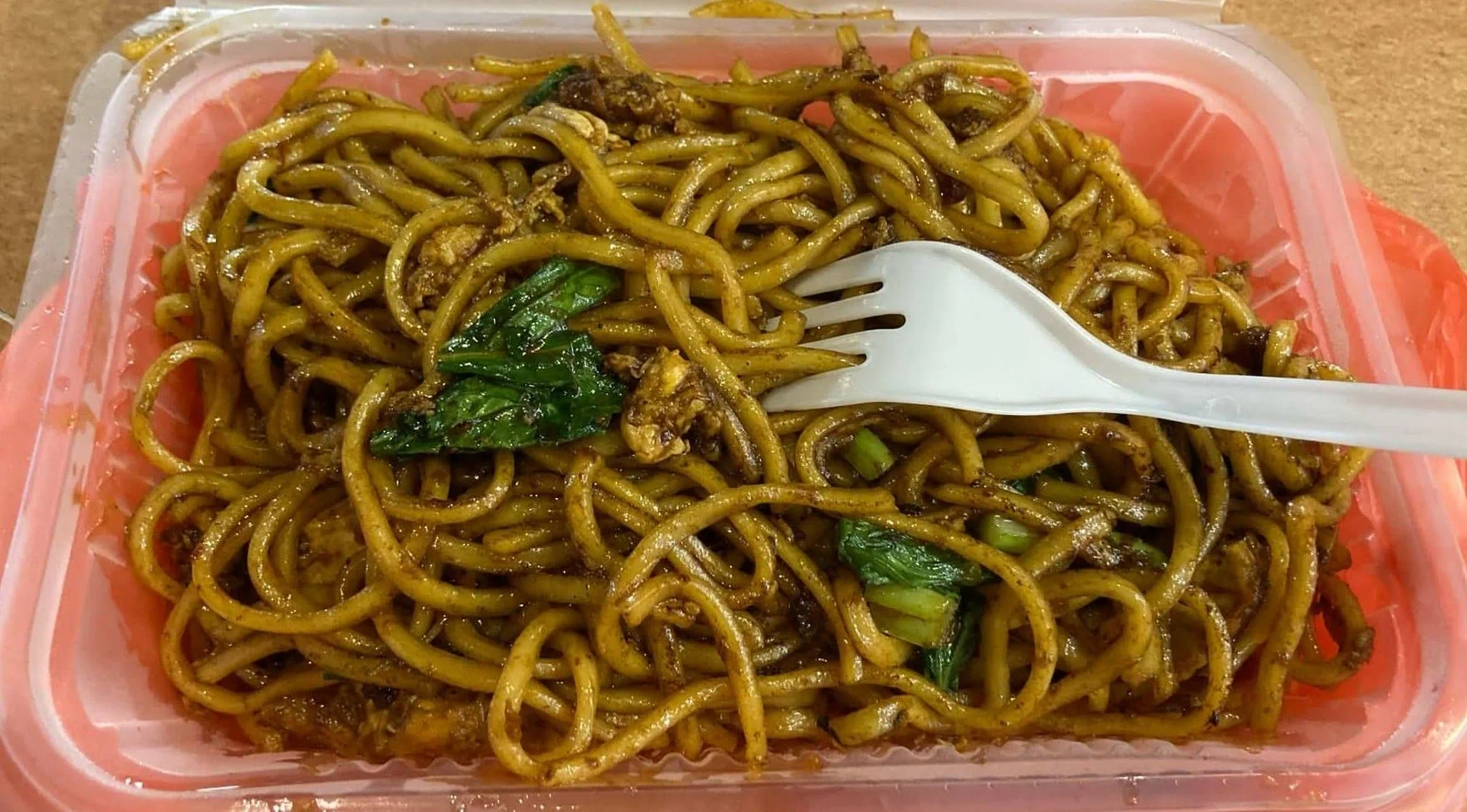
mee goreng mamak
mamak style noodles
What is it?
Mee goreng mamak is a popular Malaysian street food originating from the Indian Muslim, or Mamak, community. The name means “fried noodles in the Mamak style” and reflects its blend of Indian Muslim and Malaysian influences.
What is in it?
It is typically made with yellow egg noodles stir-fried with ingredients such as chicken, prawns, beef, tofu or potatoes. Common additions include bean sprouts, spring onions and carrots, along with kecap manis, soy sauce, tomato ketchup or sauce, sambal and sometimes curry powder.
Where can I eat it?
Mee goreng mamak is widely available throughout Malaysia, especially at Mamak stalls and other casual eateries run by the Indian Muslim community. These stalls are often open late, and sometimes 24 hours, and serve a wide range of dishes.
Vegan versions available.
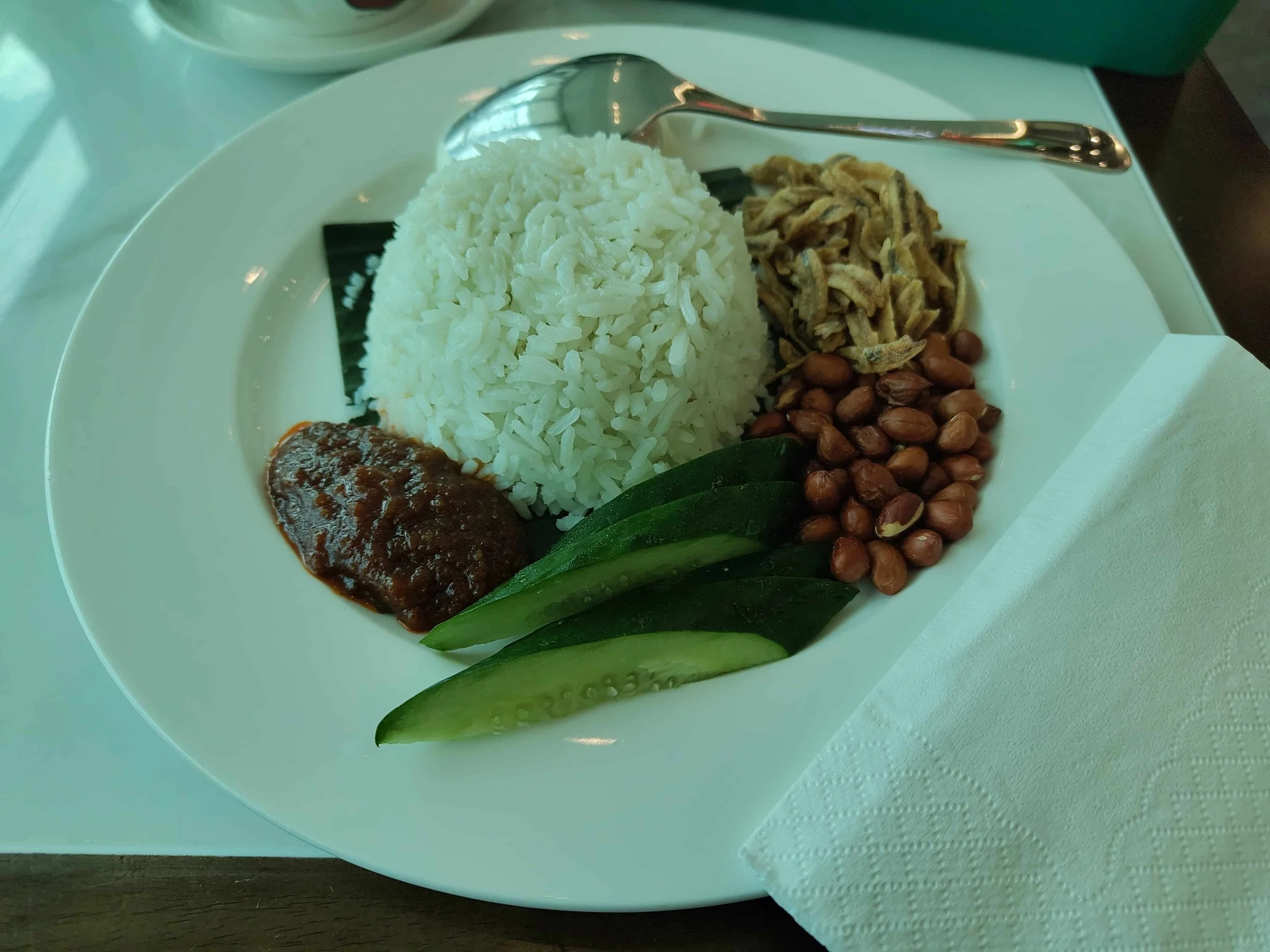
nasi lemak
coconut rice & sides
What is it?
Often hailed as Malaysia’s national dish, nasi lemak is especially popular at breakfast. The name means “rich rice,” referring to the fragrant rice cooked in coconut milk and pandan leaves. It is typically served with spicy sambal, a hard boiled egg, toasted peanuts, crisp cucumber slices and fried anchovies.
What is in it?
Coconut rice infused with pandan.
Spicy sambal (chilli paste).
Egg, usually hard-boiled, though sometimes fried.
Toasted peanuts.
Fried anchovies (ikan bilis).
Fresh cucumber slices.
Many vendors and restaurants also offer extras such as fried chicken, sambal squid or beef rendang.
Where can I eat it?
Everywhere in Malaysia. From street stalls and roadside warungs to hotel buffets and upscale restaurants, nasi lemak is found at every level of dining. It is one of the country’s most loved and widely available dishes.
Vegetarian versions available, dairy free.
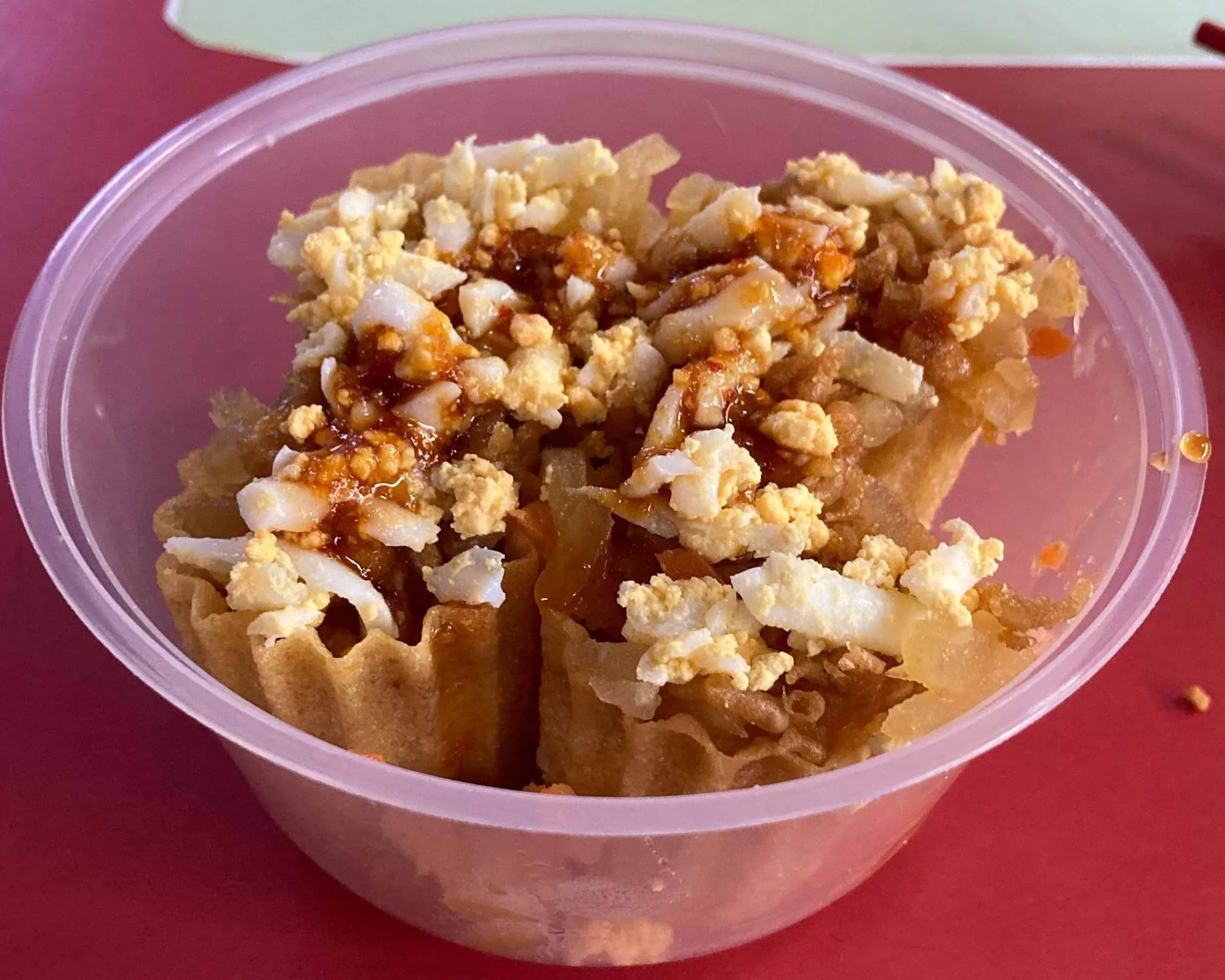
kueh pie tee
savoury pastry shells
What is it?
Kueh Pie Tee, also spelled Kuih Pai Tee or Kuih Pie Tee, are bite sized crispy pastry shells filled with a savoury mixture of vegetables and sometimes seafood or meat. They are a popular appetiser in Nyonya, or Peranakan, cuisine.
What is in it?
The pastry shell is made from a light batter of plain flour, rice flour, cornflour and egg, then deep fried in a special mould to create the classic cup shape and crispy texture. The traditional filling consists of finely shredded jicama, carrot, garlic, soy sauce and white pepper, with some versions also including prawns, crab, mushrooms or tofu. The filled shells are often topped with chilli sauce and may be garnished with fried shallots or fresh coriander.
Where can I eat it?
Kueh Pie Tee is commonly found in Nyonya restaurants and eateries across Malaysia, particularly in cities such as Kuala Lumpur, Penang and Melaka. It is often served as an appetiser or as part of a Peranakan set meal.
Vegetarian versions available, dairy free.
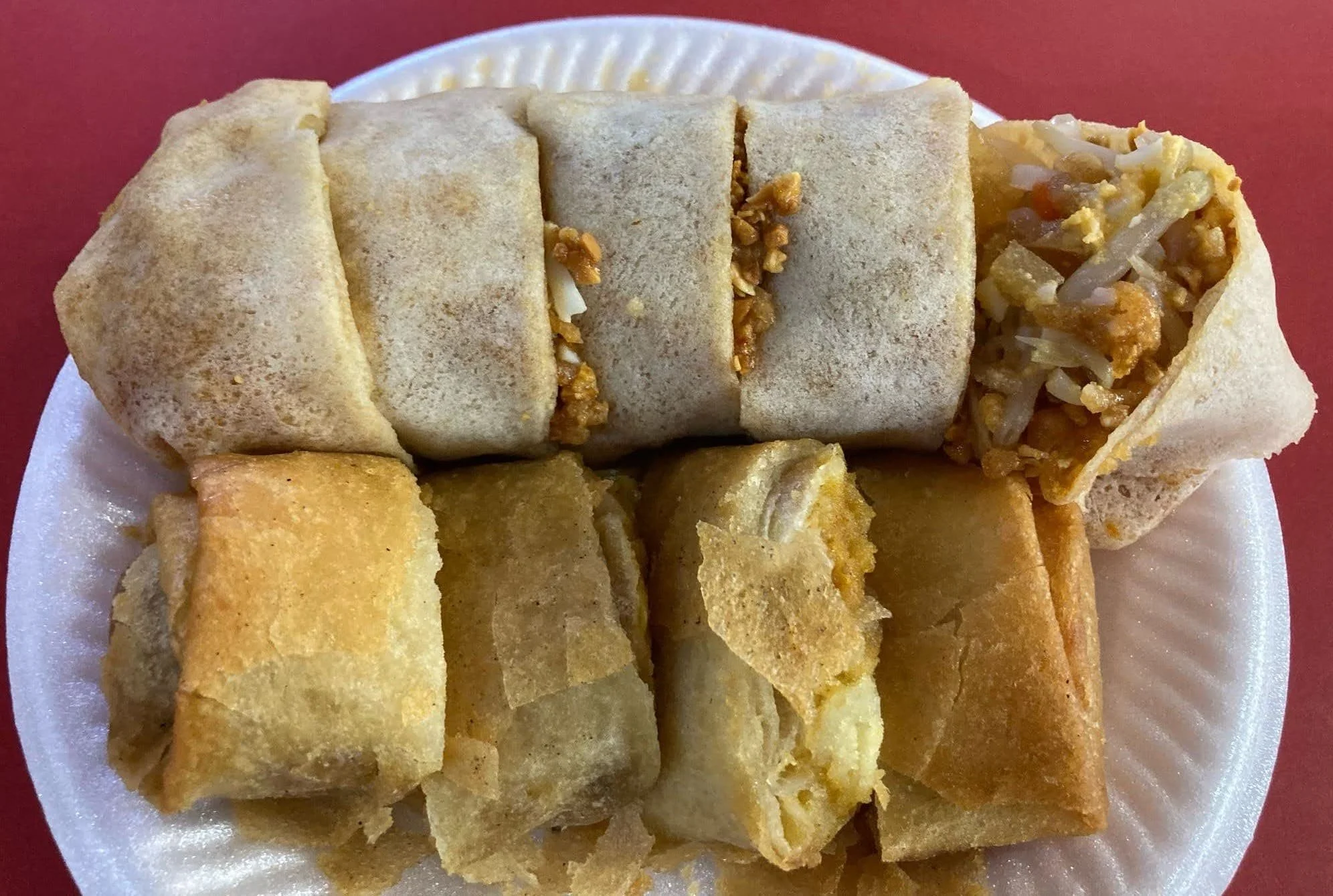
popiah
spring roll
What is it?
Popiah is a traditional Chinese Malaysian spring roll. Its name comes from the Hokkien dialect, meaning “thin pancake,” referring to the delicate wheat flour wrapper. Popiah is enjoyed fresh (unfried) or lightly fried, depending on the region and personal preference.
What is in it?
Popiah consists of a soft, thin wheat flour crepe filled with shredded jicama (a crisp root vegetable), carrots, and bean sprouts, along with optional ingredients such as Chinese sausage, prawns, tofu, or egg. The filling is typically seasoned with garlic, hoisin sauce, and chilli sauce, though exact combinations vary by vendor.
Where can I eat it?
Popiah is widely available throughout Malaysia, particularly in areas with strong Chinese communities such as Penang and Melaka. You can find it at street food stalls, hawker centres, markets, and restaurants.
Vegetarian versions available, dairy free.
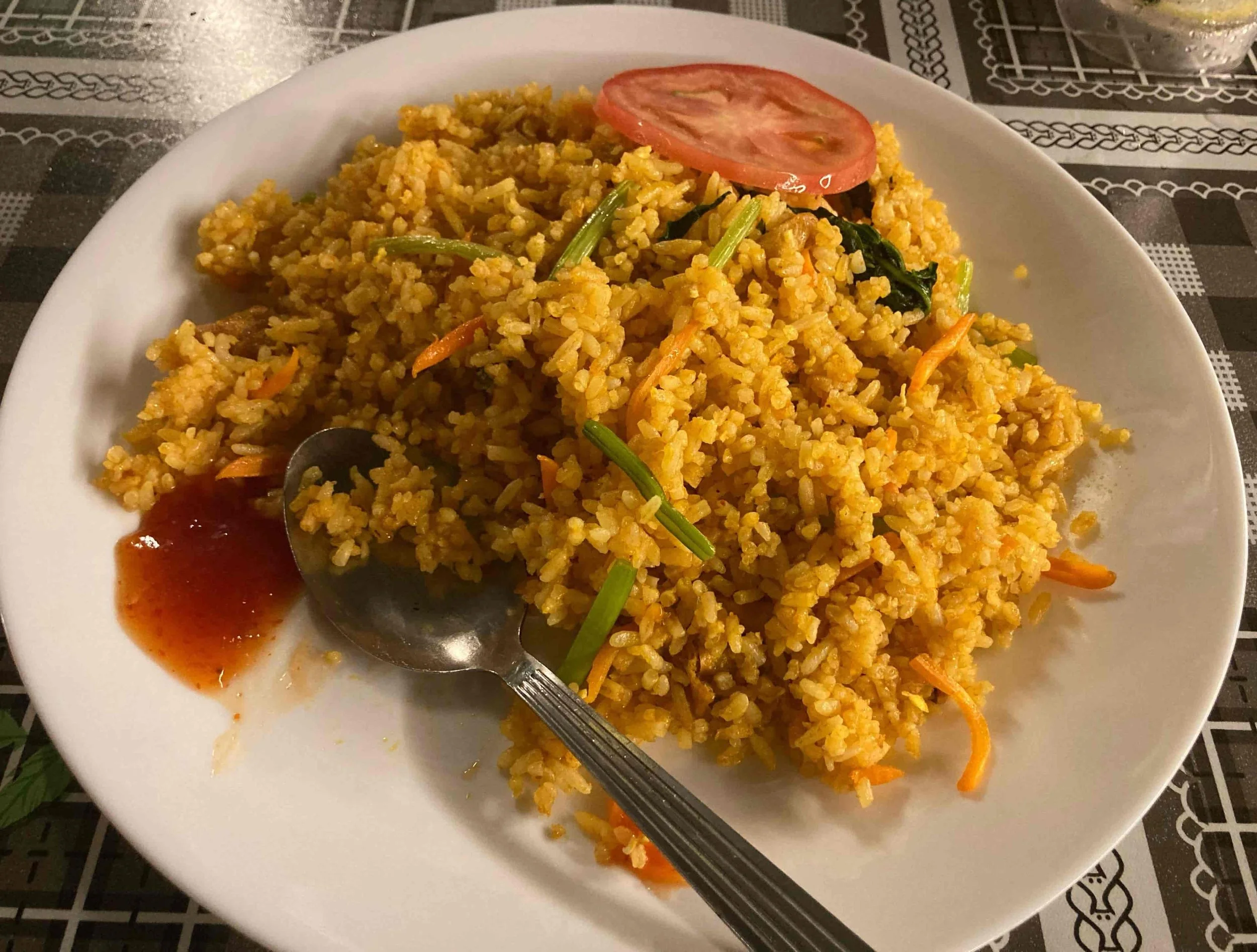
nasi goreng mamak
mamak fried rice
What is it?
Nasi goreng mamak is a spicy fried rice dish associated with Malaysia’s Indian Muslim, or Mamak, community. “Nasi goreng” means fried rice, and “Mamak” refers to the Indian Muslim community in Malaysia.
What is in it?
There is no single fixed recipe, but nasi goreng mamak typically includes rice, egg and sometimes chicken, beef or prawns. It often also contains vegetables such as carrot, spring onion and cabbage, along with sambal, curry powder, soy sauce, oyster sauce and sometimes tomato ketchup. It is often served with a fried egg on top.
Where can I eat it?
Nasi goreng mamak is widely available throughout Malaysia, especially at Mamak stalls and other casual eateries run by the Indian Muslim community. These stalls are often open late or 24 hours and serve a wide range of dishes.
Vegetarian versions available, dairy free.
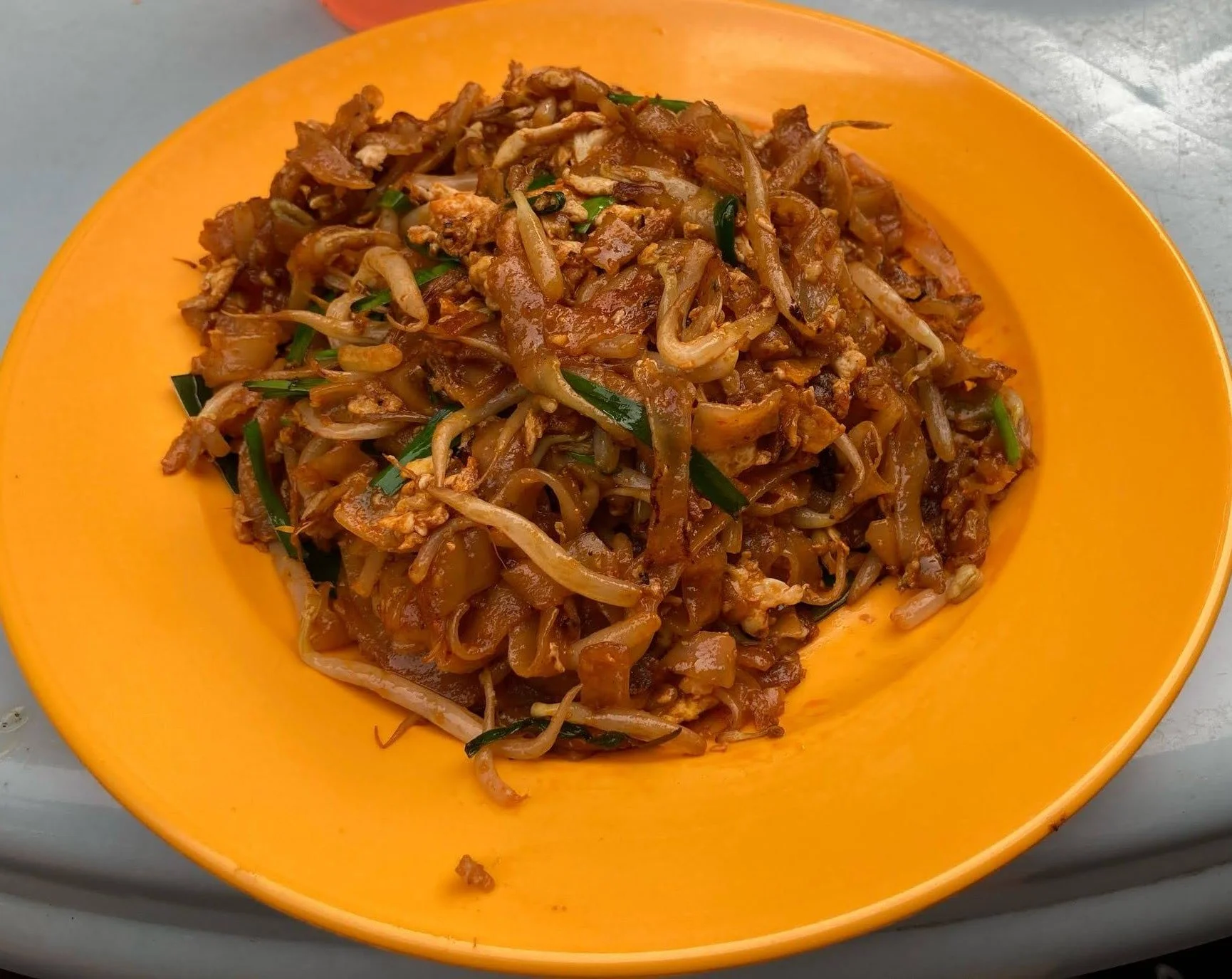
char kway teow
stir fried noodles
What is it?
Char Kway Teow is a popular Chinese Malaysian stir fried noodle dish. The name comes from the Hokkien dialect, where “char” means “stir-fried” and “kway teow” refers to flat rice noodles. It is known for its intense flavours and smoky “wok hei” aroma, achieved by stir-frying over high heat in a well seasoned wok.
What is in it?
Char Kway Teow typically includes fresh flat rice noodles, prawns, sliced Chinese sausage, eggs, bean sprouts, and Chinese chives. It is seasoned with light and dark soy sauce, sambal (chilli paste), and sometimes oyster sauce or sugar. Some regional versions, especially in Penang, also include cockles or fishcake.
Where can I eat it?
Char Kway Teow is widely available across Malaysia, particularly in areas with strong Chinese communities such as Penang and Kuala Lumpur. It can be found at hawker centres, food courts, street food stalls, and Chinese restaurants.
Vegetarian versions available, dairy free.
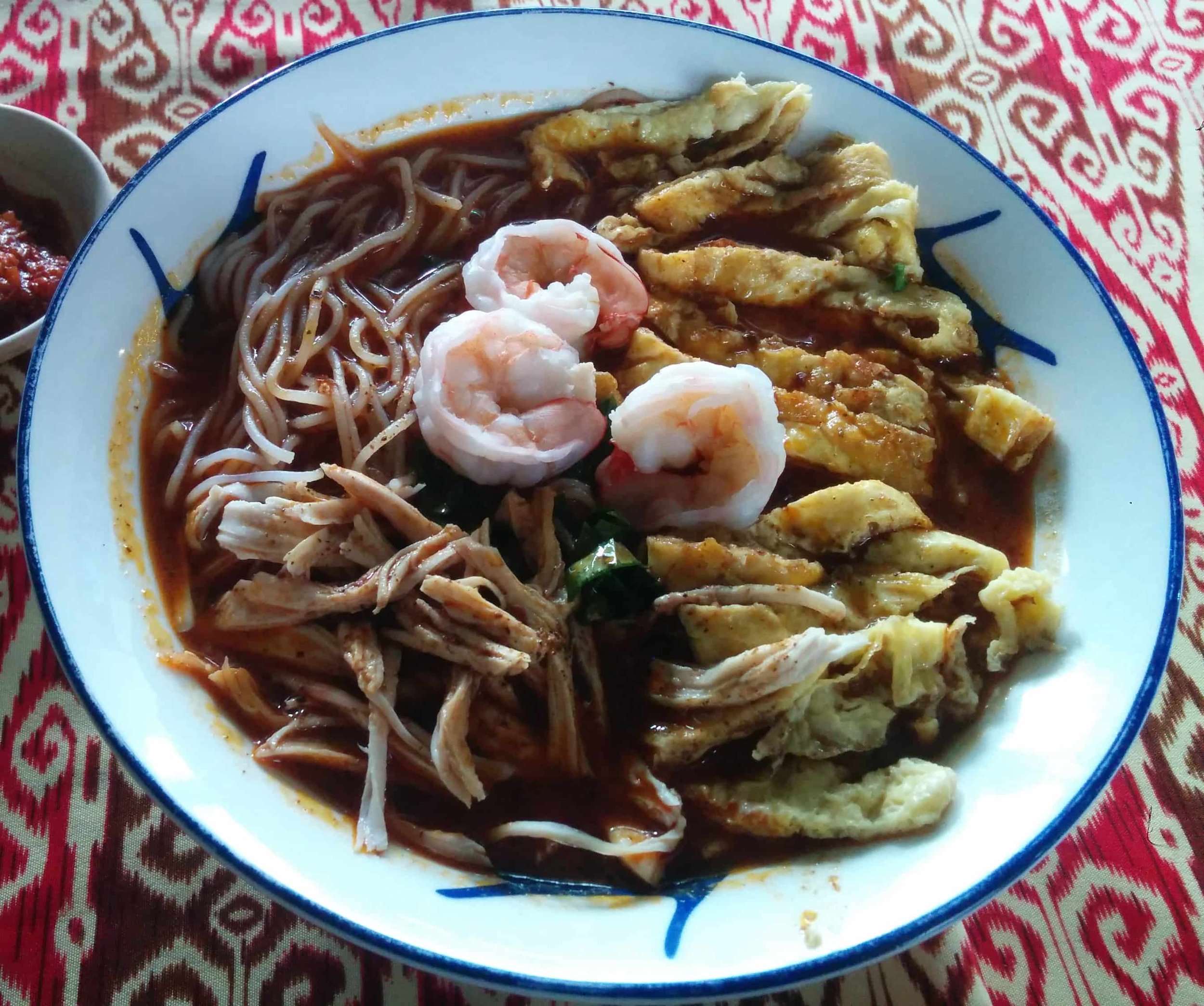
laksa
spicy noodle soup
What is it?
Laksa is a popular noodle soup that holds a special place in Malaysian cuisine. It can be rich, spicy, and tangy or all at once. Laksa is typically served with rice noodles or vermicelli, immersed in a flavourful broth that varies by region.
There are several regional variations of laksa in Malaysia, each with its unique ingredients and preparation methods:
Curry Laksa (Laksa Lemak) A creamy coconut milk based broth infused with curry spices, often featuring prawns, tofu puffs, and egg.
Asam Laksa (Penang Laksa) A tangy and spicy soup made with mackerel, tamarind, and a blend of herbs and spices, garnished with mint, cucumber, and pineapple.
Sarawak Laksa A spicy tangy soup from Sarawak, typically made with prawns, chicken, and spice paste.
Johor Laksa Distinct for its use of spaghetti instead of traditional noodles, served with a spicy fish gravy.
What is in it?
Ingredients vary by style, but may include, rice noodles or vermicelli. prawns, chicken, tofu or fish, coconut milk, tamarind, garlic, lemongrass, chili, mint, cucumber, pineapple, and boiled egg.
Where can I eat it?
aksa is widely available throughout Malaysia, especially in regions known for their unique versions like Penang, famous for its Asam Laksa, particularly in George Town.
Kuala Lumpur: Offers a variety of laksa styles, with numerous eateries serving this dish.
Sarawak: Home to the distinctive Sarawak Laksa (our personal favourite)
Johor: Known for its Johor Laksa, typically served during festive occasions.
Vegan, dairy and gluten free.
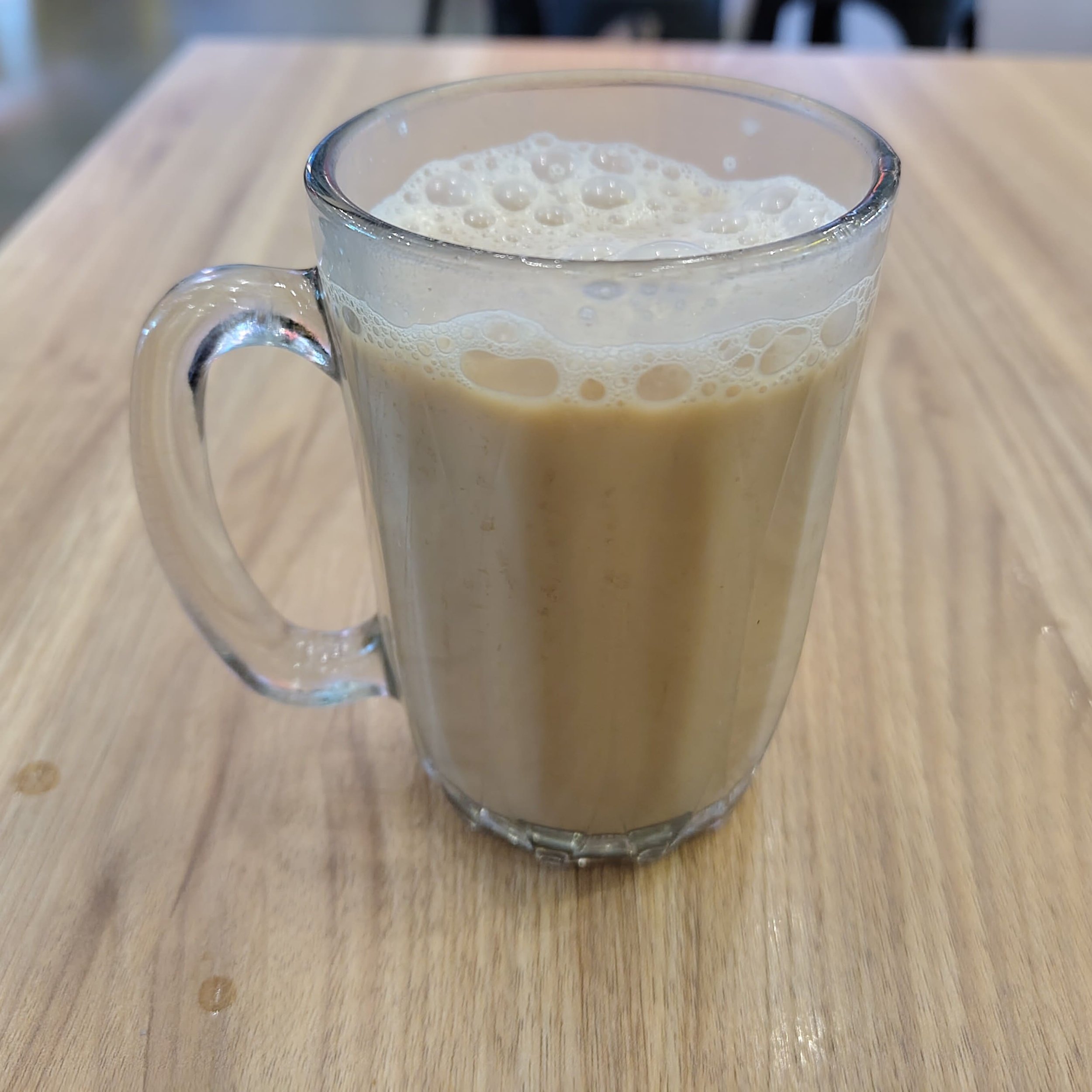
teh tarik
frothy tea
What is it?
Teh tarik is Malaysia’s unofficial national drink. Its name literally translates to “pulled tea,” referring to the theatrical way it is prepared by repeatedly pouring the tea between two cups from a height.
The “pulling” process is not just for show; it cools the tea to a drinkable temperature, thoroughly mixes the tea with the milk, and creates the drink’s smooth, frothy top.
What is in it?
Teh tarik is made by brewing strong black tea, then mixing it with sweetened condensed milk and often evaporated milk.
It can be served:
Hot – the traditional version.
Iced (Teh Tarik Ais) – poured over ice, making it especially refreshing in Malaysia’s tropical climate.
Some cafés also offer less sweet or flavoured versions, but the classic condensed milk recipe remains the most popular.
Where can I drink it?
Teh tarik is available throughout Malaysia. The best places to try it are at Mamak stalls (Indian-Muslim food stalls) or Kopitiams (traditional coffee shops).
Vegetarian & gluten free
Related food guides
While Malaysian cuisine has its own regional specialities, it shares many traditional dishes with neighbouring Indonesia. For a deeper look at some of these shared classics, see our Indonesian food guides.
Ingredients listed reflect common or typical components of this dish as served in restaurants or street‑food vendors. Variations by region, season, or vendor are common. This information is provided for general reference only. If you have dietary restrictions or allergies, please verify ingredient details independently. We assume no liability for accuracy or outcomes.
